Yes, ash is a standard and essential component found in all complete and balanced dog foods. In pet nutrition, ash…
Read More
Yes, ash is a standard and essential component found in all complete and balanced dog foods. In pet nutrition, ash…
Read More
Crude fiber in dog food refers to the estimated maximum percentage of insoluble, indigestible plant materials—such as cellulose, hemicellulose, and…
Read More
Crude fat in dog food is the total amount of fat measured in a product through a standardized laboratory testing…
Read More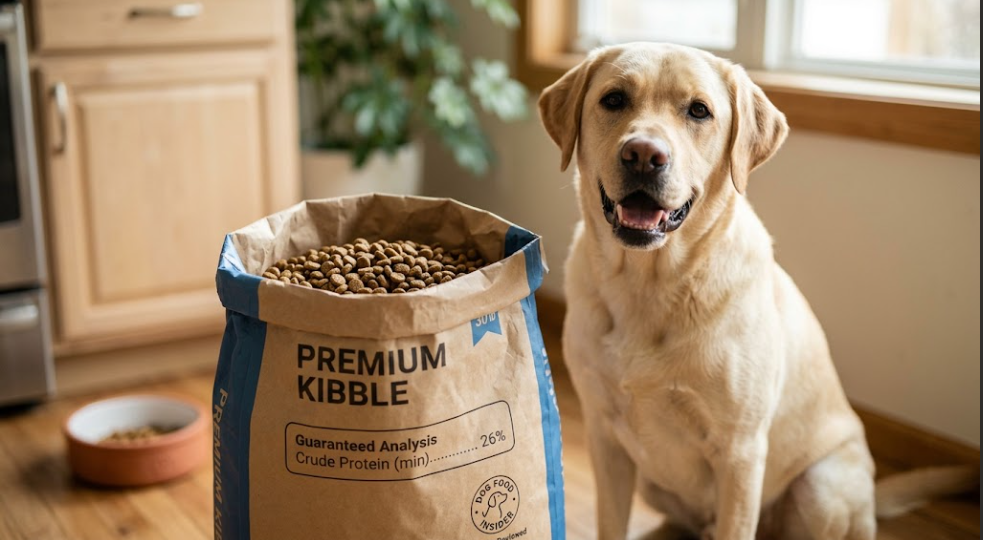
Crude protein in dog food is a laboratory estimate of the total protein content based on the amount of nitrogen…
Read More
When a dog food label says “complete and balanced,” it means the product contains all the essential nutrients your dog…
Read More
The most important step in reading a dog kibble ingredient list is looking at the first three to five items,…
Read More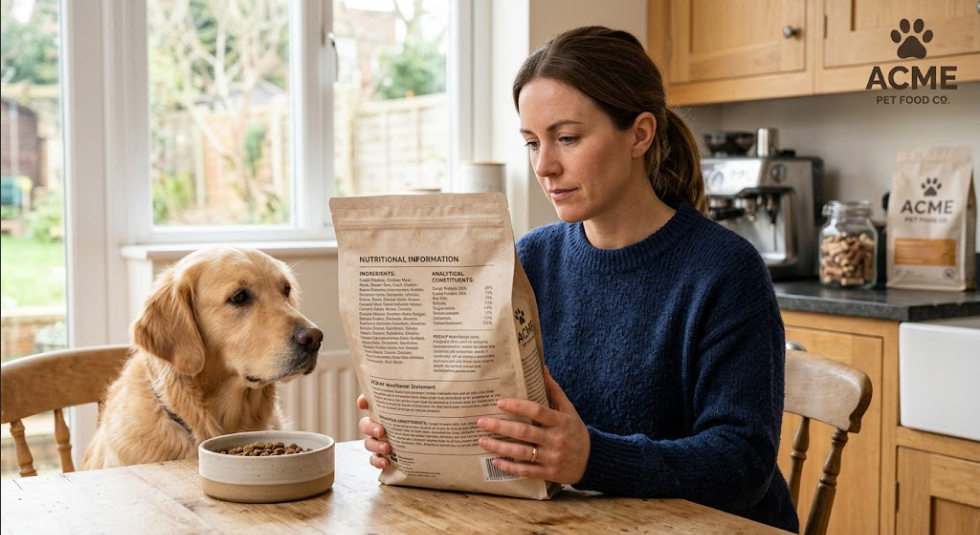
Reading a dog food label starts with decoding the product name rules, inspecting the ingredient list by weight, and verifying…
Read More
High-quality dog kibble features named, high-percentage animal proteins at the top of the ingredient list, uses wholesome, recognizable whole-food carbohydrates,…
Read More
To choose the best dry kibble for your dog, select a formula that lists a named high-quality animal protein (such…
Read More
Yes, dogs can live and thrive on high-quality kibble alone, provided it is explicitly labeled as “complete and balanced” according…
Read More
Yes, dogs can eat dry kibble every day. As long as the food is labeled as “complete and balanced” by…
Read More
Yes, kibble is generally a good, safe, and convenient diet for dogs. If you choose a high-quality product from a…
Read More