






What Is the Best First Dog for a Family?

There is no single “best” breed, as the right choice depends on your family’s size, space, and energy level. However,…
Read More
Are Male or Female Dogs Better for Families?
When prospective pet owners prepare to welcome a new companion into a child-centric household, one of the most common questions…
Read More
Purebred vs. Mixed-Breed Dogs: Which Is Better for Families?
Neither purebred nor mixed-breed dogs are universally “better” for families; the right choice depends on your household’s lifestyle, budget, and…
Read More
What Should Families Look for When Choosing a Dog?
Families should look at lifestyle compatibility, activity levels, home space, temperament with children, and long-term care costs when choosing a…
Read More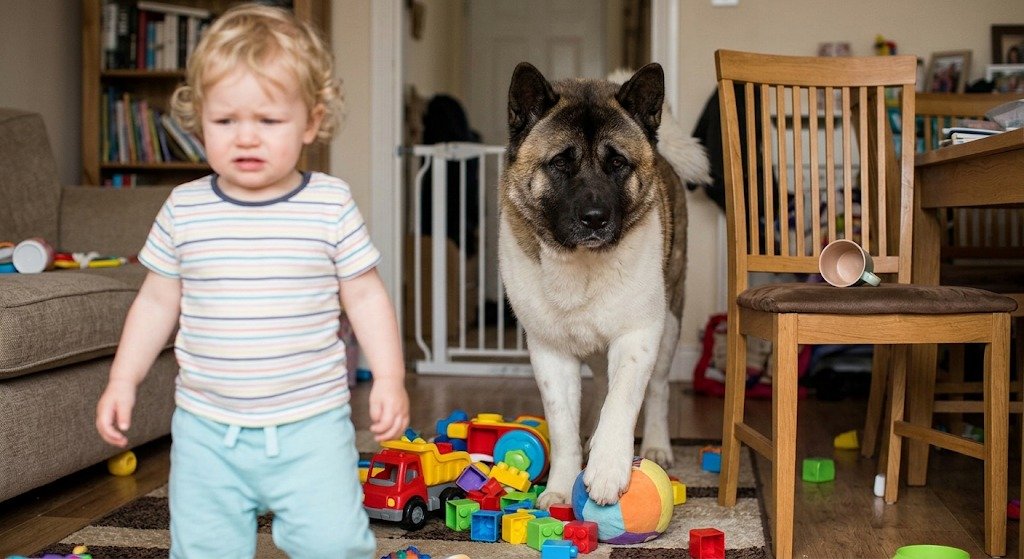
Worst Dog Breeds for Families With Toddlers
Certain dog breeds are a poor fit for households with toddlers due to high energy, herding instincts, protective guard mentalities,…
Read More
How to Tell if a Dog Is Good With Children?
A dog that is good with children actively enjoys their presence and remains relaxed, whereas a dog that merely tolerates…
Read More
What Grains Are Safe for Dogs to Eat?
Many common grains and pseudo-grains are safe, digestible, and nutritious for dogs when cooked plain and served in moderation. While…
Read More
What Is a Good Nutrient Pack for Making Homemade Dog Food?
Good nutrient packs and blends for homemade dog food must match a specific, vet-approved recipe rather than acting as a…
Read More
What Are the Best Dog Breeds for Families?
The best dog breeds for families depend heavily on your home size, children’s ages, activity levels, and daily routine, with…
Read More
How Can I Make Homemade Raw Dog Food?
To make homemade raw dog food safely, follow the 80/10/10 BARF model (80% muscle meat, 10% raw bone, and 10%…
Read More
What Supplements Do Dogs Need on a Raw Diet?
Dogs on a properly balanced raw diet may not need synthetic multivitamins if their meals include whole-food sources of meat,…
Read More
What Ingredients Are Typically Found in a Raw Diet for Dogs?
A raw diet for dogs typically consists of uncooked animal proteins, organs, edible bones, and limited plant or supplement additions.…
Read More