

When exploring Why Are Dutch Shepherds Rare?, Dutch Shepherds are rare primarily due to near-extinction during World War II, the mechanization of agriculture, and strict breeding standards.
When prospective pet parents, working-dog handlers, and European herding enthusiasts search for guidance on Why Are Dutch Shepherds Rare?, evaluating historical developments, agricultural shifts, and breed club regulations reveals why this native Dutch herding breed remains an elusive, highly specialized working animal. At Dog Food Insider, we follow evidence-based canine history and working standards (supported by guidelines from organizations like the American Kennel Club) to help you appreciate rare working breeds, evaluate purebred herding genetics, and understand working shepherd care.
Why Are Dutch Shepherds Rare?: WWII Devastation and Agricultural Mechanization
When evaluating Why Are Dutch Shepherds Rare?, examining the 20th-century history of the Netherlands reveals foundational population shifts that nearly wiped out the breed entirely.
Key Historical Factors in Population Decline:
-
World War II Extinction Risk: During the occupation of the Netherlands in the 1940s, breeding virtually stopped. Many working dogs were taken for military duty or died due to severe wartime food shortages, bringing the breed dangerously close to complete extinction.
-
Mechanization of Agriculture: Traditionally, Dutch Shepherds were multi-purpose farm dogs—herding sheep, driving cattle, pulling milk carts, and guarding homesteads. As tractors and automated farm equipment replaced manual animal labor in the early 20th century, farmers no longer required large packs of working dogs.
-
Specialized KNPV Focus: Post-war recovery efforts focused heavily on breeding specialized working dogs for Dutch police sports (KNPV) rather than mass commercial pet production, keeping worldwide numbers small and tightly controlled.
Why Are Dutch Shepherds Rare?: Strict Breed Standards and Brindle Restrictions
Understanding Why Are Dutch Shepherds Rare? also involves analyzing how early breed club registration rules separated the Dutch Shepherd from its close European cousins like the German Shepherd and Belgian Malinois.
Breed Club Rules and Genetic Separations:
-
Mandatory Brindle Coat Standard (1914): In 1914, the Dutch Shepherd Club (Nederlandse Herdershonden Club) updated its standard to require that Dutch Shepherds must possess gold or silver brindle coat patterns. This was done to distinguish them from yellow German Shepherds and Belgian Malinois, which significantly narrowed the official breeding pool.
-
Overshadowed by Global Working Breeds: While German Shepherds became globally popular household pets and Belgian Malinois became the worldwide military standard, the Dutch Shepherd remained largely localized within the Netherlands and specialized working circles.
-
Coat Variety Rarity: The breed exists in three coat varieties—short-haired, long-haired, and rough-haired (wire-haired). The long-haired and rough-haired varieties remain exceptionally rare even within their native homeland.
Direct Comparison: Global Population and Rarity Across European Working Shepherds
To help you answer Why Are Dutch Shepherds Rare?, review this direct comparative breakdown of global popularity and availability across major European herding breeds:
| European Herding Breed | Global Population & Availability | Primary Breeding Focus | Distinctive Physical Standard |
| Dutch Shepherd | Rare / Specialized (Low numbers worldwide) | KNPV Police Work & Preservation | Strict Gold or Silver Brindle |
| Belgian Malinois | High / Widely Available | Police, Military & Sport Work | Fawn / Mahogany with Black Mask |
| German Shepherd | Extremely High / Global Standard | Family Companion & Working | Black & Tan / Saddle / Solid |
| Belgian Tervuren | Moderate / Uncommon | Show, Sport & Companion | Long-haired Fawn / Mahogany |
Exploring Breeds and Finding the Ideal Match
While exploring questions like Why Are Dutch Shepherds Rare? highlights rare breed history, evaluating overall breed suitability ensures a safe match for your living space. If you are researching specific purebred working traits or alternative family companions, explore our comprehensive breed database category to understand how different working, herding, and guard breeds behave in domestic settings.
For families seeking wonderful, gentle companions that naturally thrive in child-centric homes, review our expert recommendations in our detailed guide on top dog breeds for families. Conversely, understanding which high-drive working animals require specialized handling in chaotic toddler homes is equally vital; review our analysis of the worst dog breeds for families with toddlers.
Practical Rules for Acquiring and Preserving Rare Working Breeds
If you are considering adding a rare working breed like the Dutch Shepherd to your home, follow these essential guidelines:
-
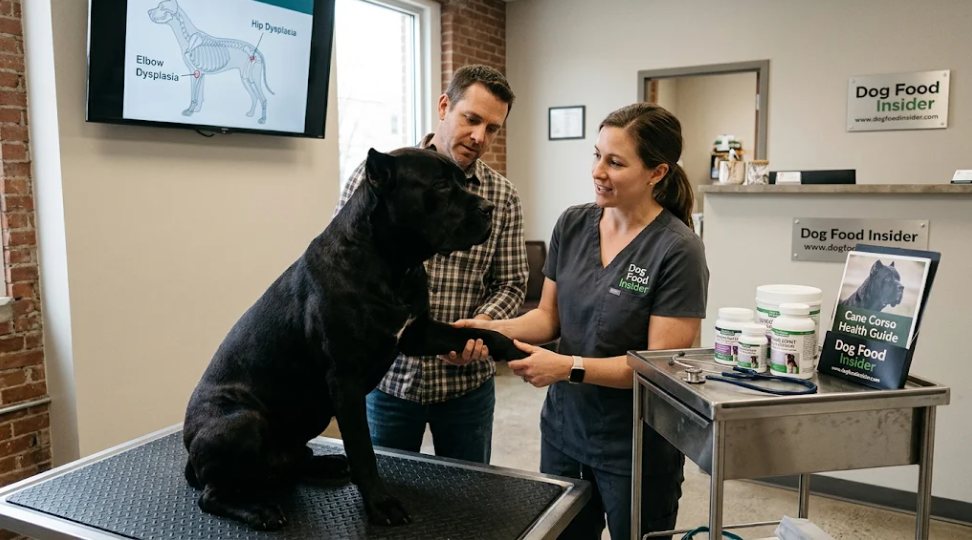
Seek Reputable Working or Preservation Breeders: Choose ethical breeders affiliated with official breed clubs who perform certified health screenings (hip/elbow dysplasia, DNA checks) over quick commercial sales.
-
Understand Working Line Drive Differences: Distinguish between FCI-registered show lines and KNPV working lines, as KNPV working lines possess intense drive suitable only for experienced handlers.
-
Provide Daily Physical and Mental Outlets: Rare working shepherds require structured daily work, agility, or obedience tracking to prevent behavioral frustration.
Nutritional Needs to Fuel Rare High-Endurance Working Breeds
Providing balanced, species-appropriate nutrition rich in clean animal proteins, healthy fats for sustained stamina, and essential joint-supporting nutrients ensures your rare working shepherd maintains optimal performance and structural health. Before establishing your dog’s feeding routine, explore our complete guide on raw meat feeding for dogs to evaluate balanced diet options.
Share Your Insights or Reach Out to Our Team
Do you have experience owning or training a rare Dutch Shepherd? We welcome expert veterinary insights, breed preservation tips, and guest contributions. If you are passionate about rare working breeds and herding dogs, feel free to write for us and share your expertise with our growing community.
Have specific questions about rare working breeds or high-performance nutrition? Contact us today to connect with our editorial team.
Why Choose Dog Food Insider for Canine Guidance?
At Dog Food Insider, we prioritize science-backed canine care and honest breed analysis to help you make informed decisions for your pet’s wellbeing.
Before introducing a rare working breed into your household, explore our complete feeding guides to ensure your dog thrives throughout life. Looking for tailored guidance for your canine companion? Visit Dog Food Insider today to access expert nutrition calculators, behavioral insights, and personalized advice to keep your family thriving.











Leave a Reply