
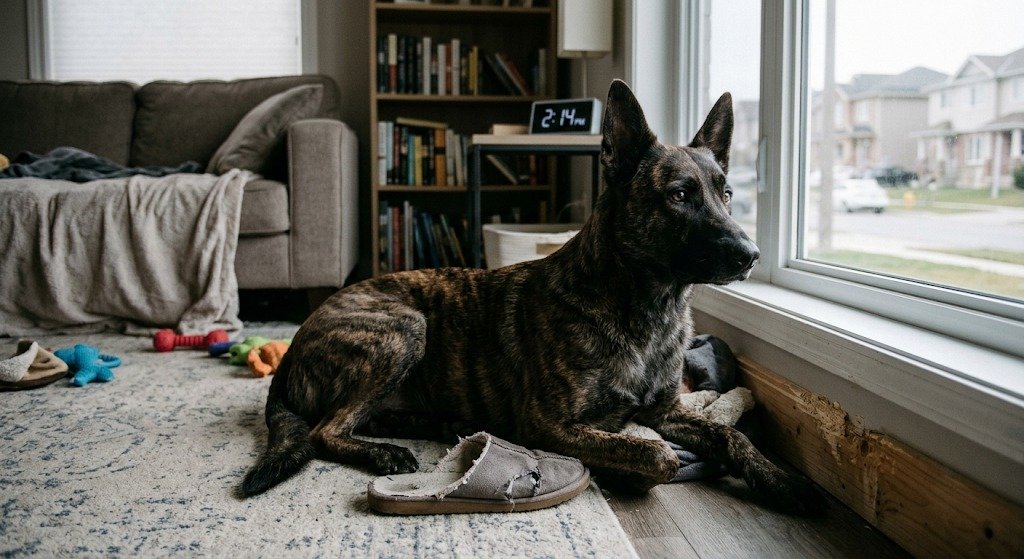
When exploring Are Dutch Shepherds Prone to Separation Anxiety?, yes, Dutch Shepherds are prone to separation anxiety and strong attachment to their families.
When prospective owners, working-dog handlers, and European shepherd enthusiasts search for guidance on Are Dutch Shepherds Prone to Separation Anxiety?, evaluating intense handler loyalty, working-line drive, behavioral distress triggers, and preventive training protocols ensures that these high-energy companions remain confident when left home alone. At Dog Food Insider, we follow evidence-based canine behavior and veterinary care standards (supported by guidelines from organizations like the American Kennel Club) to help you recognize separation distress, manage alone-time routines, and foster long-term emotional wellbeing.
Are Dutch Shepherds Prone to Separation Anxiety?: Working Drive and Handler Attachment
When evaluating Are Dutch Shepherds Prone to Separation Anxiety?, examining the breed’s historical evolution and working genetics reveals why isolation stress develops so readily in unmanaged dogs.
Key Psychological and Behavioral Triggers:
-
Intense Pack and Handler Loyalty: Bred to work seamlessly alongside human handlers on European farms and in police/military units, Dutch Shepherds form tight, velcro-like attachments to their owners.
-
Under-Exercised Energy Accumulation: When a high-drive working dog suffers from unspent physical energy or mental boredom, sudden isolation transforms into intense arousal, frustration, and panic.
-
Lack of Independence Training: Shepherds that spend 100% of their time glued to an owner’s side without structured “place” training or solo play habits struggle significantly when left alone unexpectedly.
Are Dutch Shepherds Prone to Separation Anxiety?: Signs and Preventive Protocols
Understanding Are Dutch Shepherds Prone to Separation Anxiety? also requires recognizing the common warning signs of isolation distress and implementing effective behavioral solutions early.
Common Signs of Separation Anxiety:
-
Destructive Door and Window Scratching: Attempting to break through exits, crate bars, or doorframes to reunite with missing family members.
-
Nuisance Vocalization: Persistent howling, high-pitched whining, or alarm barking that begins immediately after the handler departs.
-
Pacing and Hypersalivation: Anxious pacing, excessive drooling, or refusal to eat high-value treats while alone.
Essential Management and Prevention Strategies:
-
Desensitize Departure Cues: Pick up keys, put on coats, and touch door handles without actually leaving, neutralizing emotional triggers before exiting.
-
Establish Low-Key Departures and Arrivals: Keep exits and reunions calm and quiet to avoid spiking your shepherd’s emotional arousal state.
-
Utilize High-Value Interactive Chews: Provide long-lasting frozen KONGs, puzzle feeders, or lick mats right as you leave to build positive associations with alone time.
Direct Comparison: Separation Distress Risk Across European Working Shepherds
To help you answer Are Dutch Shepherds Prone to Separation Anxiety?, review this direct comparative breakdown of separation anxiety vulnerability, attachment levels, and recommended alone-time training across major working breeds:
| European Working Breed | Separation Anxiety Vulnerability | Attachment / Velcro Tendency | Safe Daily Isolation Limit | Independence Training Priority |
| Dutch Shepherd | Moderate to High | Very High (Velcro Breed) | 4 – 6 Hours | High / Mandatory |
| Belgian Malinois | Extremely High | Intense / White-Hot | 3 – 5 Hours | Extreme / Essential |
| German Shepherd | High | High | 4 – 6 Hours | High |
| Cavalier King Charles | High (Companion) | High | 3 – 4 Hours | Moderate |
Exploring Breeds and Finding the Ideal Match
While exploring questions like Are Dutch Shepherds Prone to Separation Anxiety? highlights working-dog emotional welfare, evaluating overall breed suitability ensures a safe match for your living space. If you are researching specific purebred working traits or alternative family companions, explore our comprehensive breed database category to understand how different working, herding, and guard breeds behave in domestic settings.
For families seeking wonderful, gentle companions that naturally thrive in balanced households, review our expert recommendations in our detailed guide on top dog breeds for families. Conversely, understanding which high-drive working animals require specialized handling and time commitment is equally vital; review our analysis of the worst dog breeds for families with toddlers.
Practical Rules for Building Alone-Time Confidence
To ensure your Dutch Shepherd develops healthy independence and stays relaxed when alone, adopt these practical habits:
-
Enforce Daily “Place” Time While Home: Teach your shepherd to relax quietly on a dedicated dog bed in another room while you are home to build spatial independence.
-
Provide Intensive Morning Physical Workouts: Drain your dog’s physical energy with 45–60 minutes of running or obedience drills before leaving for work so they spend alone time resting.
-
Consult Professional Canine Behaviorists: If severe panic or self-harm occurs during alone time, work with a certified veterinary behaviorist to design a desensitization plan.
Nutritional Needs to Fuel Brain Health and Nervous System Balance
Providing balanced, species-appropriate nutrition rich in clean animal proteins, essential omega-3 fatty acids (EPA/DHA) for cognitive health, and B-vitamins for nervous system regulation supports emotional stability and reduces stress sensitivity. Before establishing your dog’s feeding routine, explore our complete guide on raw meat feeding for dogs to evaluate balanced diet options.
Share Your Insights or Reach Out to Our Team
Do you have experience managing separation anxiety in a Dutch Shepherd? We welcome expert veterinary insights, behaviorist tips, and guest contributions. If you are passionate about working dog behavior and mental welfare, feel free to write for us and share your expertise with our growing community.
Have specific questions about working shepherd behavior or calming nutrition? Contact us today to connect with our editorial team.
Why Choose Dog Food Insider for Canine Guidance?
At Dog Food Insider, we prioritize science-backed canine care and honest behavioral advice to help you make informed decisions for your pet’s wellbeing.
Before working on separation anxiety or managing behavioral challenges in your dog, explore our complete feeding guides to ensure your pet thrives throughout life. Looking for tailored guidance for your canine companion? Visit Dog Food Insider today to access expert nutrition calculators, behavioral insights, and personalized advice to keep your family thriving.





Leave a Reply