

Neither breed is inherently “more aggressive” than the other, as aggression depends heavily on early socialization, structured training, and genetic lineage. However, Cane Corsos and Pit Bulls express their natural drives in completely different ways: the Cane Corso is a large, territorial guardian designed to protect home boundaries, while Pit Bulls possess strong athletic drives and can exhibit dog-selectivity without proper handling.
To safely manage these powerful breeds, owners must prioritize a complete understanding of canine dietary management, consistent behavioral boundaries, and responsible ownership.
Behavioral Differences: Guardian Instincts vs. High Energy
Understanding how each breed interacts with humans and other animals reveals key distinctions in their temperaments:
-
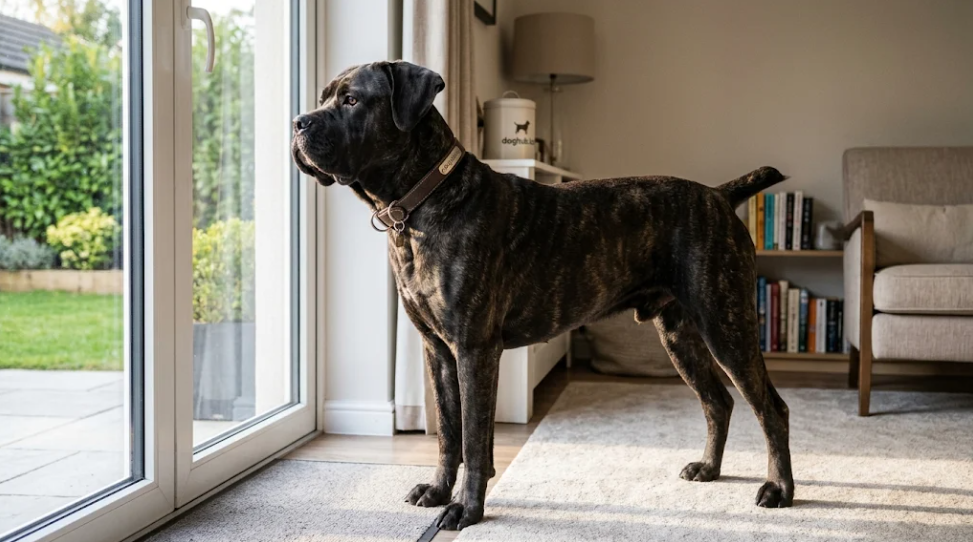
Cane Corso (Territorial Protection): As an ancient Italian mastiff breed, the Cane Corso has a natural territorial instinct to guard its home and family. They tend to be distant or reserved around strangers and watch quietly before reacting. Unchecked guard instincts can manifest as protective aggression.
-
Pit Bull (High Energy & Prey Drive): American Pit Bull Terriers are typically very affectionate, people-oriented, and friendly toward human strangers. Their primary challenge often involves high energy levels, extreme tenacity, and potential dog-directed reactivity rather than human aggression.
-
Physical Capability: A Cane Corso can weigh between 90 to 120 pounds with a significantly higher bite force, meaning an untrained Corso poses a larger physical risk purely due to its sheer mass.
Root Causes of Behavioral Aggression: Why Risk Factors Emerge
Neither dog becomes reactive or aggressive without underlying triggers. The most common factors include:
-
Lack of Early Socialization: Exposing puppies to diverse environments, strange dogs, and new people before 16 weeks prevents fear-based reactivity later in life.
-
Nutritional and Health Imbalances: High-stress environments or poor nutrition can heighten frustration and physical discomfort. Following balanced canine nutrition guidelines supports neurochemical balance and physical well-being.
-
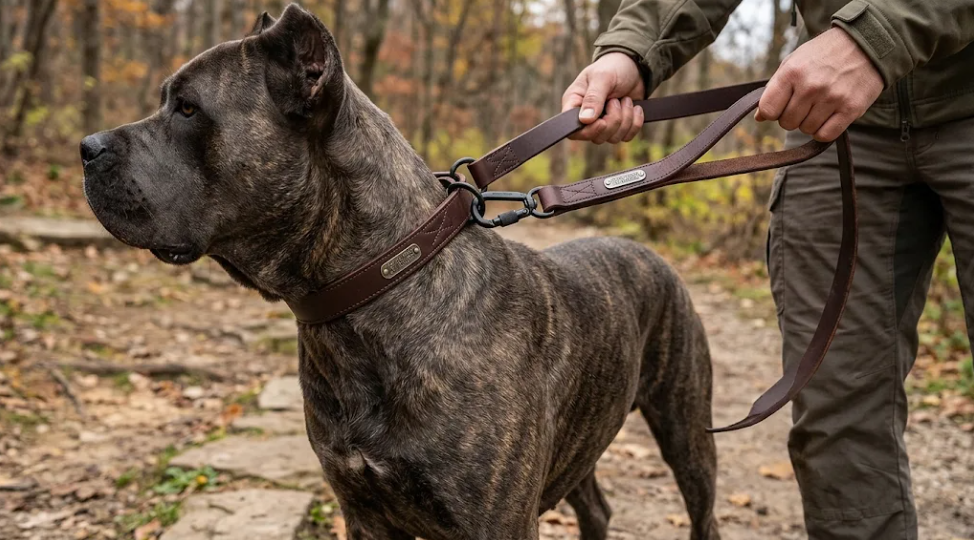
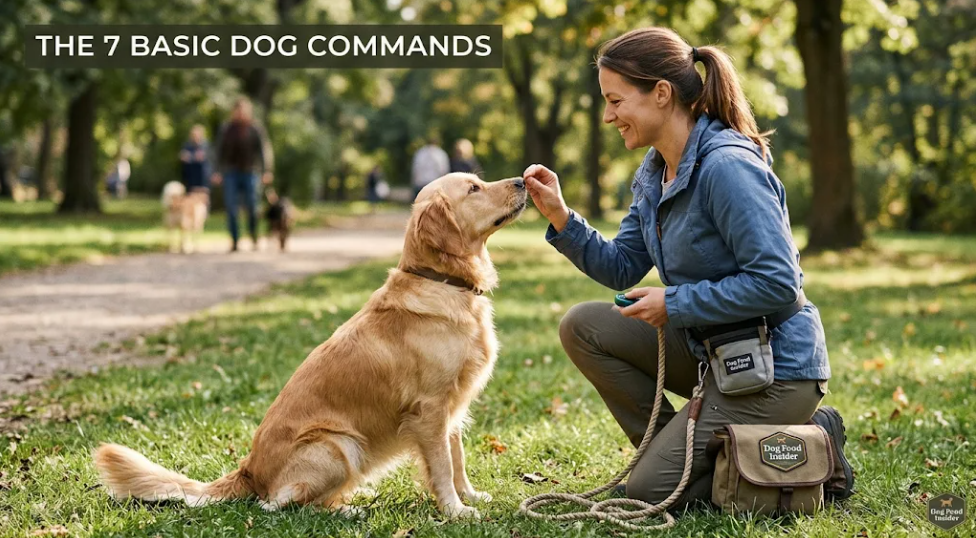
Inconsistent Leadership: Both breeds require clear, reward-based training. Allowing a dominant working breed to control household boundaries often leads to unwanted protective behaviors.
Why Proper Management Matters for Working Breeds
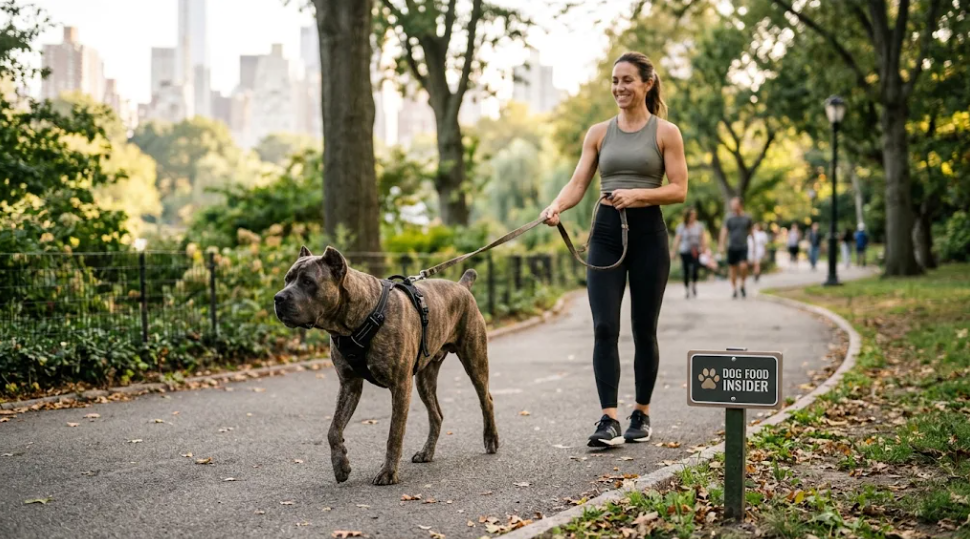
While many companion breeds tolerate minimal training, working and guardian breeds require active management throughout their lives. Early puppy socialization prevents unnecessary guard reactions, while structured daily exercise burns off excess working energy. Providing balanced physical outlets and complete dog nutrition resources helps keep these powerful working breeds stable, safe, and calm within family homes.









Leave a Reply