
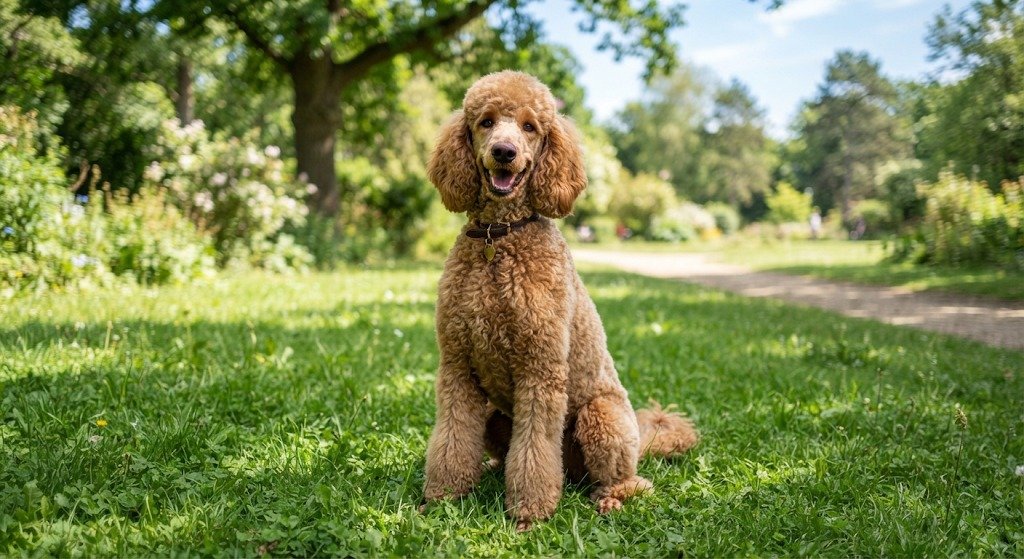
When exploring What is the most hypoallergenic type of dog?, the Poodle (available in Standard, Miniature, and Toy sizes) is widely considered the most hypoallergenic dog breed.
When prospective pet parents, allergy sufferers, and dog enthusiasts search for guidance on What is the most hypoallergenic type of dog?, evaluating non-shedding single-coat structures, dander containment dynamics, salivary protein triggers (Can f 1), and grooming maintenance routines ensures that handlers choose a compatible companion without triggering severe allergic reactions. At Dog Food Insider, we follow evidence-based canine allergy science and breed welfare standards (supported by guidelines from organizations like the American Kennel Club) to help you assess low-dander breeds, manage indoor allergens, and support long-term canine health.
What is the most hypoallergenic type of dog?: Understanding Poodle Coat Dynamics
When evaluating What is the most hypoallergenic type of dog?, looking into canine coat anatomy reveals why the Poodle remains the undisputed gold standard for allergic handlers.
Key Reasons Poodles Lead Hypoallergenic Ratings:
-
Single-Layered Curly Hair (Not Fur): Unlike double-coated breeds that blow dense undercoats seasonally, Poodles possess dense, tightly curled hair that continuously grows rather than shedding onto furniture and carpets.
-
Trapping Dead Skin and Dander: When Poodles shed loose hair follicles, the tight curls trap the hairs and dander within the coat until brushed or washed out, preventing airborne allergen distribution.
-
Low Salivary and Skin Protein Emission: While no dog is 100% allergen-free (as allergies stem from proteins in skin dander, saliva, and urine), Poodles naturally produce lower dander levels compared to high-shedding working breeds.
-
Size Versatility for Living Spaces: With Standard (large), Miniature (medium), and Toy (small) varieties, owners can select a size that fits their home environment without compromising on allergen reduction.
What is the most hypoallergenic type of dog?: Top Low-Dander Alternatives
Understanding What is the most hypoallergenic type of dog? also requires exploring alternative low-allergen breeds that suit different handler lifestyles and activity preferences.
Highly Ranked Low-Shedding Breeds:
-
Bichon Frise: Possesses a soft, dense, powder-puff outer coat that traps loose hair, making them exceptional low-allergen companions for apartment dwellers.
-
Maltese: A single-coated toy breed with long, silky white hair that lacks a dense undercoat, producing minimal indoor dander.
-
Schnauzer (Miniature, Standard, Giant): Features a wiry, double coat that sheds very little hair when regularly hand-stripped or clipped.
-
Portuguese Water Dog: A robust working breed with non-shedding, waterproof hair that caters well to active families requiring low-dander companions.
Direct Comparison: Dander & Shedding Profiles Across Popular Breeds
To help you answer What is the most hypoallergenic type of dog?, review this direct comparative breakdown of coat types, shedding levels, dander containment, and grooming requirements across top breeds:
| Dog Breed | Coat Type & Structure | Shedding Intensity | Dander & Allergen Risk | Professional Grooming Need |
| Poodle (All Sizes) | Dense Single-Layer Hair | Very Low (Non-Shedding) | Lowest (Trapped in Curls) | High (Every 4–6 Weeks) |
| Bichon Frise | Soft Dense Curly Coat | Very Low | Very Low | High (Every 4–6 Weeks) |
| Schnauzer | Wiry Double Coat | Low | Low | Moderate to High |
| German Shepherd | Dense Thick Double Coat | Extreme (“German Shedder”) | High (Floating Dander) | Low (No Haircuts) |
Exploring Breeds and Finding the Ideal Match
While exploring questions like What is the most hypoallergenic type of dog? highlights low-allergen companions, evaluating overall breed suitability ensures a safe match for your living space. If you are researching specific purebred working traits or alternative family companions, explore our comprehensive breed database category to understand how different working, herding, and guard breeds behave in domestic settings.
For families seeking wonderful, gentle companions that naturally thrive in household settings with easygoing indoor manners, review our expert recommendations in our detailed guide on top dog breeds for families. Conversely, understanding which high-drive guardian animals require specialized handling and clear indoor boundaries is equally vital; review our analysis of the worst dog breeds for families with toddlers.
Practical Rules for Managing Dog Allergies at Home
To minimize indoor allergic reactions even when living with a hypoallergenic breed, strictly adhere to these home management rules:
-
Establish a Regular Professional Grooming Schedule: Have your Poodle or low-shedding dog bathed, brushed, and clipped every 4 to 6 weeks to remove trapped dander.
-
Maintain High-Efficiency Air Filtration (HEPA): Use HEPA air purifiers in bedrooms and living areas to capture floating dander particles and dust.
-
Create Allergy-Free Zones: Keep your dog out of the main allergic family member’s bedroom to ensure an allergen-free sleeping area.
Nutritional Needs to Support Skin Barrier Health
Providing balanced, species-appropriate canine nutrition rich in clean animal proteins, zinc, and essential omega-3 fatty acids (EPA/DHA) maintains skin elasticity, prevents dry flaking, and minimizes excessive dander shedding. Before establishing your dog’s feeding routine, explore our complete guide on raw meat feeding for dogs to evaluate balanced diet options.
Share Your Insights or Reach Out to Our Team
Do you live with a Poodle or another low-dander breed? We welcome expert veterinary insights, breeder tips, and guest contributions. If you are passionate about canine coat health and hypoallergenic breed care, feel free to write for us and share your expertise with our growing community.
Have specific questions about hypoallergenic dog breeds or canine nutrition? Contact us today to connect with our editorial team.
Why Choose Dog Food Insider for Canine Guidance?
At Dog Food Insider, we prioritize science-backed canine care and honest health advice to help you make informed decisions for your pet’s wellbeing.
Before introducing a new dog into your home, explore our complete feeding guides to ensure your dog thrives throughout life. Looking for tailored guidance for your canine companion? Visit Dog Food Insider today to access expert nutrition calculators, behavioral insights, and personalized advice to keep your family thriving.












Leave a Reply