
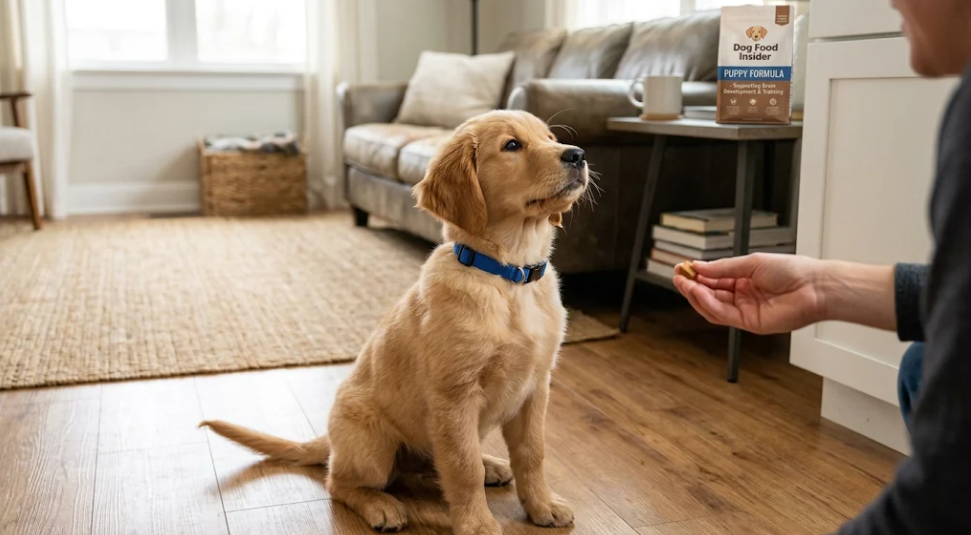
Yes, puppies can begin learning simple commands as early as 7 to 8 weeks old, which is typically the exact moment you bring them home. However, reliable and consistent obedience takes time to develop and generally emerges gradually over several months as their brain matures and focus improves.
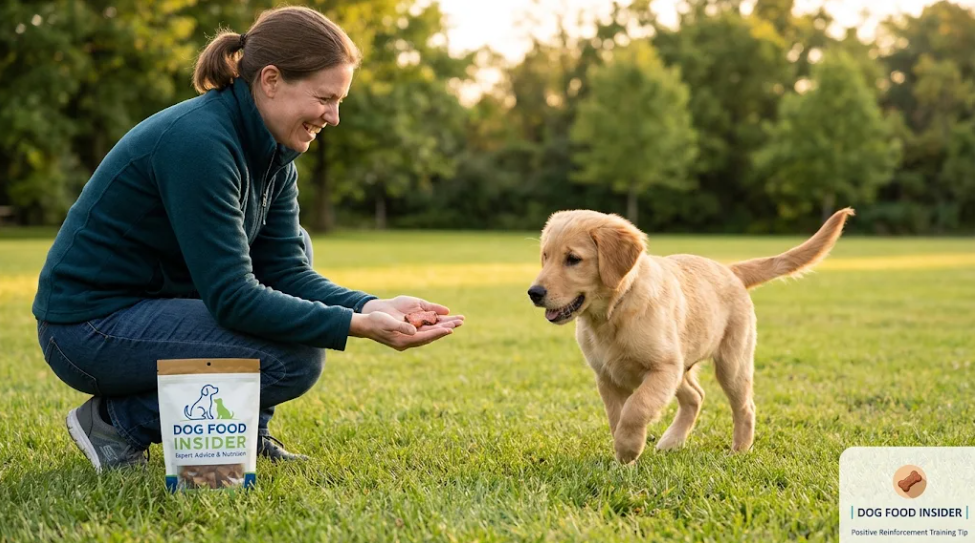
While young pups have short attention spans, early puppy training builds essential neurological pathways for learning. At Dog Food Insider, we recommend pairing positive reinforcement with age-appropriate expectations to establish a foundation for long-term behavioral success.
Expected Obedience Milestones by Age
Puppy learning capacity changes significantly as they grow through distinct developmental stages:
-
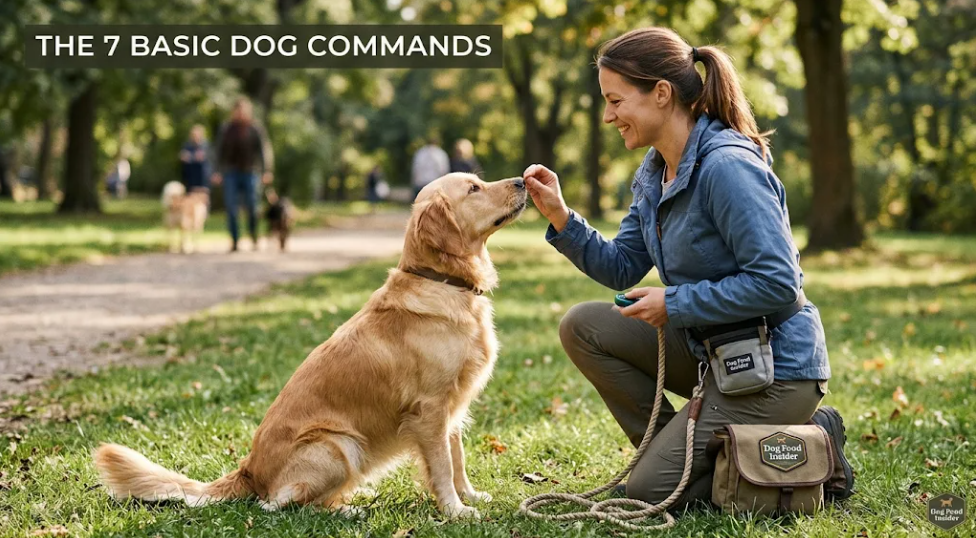
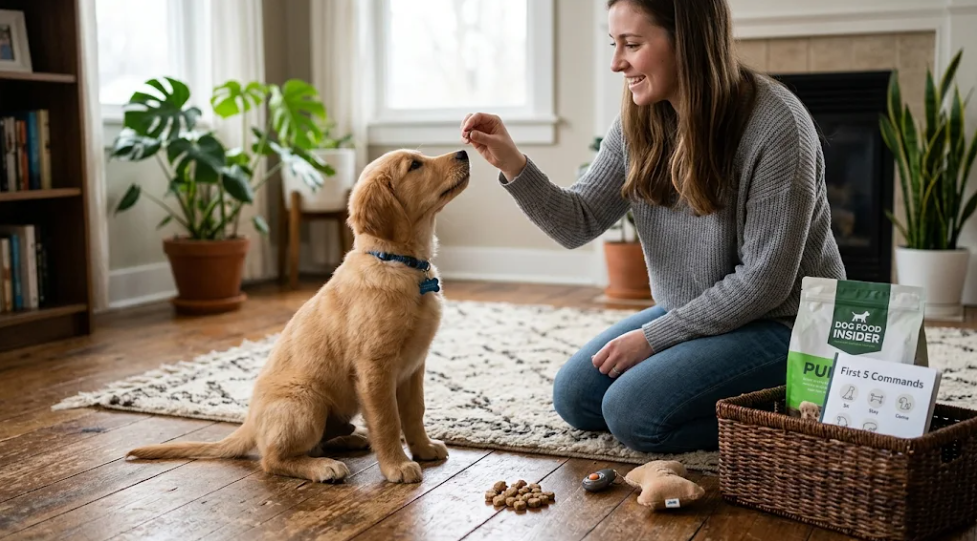
8 to 10 Weeks: Basic Cues & House Manners. Puppies can learn name recognition, “sit,” “come,” crate introduction, and potty scheduling. Sessions should be kept extremely short (1–3 minutes).
-
10 to 12 Weeks: Core Command Expansion. Young dogs begin grasping “down,” “stay,” “leave it,” and introductory leash response indoors.
-
3 to 4 Months: Real-World Responsiveness. Impulse control improves, allowing puppies to follow commands around mild household distractions and practice polite greetings.
-
4 to 6 Months: Stronger Focus & Habit Formation. Puppies can hold stays longer, walk on a loose lead, and follow commands outdoors with light environmental noise.
-
6 to 12 Months: Consistent Obedience (Adolescence). Physical and mental maturity allows for reliable obedience, though testing boundaries during adolescence requires consistent review.
Key Factors That Impact Command Compliance
A puppy’s ability to follow directions is influenced by several biological and behavioral factors:
-
Attention Span: Young puppies process information quickly but tire easily. Over-training leads to frustration rather than compliance.
-
Nutritional Support: High-quality food rich in DHA and essential fatty acids supports cognitive development and trainability in growing pups. You can review detailed canine diet guides and nutrition advice at dogfoodinsider.co.uk to support healthy brain function.
-
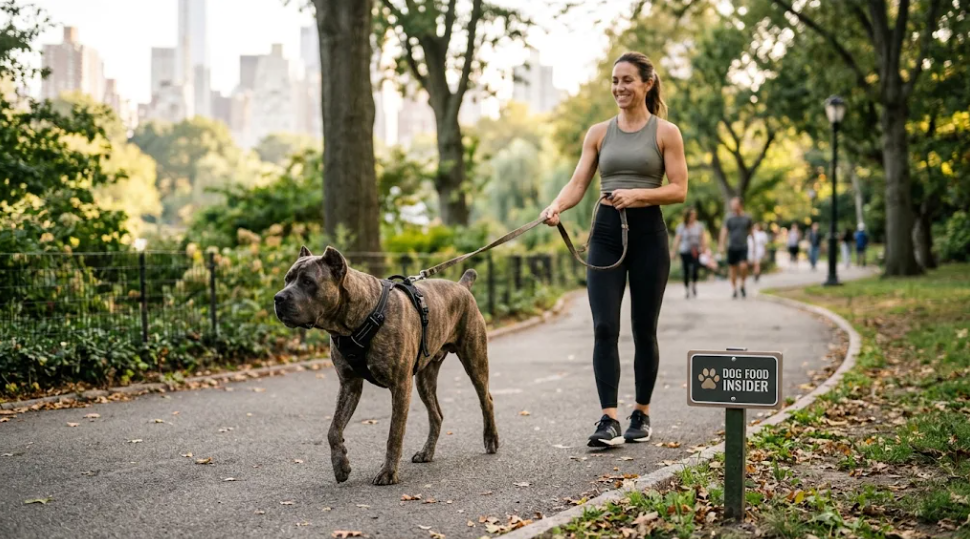
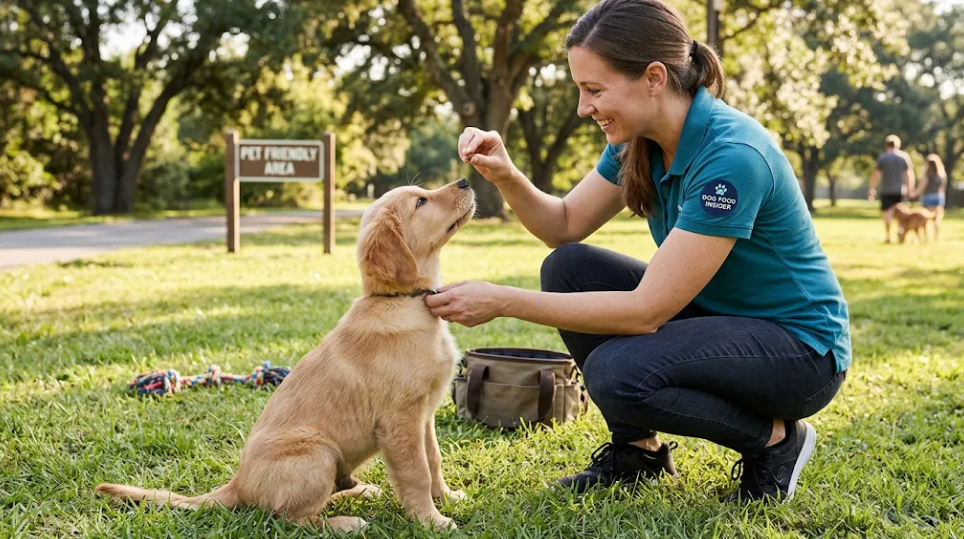
Distraction Levels: Command responsiveness in a quiet living room does not immediately translate to a busy park. Distractions must be introduced gradually.
-
Methodology: Force-free, positive reinforcement (using high-value rewards) yields faster and more dependable command obedience than punishment-based techniques.
Why Choose Dog Food Insider for Your Pup’s Growth Journey?
While general training guides offer basic timelines, overall obedience is deeply connected to your dog’s daily routine, energy management, and physical health. The team at Dog Food Insider provides research-backed insights on puppy nutritional needs, breed-specific behavioral traits, and expert guidance to support your dog through every growth milestone.
Looking for comprehensive advice on caring for your new companion? Explore Dog Food Insider today for expert canine nutrition reviews, feeding schedules, and puppy care tips to set your pet up for a healthy life.



Leave a Reply