
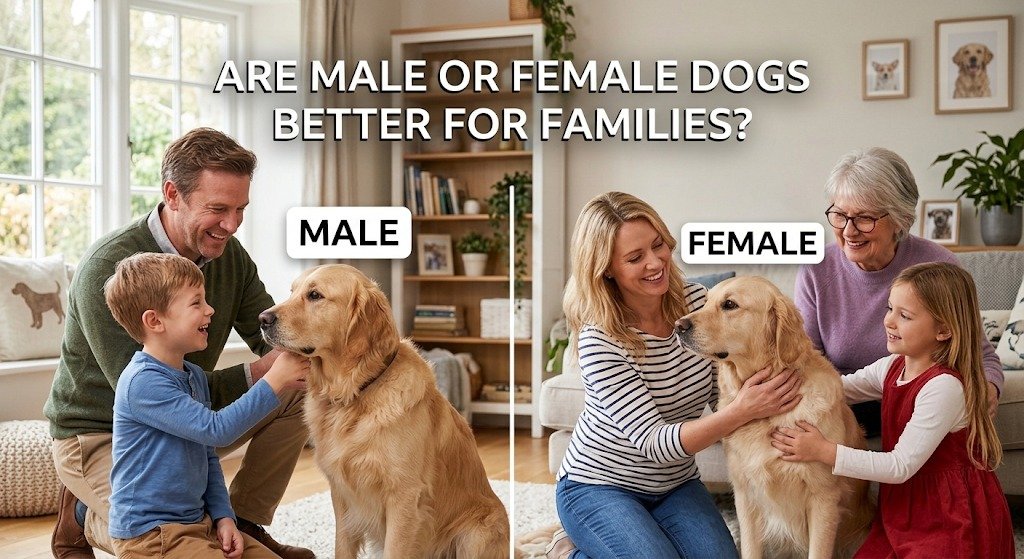
When prospective pet owners prepare to welcome a new companion into a child-centric household, one of the most common questions they ask is: are male or female dogs better for families? The short answer is that neither male nor female dogs are inherently better for families; a dog’s breed, individual temperament, socialization, and training matter much more than its sex.
While subtle behavioral tendencies exist between male and female dogs, broad generalizations rarely apply universally. Spaying or neutering your pet, combined with structured positive reinforcement training, neutralizes most hormonal behavioral differences. At Dog Food Insider, we follow evidence-based veterinary behavior principles to help you navigate dog adoption and family pet selection with absolute confidence.
Understanding Male Dogs in Family Households
When determining are male or female dogs better for families, it is helpful to examine the general behavioral traits commonly associated with male dogs. Male dogs are frequently stereotyped as being more outwardly affectionate, playful, and emotionally dependent on their human family members.
Common Characteristics of Male Dogs:
-
Affectionate and Eager to Please: Unsterilized or intact males can display territorial marking and roaming behaviors, but neutered males are typically outgoing, goofy, and deeply attached to children.
-
Size and Physical Presence: In most dog breeds, adult males grow larger and heavier than females, offering a robust physical frame that withstands active play.
-
Playful Energy: Males often maintain a puppy-like exuberance well into adulthood, making them fantastic playmates for energetic older children.
Potential Challenges with Male Dogs:
-
Hormonal Distractions: Intact males may display humping behaviors, attempt to roam if they scent a female in heat, or show dominance toward other male dogs if left unneutered.
Understanding Female Dogs in Family Households
Another essential consideration when exploring are male or female dogs better for families is looking closely at female dogs (bitches). Females are often stereotyped as being more independent, observant, and naturally intuitive around the home.
Common Characteristics of Female Dogs:
-
Independent and Focused: Females frequently mature faster than males, displaying calm focus during training sessions and quick problem-solving abilities.
-
Protective Instincts: Many females possess a strong maternal instinct, making them deeply protective of family members and gentle with younger children.
-
Easier Space Management: In multi-dog households, female dogs often establish leadership roles and manage pack dynamics smoothly.
Potential Challenges with Female Dogs:
-
Heat Cycles: Intact females experience estrus cycles twice a year, which involve bleeding, behavioral mood swings, and attracting roaming male dogs.
-
Resource Guarding: Certain females can display higher tendencies toward resource guarding toys, food, or resting spaces if not properly socialized.
Direct Comparison: Male vs. Female Family Dogs
To help you evaluate are male or female dogs better for families, review this direct comparative breakdown across essential household criteria:
| Behavioral Metric | Male Dogs (Neutered) | Female Dogs (Spayed) |
| Affection & Bonding | Outgoing, clingy, highly playful | Affectionate, independent, intuitive |
| Training Responsiveness | Eager to please, easily motivated | Fast learners, independent thinkers |
| Physical Sturdy Build | Larger frame and heavier bone structure | Slightly smaller and more compact |
| Hormonal Management | Requires neutering to curb marking | Requires spaying to prevent heat cycles |
| Suitability for Children | Excellent with proper socialization | Excellent with proper socialization |
Exploring Breeds and Finding the Ideal Match
While sex influences certain behavioral nuances, breed characteristics and individual personality have a far greater impact on household harmony. If you are researching specific lineage traits, explore our comprehensive breed database category to understand how different working, herding, and companion dogs behave in domestic settings.
For families seeking wonderful, gentle companions that naturally thrive in child-centric homes, review our expert recommendations in our detailed guide on top dog breeds for families. Conversely, understanding which animals to avoid in chaotic toddler homes is equally vital; review our analysis of the worst dog breeds for families with toddlers.
Key Factors That Matter More Than Sex
When deciding are male or female dogs better for families, focus on these critical success factors instead of gender:
-
Individual Assessment: Spend time interacting with the specific puppy or rescue dog to observe their confidence, touch tolerance, and reaction to noise.
-
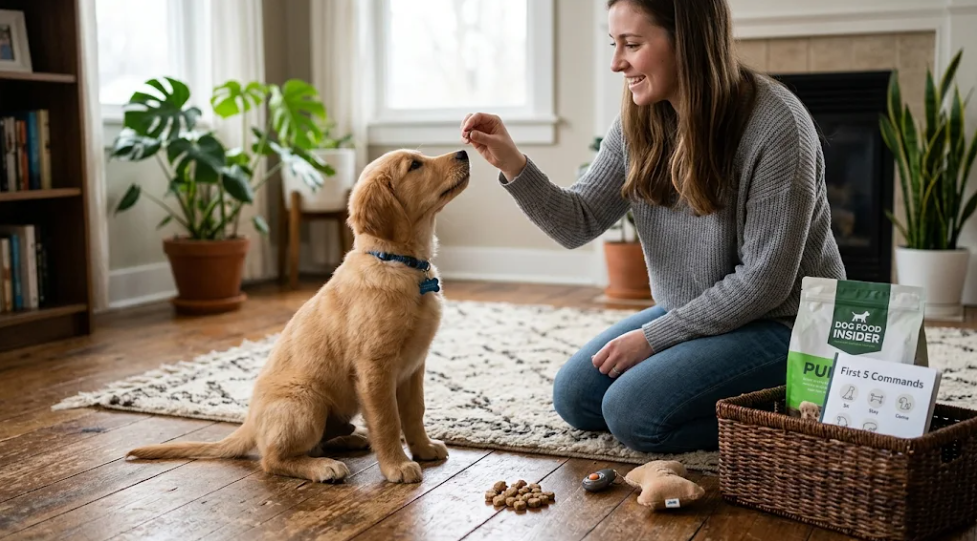
Early Socialization: Exposing young dogs to positive encounters with children, handling, and household sounds shapes a stable adult temperament.
-
Proper Nutrition: Providing balanced, species-appropriate meals is vital for health. Before establishing your feeding routine, explore our guide on raw meat feeding for dogs to evaluate nutritional options.
Share Your Insights or Reach Out to Our Team
Do you have experience raising male or female dogs alongside children? We welcome expert veterinary insights and guest contributions. If you are passionate about canine behavior and wellness, feel free to write for us and share your expertise with our growing community.
Have specific questions about family pet safety or nutrition? Contact us today to connect with our editorial team.
Why Choose Dog Food Insider for Canine Guidance?
At Dog Food Insider, we prioritize science-backed canine behavior and family safety to help you make informed decisions for your pet’s wellbeing.
Before introducing new pets into your household, explore our complete feeding guides to ensure your dog thrives throughout life. Looking for tailored guidance for your canine companion? Visit Dog Food Insider today to access expert nutrition calculators, behavioral insights, and personalized advice to keep your family thriving.











Leave a Reply