


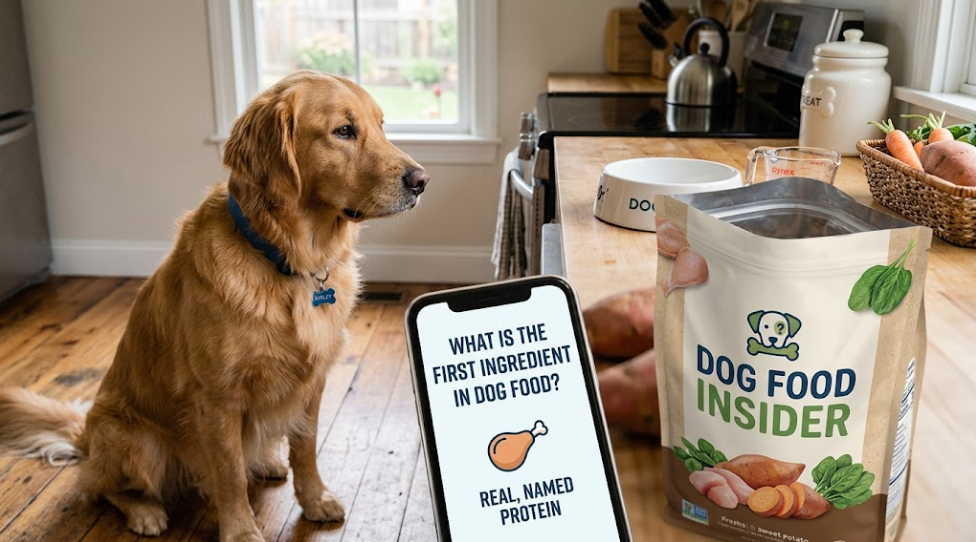
What Is The First Ingredient In Dog Food?
Yes, the first ingredient in dog food should ideally be a named, high-quality animal protein source such as whole chicken,…
Read More
What Are Animal By-Products in Dog Food?
Yes, animal by-products are common, nutrient-dense ingredients in dog food. They consist of the non-rendered, clean, secondary parts of a…
Read More
What Is Fish Meal in Dog Food?
Fish meal in dog food is a concentrated, high-protein dry powder created by cooking, pressing, drying, and grinding whole fish…
Read More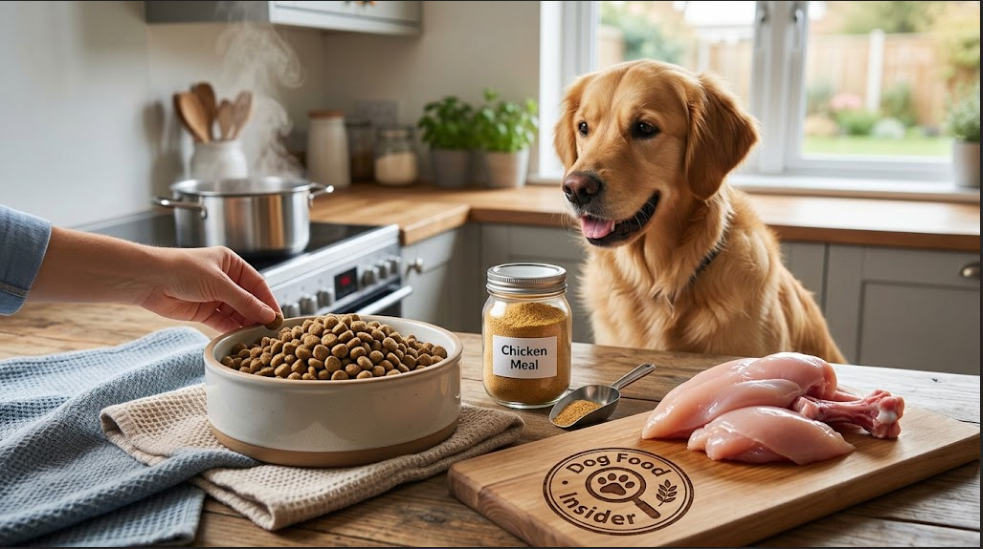
What Is Chicken Meal In Dog Food?
Chicken meal in dog food is a highly concentrated, nutrient-dense powder made by rendering clean chicken flesh, skin, and bone…
Read More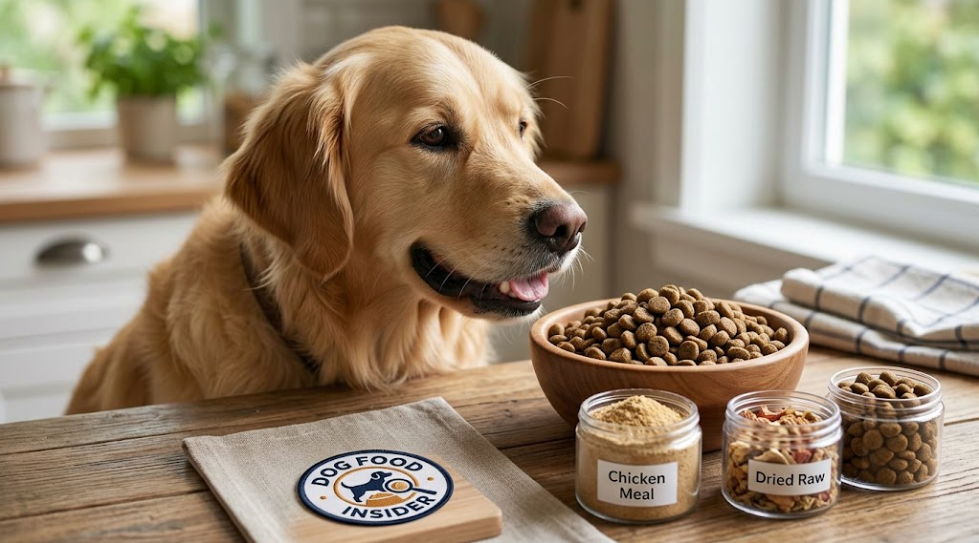
What Is Meat Meal In Dog Food?
Meat meal in dog food is a highly concentrated, protein-rich powder produced by cooking animal tissues through a process known…
Read More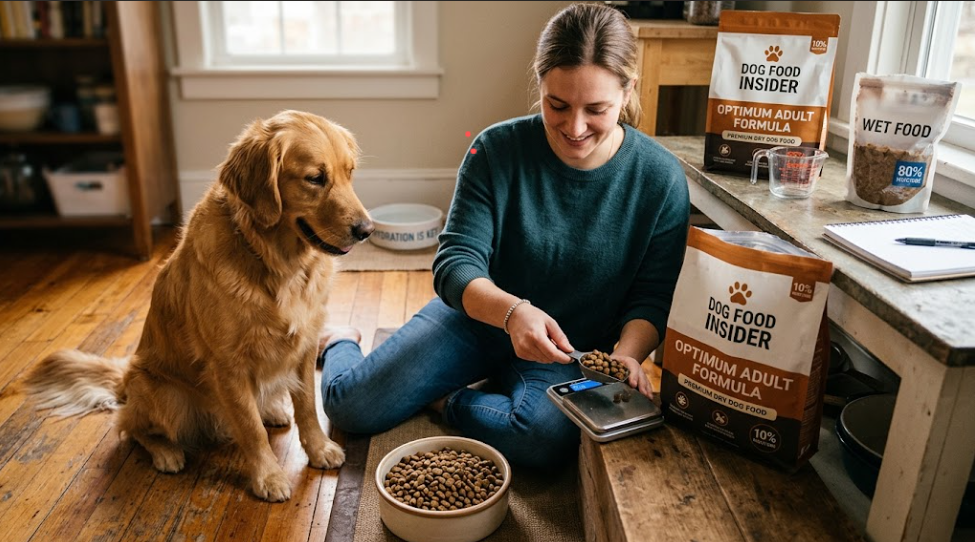
What Does Moisture Mean in Dry Dog Food?
Moisture in dry dog food refers to the percentage of water remaining in the kibble after the cooking and dehydration…
Read More
What Does Ash Mean in Dog Food?
Yes, ash is a standard and essential component found in all complete and balanced dog foods. In pet nutrition, ash…
Read More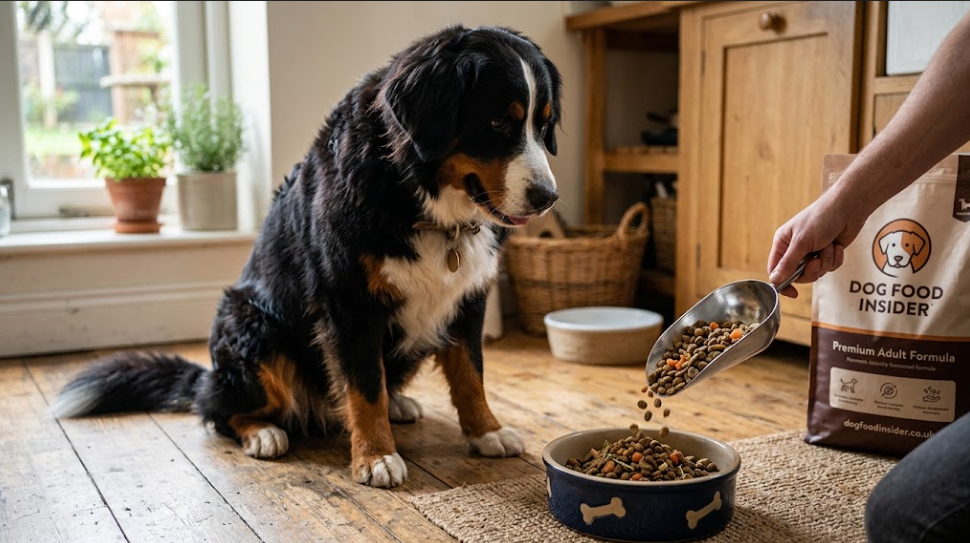
What Does Crude Fiber Mean in Dog Food?
Crude fiber in dog food refers to the estimated maximum percentage of insoluble, indigestible plant materials—such as cellulose, hemicellulose, and…
Read More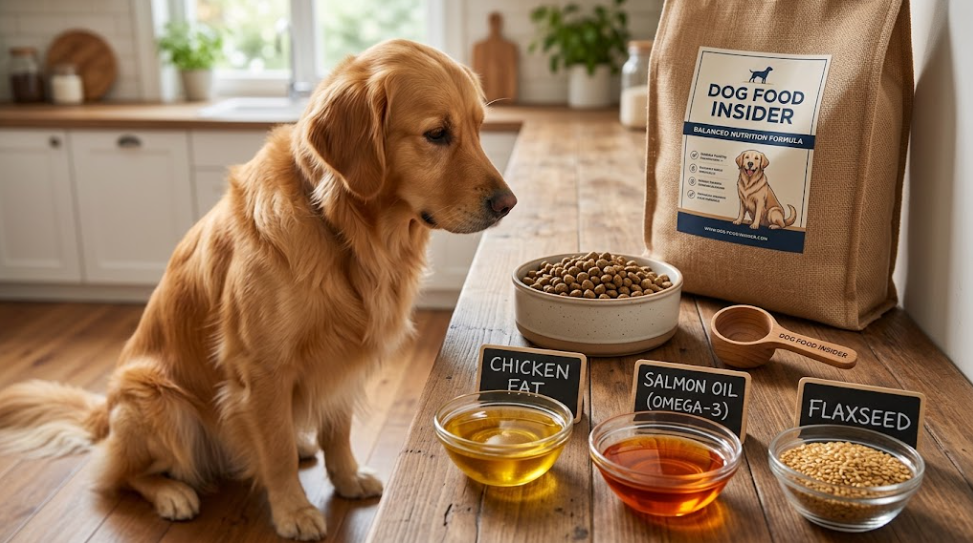
What Does Crude Fat Mean In Dog Food?
Crude fat in dog food is the total amount of fat measured in a product through a standardized laboratory testing…
Read More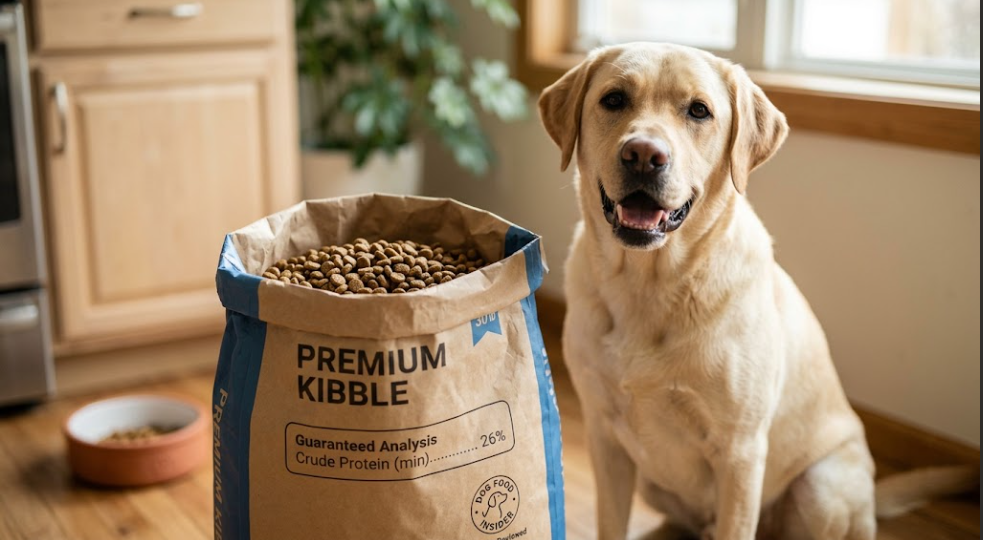
What Does Crude Protein Mean in Dog Food?
Crude protein in dog food is a laboratory estimate of the total protein content based on the amount of nitrogen…
Read More
What Does Complete And Balanced Mean On Dog Food?
When a dog food label says “complete and balanced,” it means the product contains all the essential nutrients your dog…
Read More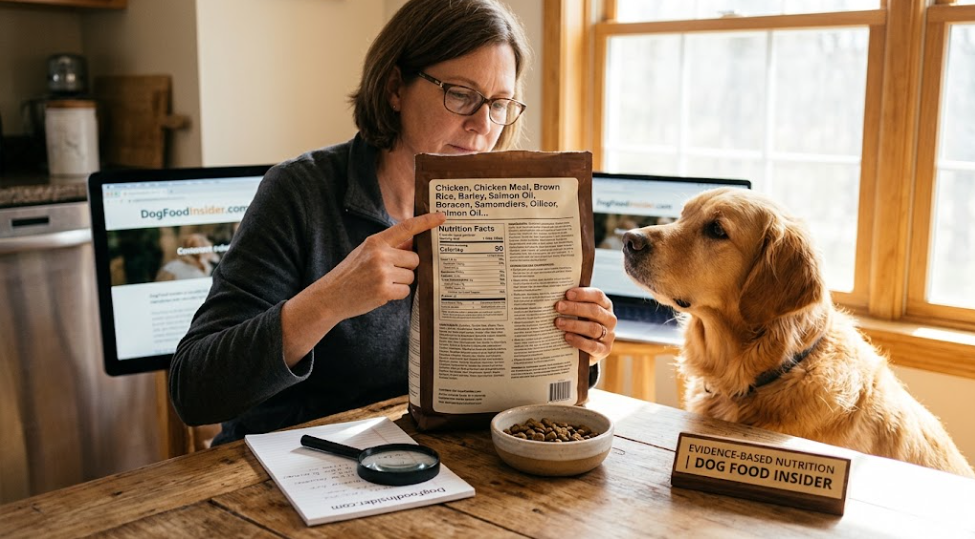
How To Read A Dog Kibble Ingredient List?
The most important step in reading a dog kibble ingredient list is looking at the first three to five items,…
Read More