

When exploring What is the naughtiest age for a puppy?, puppies are generally considered the naughtiest and most challenging during adolescence, which spans from 6 to 18 months of age. However, “naughtiness” shifts in style depending on the puppy’s exact stage of development.
When prospective pet owners, working handlers, and dog lovers search for guidance on What is the naughtiest age for a puppy?, evaluating developmental milestones, hormonal shifts, boundary-testing phases, and structured behavioral solutions ensures that handlers navigate challenging puppy stages without losing patience or compromising training consistency. At Dog Food Insider, we follow evidence-based canine behavioral models and veterinary welfare standards (supported by guidelines from organizations like the American Kennel Club) to help you manage mischievous puppy stages, establish clear boundaries, and support long-term canine health.
What is the naughtiest age for a puppy?: Breaking Down Naughty Behavior by Developmental Stage
When evaluating What is the naughtiest age for a puppy?, understanding how canine behavior evolves from early infancy through adolescent maturity reveals why different ages present unique behavioral challenges.
Behavioral Shift Across Key Puppy Stages:
-
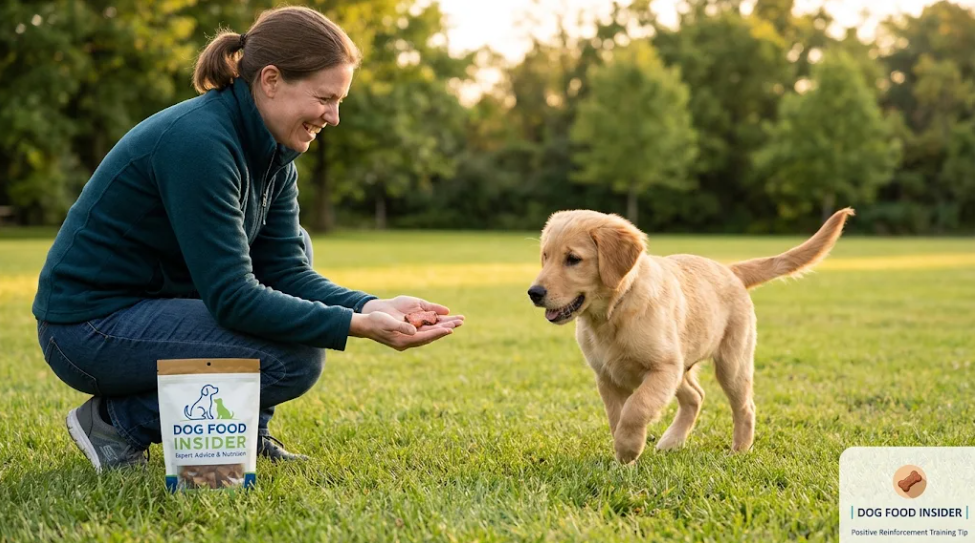
8 to 16 Weeks (Early Infancy & Nipping): Driven by curiosity and razor-sharp milk teeth, puppies explore everything with their mouths. Naughtiness at this age consists of ankle-nipping, pot-plant digging, and housebreaking accidents.
-
4 to 6 Months (Teething & Physical Testing): As 42 adult teeth erupt through sensitive gums, chew-seeking behavior reaches its peak. Puppies chew furniture, test physical limits, and push boundaries as they gain physical confidence.
-
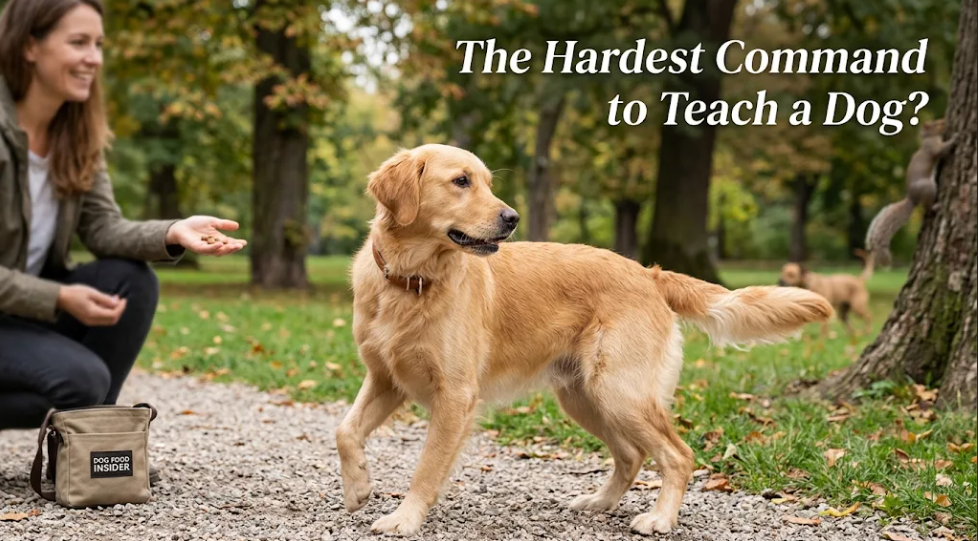
6 to 18 Months (Adolescence & Peak Naughtiness): A sudden surge of sex hormones, combined with physical adult size and a developing brain, makes this the most challenging stage. Adolescent dogs exhibit selective deafness, test household rules, engage in destructive chewing, and show heightened reactivity.
-
18 to 24 Months (Maturation & Stabilization): Hormones begin to level off, brain connections mature, and consistent training pays off as the dog settles into reliable adult behavior.
What is the naughtiest age for a puppy?: Why Adolescence Tests Handlers Most
Understanding What is the naughtiest age for a puppy? requires recognizing why the 6 to 18-month adolescent window pushes even experienced dog owners to their limits.
Factors Driving Adolescent Rebellion:
-
Neurological Remodeling in the Brain: During canine adolescence, the emotional neural pathways mature much faster than the impulse-control pathways, leading to sudden emotional outbursts and impulsive behavior.
-
Surging Sex Hormones: Testicular and ovarian hormone surges increase drive, energy levels, territorial marking, and independent decision-making, leading to selective hearing regarding basic commands.
-
Mismatch Between Size and Mental Maturity: An adolescent puppy often looks like a fully grown adult dog physically, but their brain remains that of a unruly teenager, creating unrealistic handler expectations.
Direct Comparison: Naughty Behaviors Across Puppy Life Stages
To help you answer What is the naughtiest age for a puppy?, review this direct comparative breakdown of age brackets, primary naughty behaviors, root causes, and recommended handler actions:
| Age Bracket / Stage | Primary Naughty Behavior | Underlying Behavioral Cause | Recommended Handler Management Action |
| 8 to 16 Weeks (Baby) | Ankle nipping & potty accidents | Infantile curiosity & small bladder | Housebreaking & chew toy redirection |
| 4 to 6 Months (Teething) | Furniture chewing & mouthiness | Teething soreness & high energy | Frozen KONGs & teething chew relief |
| 6 to 18 Mos (Teenager) | Selective hearing & testing rules | Hormonal surge & brain remodeling | Re-establishing basic impulse training |
| 18+ Months (Adult) | Occasional testing of boundaries | Established habits | Regular exercise & mental enrichment |
Exploring Breeds and Finding the Ideal Match
While exploring questions like What is the naughtiest age for a puppy? highlights developmental behavior stages, evaluating overall breed suitability ensures a safe match for your living space and energy level. If you are researching specific purebred working traits or alternative family companions, explore our comprehensive breed database category to understand how different working, herding, and guard breeds behave in domestic settings.
For families seeking wonderful, gentle companions that naturally pass through adolescent phases with minimal friction, review our expert recommendations in our detailed guide on top dog breeds for families. Conversely, understanding which high-drive herding and guardian animals require specialized handling and long adolescent management is equally vital; review our analysis of the worst dog breeds for families with toddlers.
Practical Rules to Survive the Naughtiest Puppy Stage
To help your dog navigate their adolescent naughty phase smoothly and mature into a well-behaved adult, strictly adhere to these handler guidelines:
-
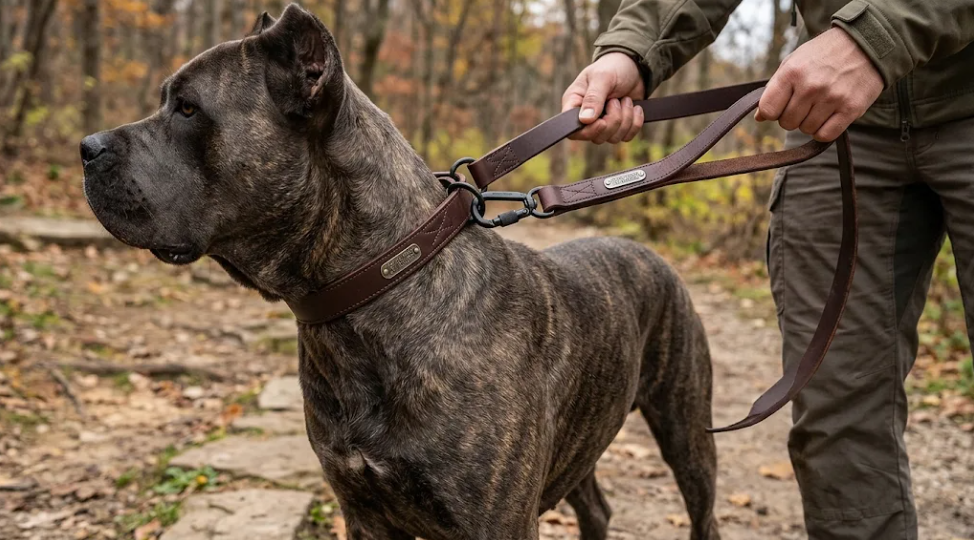
Go Back to Basics with Long-Leash Training: When your teenager begins ignoring recall commands, put them back on a 30-foot long leash during outdoor outings to maintain control.
-
Increase Daily Mental Exercise: A tired brain is a well-behaved brain; incorporate 20 minutes of daily nosework, puzzle games, or obedience drills to drain mental energy.
-
Enforce Rest and Routine: Adolescent dogs still require 14 to 16 hours of daily rest; overtired teenagers display significantly higher levels of destructive behavior and frustration.
Nutritional Needs to Fuel Healthy Growth and Brain Development
Providing balanced, species-appropriate puppy nutrition rich in clean animal proteins, calibrated minerals, and essential omega-3 fatty acids (EPA/DHA) supports rapid skeletal growth, joint resilience, and steady cognitive stability during intense growth phases. Before establishing your dog’s feeding routine, explore our complete guide on raw meat feeding for dogs to evaluate balanced diet options.
Share Your Insights or Reach Out to Our Team
What was the most challenging age with your puppy? We welcome expert veterinary insights, breeder tips, and guest contributions. If you are passionate about puppy development and behavioral management, feel free to write for us and share your expertise with our growing community.
Have specific questions about puppy training or young dog nutrition? Contact us today to connect with our editorial team.
Why Choose Dog Food Insider for Canine Guidance?
At Dog Food Insider, we prioritize science-backed canine care and honest welfare advice to help you make informed decisions for your pet’s wellbeing.
Before introducing a new puppy into your home, explore our complete feeding guides to ensure your dog thrives throughout life. Looking for tailored guidance for your canine companion? Visit Dog Food Insider today to access expert nutrition calculators, behavioral insights, and personalized advice to keep your family thriving.



Leave a Reply