
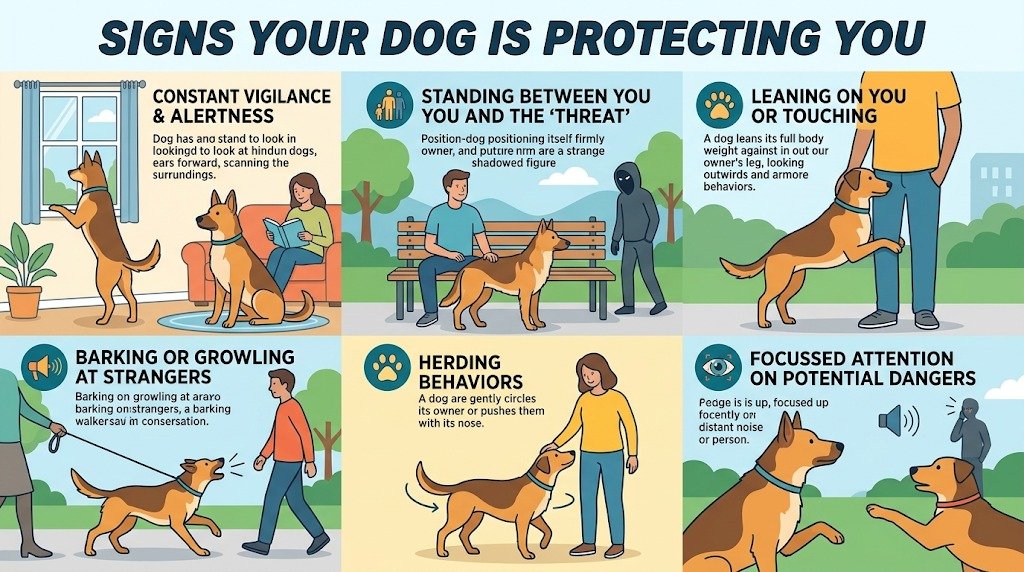
When exploring What Are Signs Your Dog Is Protecting You?, true protective behavior in dogs involves intentional physical choices and alertness designed to shield you from perceived danger. However, animal trainers note that many behaviors people label as “protection” are actually fear, anxiety, or resource guarding.
When pet owners, dog enthusiasts, and working-breed handlers search for guidance on What Are Signs Your Dog Is Protecting You?, evaluating body language, spatial positioning, alertness, and emotional triggers helps distinguish controlled, loyal protection from reactive behavioral issues. At Dog Food Insider, we follow evidence-based canine behavior and veterinary standards (supported by guidelines from organizations like the American Kennel Club) to help you recognize authentic canine loyalty, manage behavioral boundaries, and support overall canine wellness.
What Are Signs Your Dog Is Protecting You?: Key Physical and Behavioral Indicators
When evaluating What Are Signs Your Dog Is Protecting You?, observing your dog’s deliberate body placement and subtle alertness reveals whether they are actively monitoring your safety.
True Signs of Canine Protection:
-
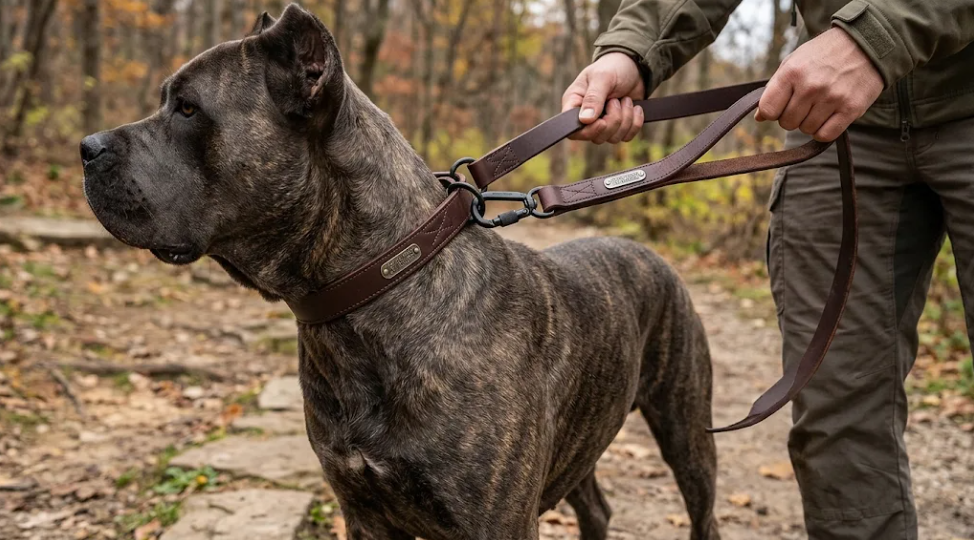
Strategic Physical Positioning: A protective dog deliberately steps between you and an approaching stranger or unfamiliar animal, placing their body as a physical barrier while remaining focused on the potential threat.
-
Alert, Focused Body Language: Genuine protection is marked by a confident, upright posture, erect ears, direct eye contact with the perceived danger, and a controlled, low-frequency bark or growl without frantic lunging.
-
Checking In for Handler Guidance: A well-balanced protective dog continuously looks back at you or senses your emotional cues, waiting for your feedback before escalating or relaxing.
-
Persistent Vigilance in Unfamiliar Environments: When walking in unfamiliar or dark areas, a protective companion maintains a heightened state of awareness, scanning surroundings while staying close by your side.
What Are Signs Your Dog Is Protecting You?: Protection vs. Fear and Resource Guarding
Understanding What Are Signs Your Dog Is Protecting You? also requires identifying the crucial differences between healthy protective instincts and unhealthy behavioral problems like possessive resource guarding or fear reactivity.
Distinguishing Behavioral Traits:
-
True Protection (Confident & Controlled): The dog acts out of loyalty to keep you safe. Body posture is strong and balanced, and the dog relaxes immediately once you signal that the situation is safe.
-
Resource Guarding (Possessive & Anxiety-Driven): The dog views you as a high-value item or commodity to be claimed. They may snap or growl if anyone—including family members—approaches you, driven by possessive anxiety rather than calm loyalty.
-
Fear Reactivity (Frantic & Out of Control): Fearful dogs bark frantically, lunge, or snap with tucked tails and wide eyes because they feel threatened themselves, rather than making a calm, deliberate choice to guard you.
Direct Comparison: True Protection vs. Resource Guarding and Fear Reactivity
To help you answer What Are Signs Your Dog Is Protecting You?, review this direct comparative breakdown of canine motivations, physical cues, and handler control:
| Behavioral Category | Primary Motivation | Body Language Cues | Response to Handler Commands |
| True Protection | Loyalty & Safety | Upright, Calm, Strategic Barrier | Relaxes Immediately on Cue |
| Resource Guarding | Possessiveness / Anxiety | Tense, Rigid, Snapping at Family | Resistant, Fixated on Possessiveness |
| Fear Reactivity | Personal Fear / Threat | Frantic Lunging, Tucked Tail, Whites of Eyes | Unresponsive / Over-Threshold |
Exploring Breeds and Finding the Ideal Match
While exploring questions like What Are Signs Your Dog Is Protecting You? highlights protective behavior, evaluating overall breed suitability ensures a safe match for your living space. If you are researching specific purebred working traits or alternative family companions, explore our comprehensive breed database category to understand how different working, herding, and guard breeds behave in domestic settings.
For families seeking wonderful, gentle companions that naturally thrive in household settings, review our expert recommendations in our detailed guide on top dog breeds for families. Conversely, understanding which high-drive working animals require specialized handling and socialization is equally vital; review our analysis of the worst dog breeds for families with toddlers.
Practical Rules for Managing Protective Behavior Safely
To ensure your dog’s natural protective instincts remain controlled, safe, and positive, follow these essential management guidelines:
-
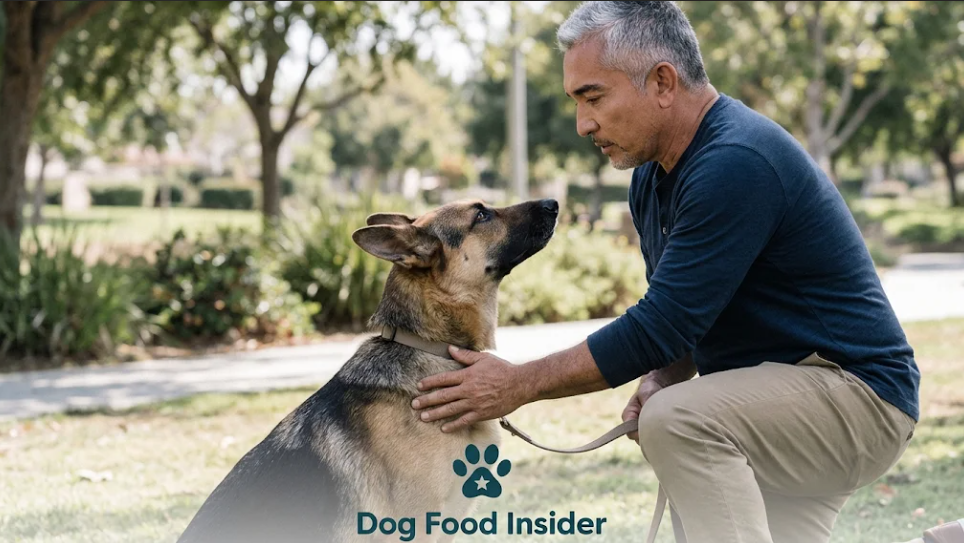
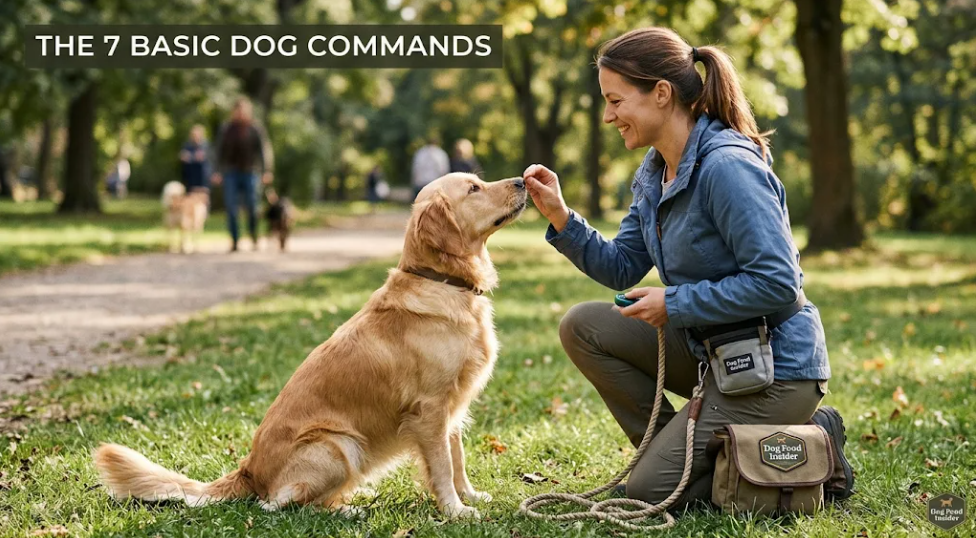
Establish Clear Handler Leadership: Train firm obedience commands—such as “leave it,” “sit,” and “heel”—so your dog trusts you to handle potential threats.
-
Prioritize Early Socialization: Expose your dog to diverse people, environments, and animals during puppyhood so they learn to accurately differentiate normal social interactions from real threats.
-
Address Possessive Guarding Early: Consult a certified professional canine trainer if your dog exhibits possessive aggression toward family members or friends entering your home.
Nutritional Needs to Support Cognitive Health and Emotional Balance
Providing balanced, species-appropriate nutrition rich in clean animal proteins, essential omega-3 fatty acids (EPA/DHA) for cognitive health, and B-vitamins for nervous system regulation supports emotional stability and focus in active dogs. Before establishing your dog’s feeding routine, explore our complete guide on raw meat feeding for dogs to evaluate balanced diet options.
Share Your Insights or Reach Out to Our Team
Has your dog ever demonstrated true protective behavior? We welcome expert veterinary insights, behaviorist tips, and guest contributions. If you are passionate about canine behavior and working dog training, feel free to write for us and share your expertise with our growing community.
Have specific questions about canine protective traits or behavioral nutrition? Contact us today to connect with our editorial team.
Why Choose Dog Food Insider for Canine Guidance?
At Dog Food Insider, we prioritize science-backed canine care and honest behavioral advice to help you make informed decisions for your pet’s wellbeing.
Before working on protective training or managing behavioral issues in your dog, explore our complete feeding guides to ensure your pet thrives throughout life. Looking for tailored guidance for your canine companion? Visit Dog Food Insider today to access expert nutrition calculators, behavioral insights, and personalized advice to keep your family thriving.



Leave a Reply