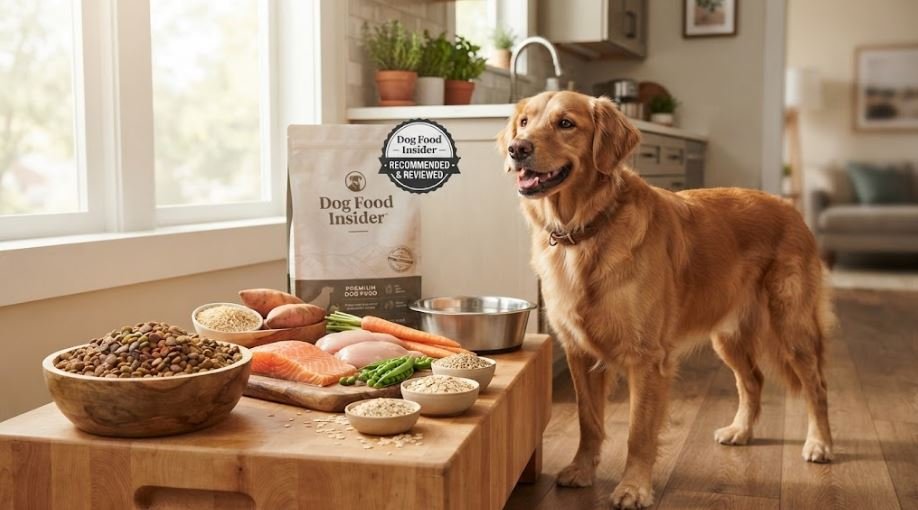
The best kibble to feed your dog depends on their age, breed size, health condition, and life stage. While no single brand fits every pet, veterinarian-recommended formulas from Royal Canin, Hill’s Science Diet, Purina Pro Plan, and Orijen lead the market for their rigorous clinical trials, AAFCO compliance, and balanced nutritional standards.
Selecting the top dry dog food options requires looking beyond marketing claims like “grain-free” or “human-grade” and focusing on feeding trials, protein sources, and nutrient digestibility. At Dog Food Insider, our evaluation framework prioritizes manufacturer transparency, board-certified veterinary nutritionist formulation, and safety recall histories.
Key Factors When Choosing High-Quality Dry Dog Food
When evaluating nutritiously balanced kibble brands, look for these core criteria:
-
AAFCO Adequacy Statement: Ensure the bag states that the food is formulated to meet nutritional levels established by the Association of American Feed Control Officials (AAFCO) for “Growth,” “Maintenance,” or “All Life Stages.”
-
Named Animal Proteins: The first ingredient should ideally be a whole named protein (e.g., deboned chicken, salmon, beef) or a concentrated meat meal rather than unspecified “meat by-products.”
-
Life Stage and Size Specificity: Puppies, senior dogs, small breeds, and giant breeds have drastically different caloric, calcium, and phosphorus requirements.
-
WSAVA Compliance: Look for brands that employ full-time veterinary nutritionists and conduct peer-reviewed feeding studies following World Small Animal Veterinary Association guidelines.
Best Kibble Brands Recommended by Nutritionists
Different dogs require different formulations. Here is how the top-tier kibble brands break down by specific health need:
| Brand | Best For | Core Highlight |
| Purina Pro Plan | Active Dogs & Sensitive Stomachs | Fortified with live probiotics and highly digestible real protein. |
| Hill’s Science Diet | Weight Management & Digestion | Precise biology-based formulas tailored to specific life stages. |
| Royal Canin | Breed-Specific & Prescription Needs | Custom kibble shape and targeted nutrient profiles for individual breeds. |
| Orijen / Acana | High-Protein & Biologically Appropriate | High ratios of fresh and raw whole-prey animal ingredients. |
Grain-Free vs. Grain-Inclusive Kibble: What You Need to Know
A common misconception among dog owners is that grains are harmful or act as empty fillers. Unless your veterinarian has diagnosed a specific grain allergy through an elimination diet, healthy whole-grain dog food—containing brown rice, oatmeal, or barley provides essential fiber, vitamins, and energy.
Additionally, the FDA has previously investigated potential links between grain-free diets high in legumes (peas, lentils, chickpeas) and Dilated Cardiomyopathy (DCM) in dogs. Consult your vet before switching your pet to an entirely grain-free diet.
How to Safely Transition Your Dog to a New Kibble
Changing your dog’s diet too quickly can trigger severe gastrointestinal upset, diarrhea, and vomiting. When switching to a recommended canine diet formula, follow a gradual 7-to-10-day transition schedule:
-
Days 1–3: 75% old kibble + 25% new kibble
-
Days 4–6: 50% old kibble + 50% new kibble
-
Days 7–9: 25% old kibble + 75% new kibble
-
Day 10: 100% new kibble
Why Trust Dog Food Insider for Your Canine’s Nutrition?
Choosing the right dog food can feel overwhelming with thousands of products competing for your attention. At Dog Food Insider, we analyze ingredient safety, manufacturing standards, and clinical evidence without commercial bias to help you make informed decisions for your pet’s long-term health.
Looking for an in-depth analysis of specific ingredients or prescription diets? Explore our comprehensive reviews and expert guides on canine nutritional requirements to keep your dog thriving at every stage of life.