
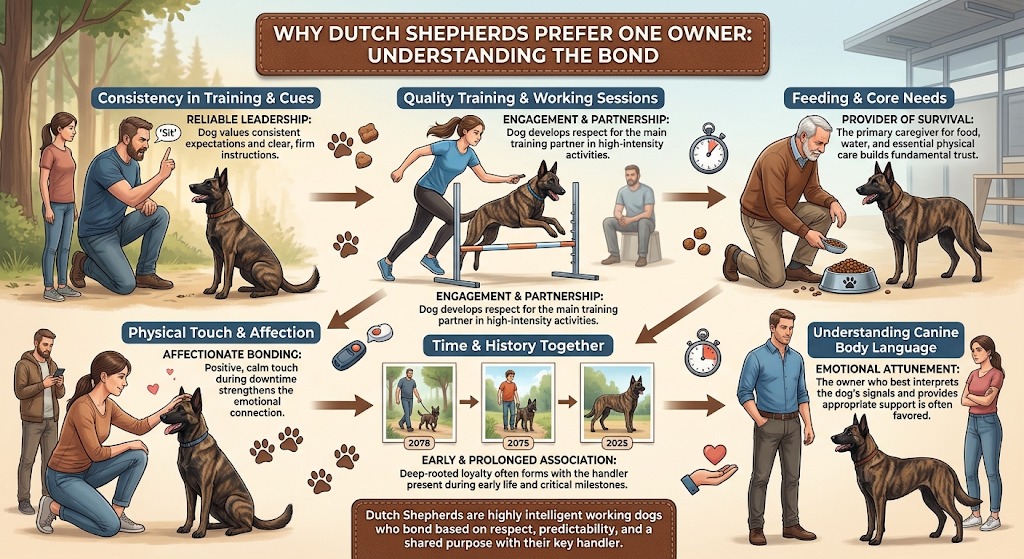
When exploring Why Do Dutch Shepherds Prefer One Owner Over Another?, Dutch Shepherds are intelligent, high-drive working dogs that often form a deep, primary attachment to a single person in a household. Rather than loving everyone equally, they tend to select a favorite owner based on specific psychological, behavioral, and leadership traits.
When working handlers, multi-person households, and shepherd enthusiasts search for guidance on Why Do Dutch Shepherds Prefer One Owner Over Another?, evaluating working-line partnership genetics, daily care anchoring, communication clarity, and multi-handler balance protocols ensures that families foster respectful loyalty toward everyone without creating unhealthy handler dependency. At Dog Food Insider, we follow evidence-based canine behavioral models and working breed standards (supported by guidelines from organizations like the American Kennel Club) to help you understand your Dutch Shepherd’s attachment patterns, establish household harmony, and support long-term canine health.
Why Do Dutch Shepherds Prefer One Owner Over Another?: Working Lineage and Leadership Psychology
When evaluating Why Do Dutch Shepherds Prefer One Owner Over Another?, looking into centuries of Dutch farm and herding history reveals why these dogs are genetically wired to lock onto one clear leader.
Core Reasons a Dutch Shepherd Selects a Primary Handler:
-
Historical One-Handler Working Partnership: Originally bred as versatile farm dogs in the Netherlands to herd livestock, pull carts, and guard property alongside a single farmer, Dutch Shepherds evolved to read subtle cues from one primary partner.
-
Respect for Clear, Predictable Leadership: High-intelligence working dogs feel safest with the household member who provides calm direction, enforces consistent boundaries, and remains emotionally steady under pressure.
-
Association with High-Value Drive Fulfillment: The person who regularly engages the dog in structured tug play, obedience drills, tracking, or vigorous outdoor exercise becomes the focal point of their working drive.
-
Daily Routine and Care Anchoring: Dogs naturally bond most intensely with the person who manages primary daily resources—such as morning feeding, bathroom walks, and training rewards.
-
Compatibility of Personal Energy: A Dutch Shepherd will gravitate toward a handler whose physical energy and vocal tone match their focus, often preferring calm assertiveness over chaotic or overly loud household members.
Why Do Dutch Shepherds Prefer One Owner Over Another?: Balancing Multi-Person Households
Understanding Why Do Dutch Shepherds Prefer One Owner Over Another? also requires preventing extreme single-person fixation from turning into aloofness or protective guarding against other family members.
Strategies to Encourage Whole-Family Bonding:
-
Rotate Daily Feeding and Training Duties: Have different family members take turns preparing meals, asking for a “sit” before setting the bowl down, and delivering high-value treats.
-
Share Structured Play and Exercise: Ensure secondary handlers engage in short 10-minute tug sessions, fetch games, or leash walks so the shepherd associates fun and work with everyone in the home.
-
Establish Universal Obedience Rules: Every adult and older child in the household must enforce the exact same commands and house rules so the dog respects the entire family unit equally.
Direct Comparison: Single-Owner Attachment Across Working & Family Breeds
To help you answer Why Do Dutch Shepherds Prefer One Owner Over Another?, review this direct comparative breakdown of primary attachment intensity, family warmth, stranger reserve, and multi-handler adaptability:
Exploring Breeds and Finding the Ideal Match
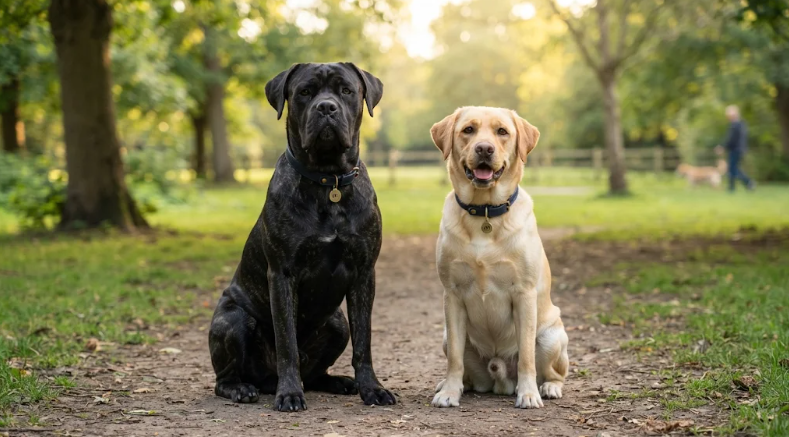
While exploring questions like Why Do Dutch Shepherds Prefer One Owner Over Another? highlights working-breed bonding mechanics, evaluating overall breed suitability ensures a safe match for your household dynamic. If you are researching specific purebred working traits or alternative family companions, explore our comprehensive breed database category to understand how different working, herding, and guard breeds behave in domestic settings.
For families seeking wonderful, gentle companions that naturally distribute affection evenly across parents and children alike, review our expert recommendations in our detailed guide on top dog breeds for families. Conversely, understanding which high-drive herding and guardian animals require specialized leadership and structured multi-person socialization is equally vital; review our analysis of the worst dog breeds for families with toddlers.
Practical Rules for Managing Single-Person Attachment Safely
To ensure your Dutch Shepherd’s deep loyalty remains healthy, balanced, and respectful toward everyone in your home, strictly adhere to these handler guidelines:
-
Interrupt Protective Body-Blocking Immediately: If your shepherd tries to wedge themselves between their favorite person and another family member, calmly redirect them to their bed or “place” mat.
-
Include All Family Members in Puppy Socialization: During the critical 8 to 16-week developmental window, ensure every member of the household handles, grooms, and rewards the puppy positively.
-
Reward Calm Neutrality Around Guests: Teach your shepherd to settle quietly on a designated mat when visitors arrive rather than hovering tensely beside their primary owner.
Nutritional Needs to Fuel Brain Health and Emotional Balance
Providing balanced, species-appropriate working-breed nutrition rich in clean animal proteins, calibrated healthy fats, and essential omega-3 fatty acids (EPA/DHA) supports cognitive clarity, steady focus, and emotional stability in devoted working dogs. Before establishing your dog’s feeding routine, explore our complete guide on raw meat feeding for dogs to evaluate balanced diet options.
Share Your Insights or Reach Out to Our Team
Who did your Dutch Shepherd choose as their favorite person in your home? We welcome expert working handler insights, trainer tips, and guest contributions. If you are passionate about shepherd psychology and working dog partnerships, feel free to write for us and share your expertise with our growing community.
Have specific questions about Dutch Shepherd bonding behavior or working breed nutrition? Contact us today to connect with our editorial team.
Why Choose Dog Food Insider for Canine Guidance?
At Dog Food Insider, we prioritize science-backed canine care and honest behavioral advice to help you make informed decisions for your pet’s wellbeing.
Before introducing a high-drive working breed like a Dutch Shepherd into your home, explore our complete feeding guides to ensure your dog thrives throughout life. Looking for tailored guidance for your canine companion? Visit Dog Food Insider today to access expert nutrition calculators, behavioral insights, and personalized advice to keep your family thriving.


Leave a Reply