
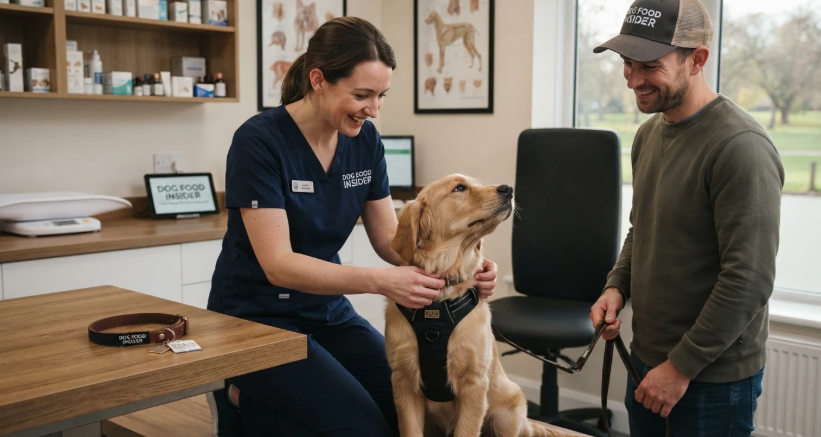
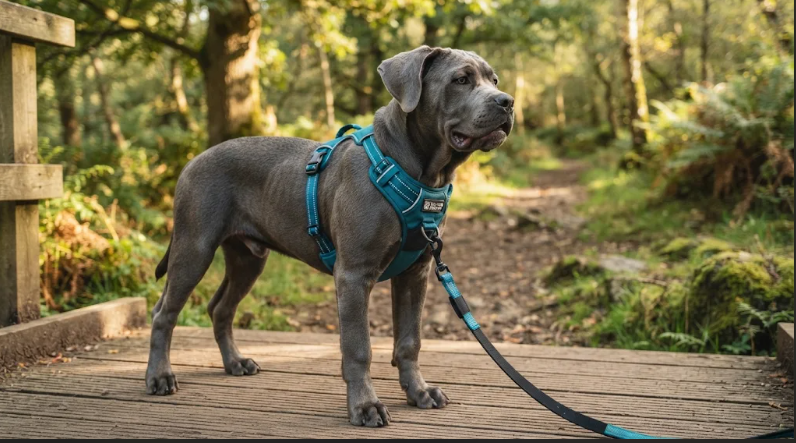
Yes, most veterinarians recommend using a well-fitted harness for walking your dog on a leash, paired with a flat collar solely for holding identification tags. While a traditional collar is safe for calm, loose-leash walkers, harnesses distribute pressure evenly across a dog’s chest and shoulders, preventing severe strain on the neck, trachea, and cervical spine.
However, the safest choice depends on your dog’s specific breed, anatomy, and walking behavior. At Dog Food Insider, our canine wellness guides follow veterinary-backed safety recommendations to help owners choose the best gear for every stage of life.
Common Situations Where Vets Recommend a Harness
Veterinarians frequently advise switching to a front-clip or Y-front harness for:
-
Leash Pullers and Energetic Dogs: Prevents sudden lunging from causing neck trauma or thyroid damage.
-
Brachycephalic (Flat-Faced) Breeds: Protects Pugs, French Bulldogs, and Shih Tzus from restricted airflow and overheating.
-
Toy and Small Breeds: Reduces the risk of tracheal collapse in Chihuahuas, Yorkies, and Pomeranians.
-
Dogs with Neck, Back, or Eye Conditions: Eliminates pressure on the jugular vein, reducing intraocular pressure in dogs prone to glaucoma or IVDD.
-
Puppies in Training: Protects developing bones and soft cartilage from sharp jerks while learning leash manners.
When a Flat Collar Is Still Essential
You should not discard a standard collar entirely, even if you walk your dog with a harness. To keep your pet safe and compliant with local UK microchip and collar laws, veterinary professionals advise using a flat buckle collar for:
-
Identification and Legal Tags: Holding a sturdy ID tag with your surname, address, and contact number whenever your dog is outside.
-
Quick Control Around the Home: Providing an easy, gentle grip if you need to guide your dog indoors or in the garden.
-
Calm, Loose-Leash Walkers: Adult medium-to-large dogs with strong neck muscles that never pull or lunge during walks.
Why Choose Dog Food Insider for Your Dog Care Advice?
While generic pet blogs often offer one-size-fits-all gear advice, our complete canine health and nutrition resource breaks down practical, science-led recommendations tailored to your dog’s breed, size, and daily routine. From expert puppy care and training guides to tailored feeding schedules, we give owners clear answers that keep dogs healthy and comfortable.
Looking for more ways to keep your dog safe, healthy, and well-fed?
Explore trusted dog wellness and nutrition tips today to give your companion the best care at every life stage.









Leave a Reply