
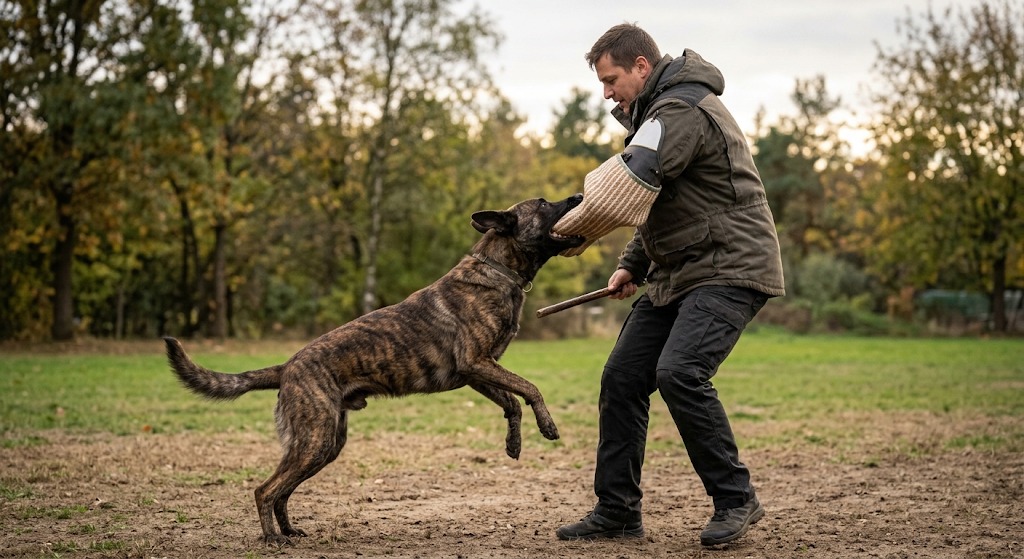
When exploring At What Age Do Dutch Shepherds Become More Aggressive?, Dutch Shepherds typically show an increase in reactivity, territoriality, or protective aggression between 1 and 3 years of age, coinciding with adolescence and social maturity.
When working handlers, active pet owners, and shepherd enthusiasts search for guidance on At What Age Do Dutch Shepherds Become More Aggressive?, evaluating neurological maturation stages, hormonal shifts, genetic guardian instincts, and proactive socialization protocols ensures that owners separate normal working-breed aloofness from dangerous aggression while keeping household environments safe. At Dog Food Insider, we follow evidence-based canine behavioral models and working breed standards (supported by guidelines from organizations like the American Kennel Club) to help you understand your Dutch Shepherd’s behavioral maturation, implement structured boundaries, and support long-term canine health.
At What Age Do Dutch Shepherds Become More Aggressive?: Timeline of Social Maturity
When evaluating At What Age Do Dutch Shepherds Become More Aggressive?, tracking how a working shepherd’s brain and protective instincts develop from puppyhood through full adulthood reveals why behavioral shifts appear during specific age brackets.
Developmental Breakdown of Protective and Reactive Shifts:
-
Puppyhood (8 Weeks to 6 Months): Young Dutch Shepherds are naturally curious, social, and driven by play and mouthiness rather than true territorial aggression. Fear periods around 8 to 11 weeks require calm, positive exposure.
-
Early Adolescence (6 to 12 Months): Sex hormones surge, triggering boundary testing, leash frustration, and secondary fear periods. Dogs may bark more intensely at unfamiliar sights or sounds without displaying full adult territoriality.
-
Social Maturity Window (1 to 3 Years): This is the critical period when protective instincts, territorial guarding, and same-sex intolerance solidify. A friendly adolescent may suddenly become suspicious of strangers entering the property or reactive toward unfamiliar dogs.
-
Fully Matured Adulthood (3+ Years): By 36 months of age, a Dutch Shepherd’s temperament is fully established, reflecting the consistency of their early socialization, genetic stability, and handler leadership.
At What Age Do Dutch Shepherds Become More Aggressive?: Protective Drive vs. True Aggression
Understanding At What Age Do Dutch Shepherds Become More Aggressive? requires distinguishing between natural working-breed traits and unstable, dangerous aggression.
Differentiating Breed Traits from Behavioral Dysfunction:
-
Natural Aloofness and Territoriality (Expected Breed Trait): A well-bred Dutch Shepherd is naturally reserved around strangers, alert to perimeter changes, and protective of their family—without lunging uncontrollably when guided by their handler.
-
Fear-Based Reactivity (Under-Socialization): Barking, lunging, or snapping triggered by insecurity when exposed to unfamiliar people, dogs, or chaotic environments due to missed socialization windows.
-
Same-Sex Aggression (SSA): Common in mature working shepherds between 18 and 36 months, where intact or even altered dogs show sharp intolerance toward unfamiliar dogs of the same biological sex.
-
Unprovoked or Unstable Aggression (Red Flag): Offensive biting, resource guarding against household family members, or inability to disengage once a trigger passes—requiring immediate professional behavioral intervention.
Direct Comparison: Behavioral Changes Across Dutch Shepherd Life Stages
To help you answer At What Age Do Dutch Shepherds Become More Aggressive?, review this direct comparative breakdown of age stages, behavioral shifts, primary triggers, and required handler management:
| Life Stage / Age Window | Primary Behavioral Shift | Common Triggers | Recommended Handler Action |
| 8 Weeks – 6 Months (Puppy) | Play mouthing & early fear periods | Novel objects & high-speed play | Broad positive socialization & redirection |
| 6 – 12 Months (Adolescent) | Leash frustration & boundary testing | Other dogs & adolescent hormones | Impulse control & structured obedience |
| 1 – 3 Years (Social Maturity) | Territoriality & protective drive | Property intruders & same-sex dogs | Clear leadership, neutrality & containment |
| 3+ Years (Mature Adult) | Stabilized temperament & vigilance | Direct threats to family/territory | Lifelong reinforcement & mental outlets |
Exploring Breeds and Finding the Ideal Match
While exploring questions like At What Age Do Dutch Shepherds Become More Aggressive? highlights working-breed maturation dynamics, evaluating overall breed suitability ensures a safe match for your living space and family experience level. If you are researching specific purebred working traits or alternative family companions, explore our comprehensive breed database category to understand how different working, herding, and guard breeds behave in domestic settings.
For families seeking wonderful, gentle companions that remain openly friendly toward strangers and other dogs throughout adulthood, review our expert recommendations in our detailed guide on top dog breeds for families. Conversely, understanding which high-drive herding and guardian animals require experienced leadership and strict social management is equally vital; review our analysis of the worst dog breeds for families with toddlers.
Practical Rules to Prevent Aggression During Social Maturity
To ensure your Dutch Shepherd matures into a confident, stable, and controllable adult companion between 1 and 3 years of age, strictly adhere to these handler rules:
-
Prioritize Neutrality Over Dog-Park Socialization: Teach your shepherd to ignore strangers and unfamiliar dogs calmly in public rather than forcing chaotic dog-park interactions that trigger reactivity.
-
Maintain Clear Household Leadership and Structure: Enforce consistent rules around doorways, furniture, feeding, and crate routines so your dog relies on you to assess threats rather than taking control themselves.
-
Deliver Daily Mental and Physical Fulfillment: Provide structured working outlets—such as scent tracking, obedience drills, fetch, or agility—to prevent pent-up drive from turning into frustration-based reactivity.
-
Seek Professional Help Early: If your shepherd begins displaying lunging, hard staring, or territorial snapping around 12 to 24 months, consult a certified working-dog trainer or veterinary behaviorist immediately.
Nutritional Needs to Fuel Brain Health and Emotional Stability
Providing balanced, species-appropriate working-breed nutrition rich in clean animal proteins, calibrated healthy fats, and essential omega-3 fatty acids (EPA/DHA) supports healthy neurological maturation, neurotransmitter balance, and steady emotional resilience during adolescence and adulthood. Before establishing your dog’s feeding routine, explore our complete guide on raw meat feeding for dogs to evaluate balanced diet options.
Share Your Insights or Reach Out to Our Team
How did your Dutch Shepherd’s temperament evolve as they reached social maturity? We welcome expert working handler insights, trainer tips, and guest contributions. If you are passionate about shepherd behavior and working breed development, feel free to write for us and share your expertise with our growing community.
Have specific questions about Dutch Shepherd training or working breed nutrition? Contact us today to connect with our editorial team.
Why Choose Dog Food Insider for Canine Guidance?
At Dog Food Insider, we prioritize science-backed canine care and honest behavioral advice to help you make informed decisions for your pet’s wellbeing.
Before introducing a high-drive working breed like a Dutch Shepherd into your home, explore our complete feeding guides to ensure your dog thrives throughout life. Looking for tailored guidance for your canine companion? Visit Dog Food Insider today to access expert nutrition calculators, behavioral insights, and personalized advice to keep your family thriving.











Leave a Reply