Should I Get a Cane Corso or a German Shepherd?

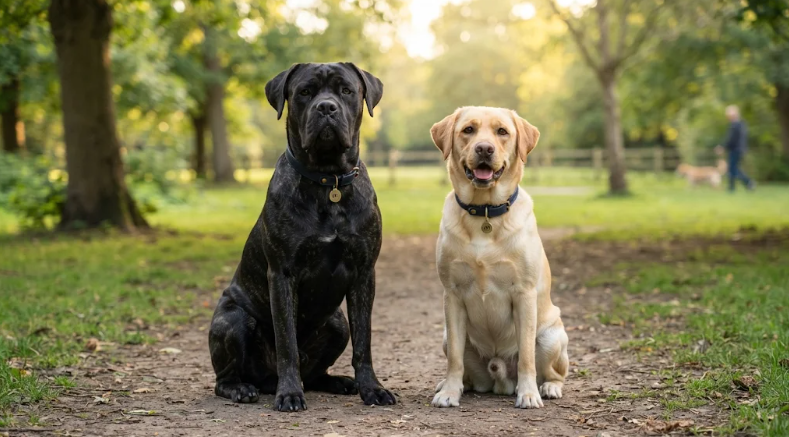
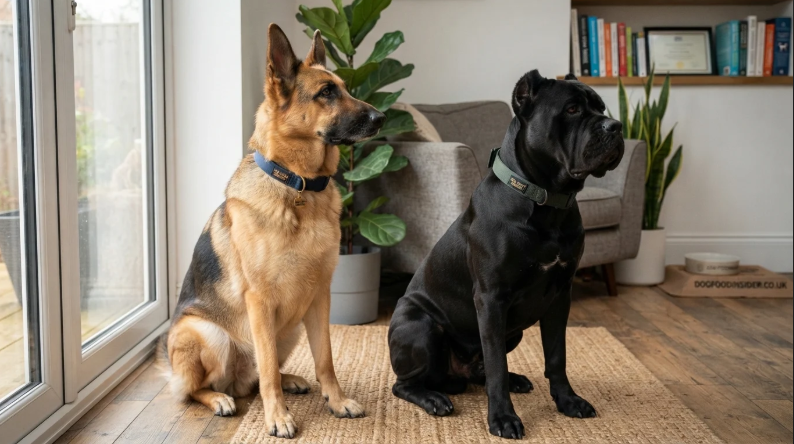
A German Shepherd and a black Cane Corso are sitting side-by-side on a rug indoors. Both dogs wear collars with legible tags, and a dog mat in the background shows the URL "DOGFOODINSIDER.CO.UK".
Choose a German Shepherd if you want an energetic, highly trainable working companion suited for active families, or choose a Cane Corso if you are an experienced owner seeking a calmer, imposing home guardian. While both breeds are loyal protectors, they differ significantly in daily energy needs, trainability, and physical size.
However, both breeds carry massive responsibilities regarding early socialization, joint health, and nutrition. At Dog Food Insider, our breed and nutrition guides follow evidence-based canine care standards to help owners make the right long-term match for their household.

Key Differences: German Shepherd vs. Cane Corso

Understanding their core traits makes it easier to match the right breed to your lifestyle:
  • Trainability and Drive: German Shepherds are eager-to-please workaholics that excel in obedience and agility, whereas Cane Corsos are independent thinkers requiring firm, consistent leadership.

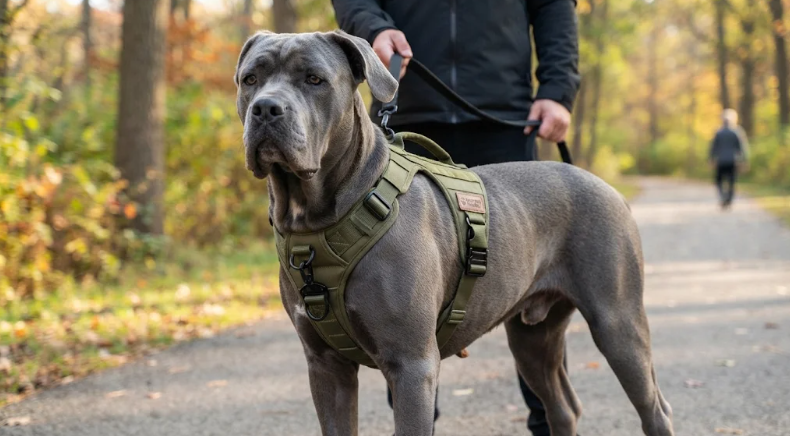
  • Size and Strength: Male Cane Corsos often weigh 90 to 110+ lbs with a heavy mastiff build, while German Shepherds typically range from 65 to 90 lbs with greater agility.

  • Energy and Exercise: German Shepherds demand high-intensity mental and physical stimulation daily; Cane Corsos generally have moderate indoor energy once matured, preferring structured walks and yard patrol.

  • Stranger Reactivity: Both breeds are naturally aloof, though Cane Corsos possess a stronger territorial guarding instinct that requires rigorous early socialization.

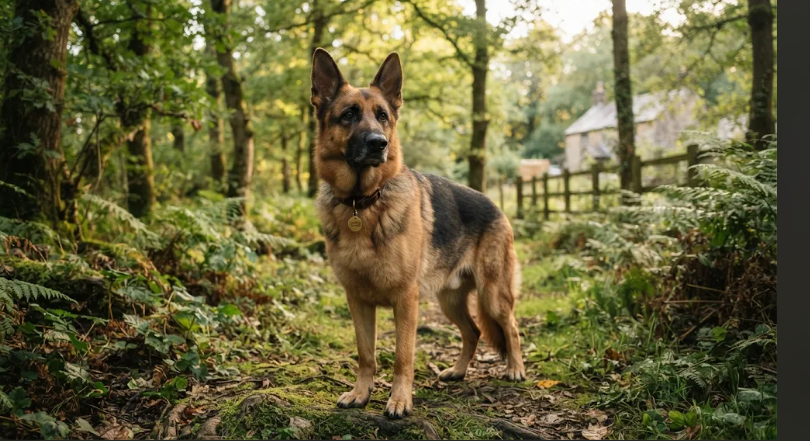
  • Grooming and Shedding: German Shepherds have a dense double coat that sheds heavily year-round, while Cane Corso have a short, low maintenance single coat with minimal shedding.

Lifestyle and Care Requirements: Why Preparation Matters

Neither breed thrives without structured daily routines and breed-appropriate nutrition. To prevent behavioral issues and orthopedic stress, prospective owners should plan for:
  • Early Socialization: Exposing puppies to new environments, people, and dogs before 16 weeks to prevent fear based reactivity.

  • Large-Breed Nutrition: Feeding controlled calcium-to-phosphorus ratios using high-protein large breed dog food to support steady bone growth and protect developing hips and elbows.

  • Daily Mental Enrichment: Using structured obedience drills, scent work, and puzzle feeders especially critical for high drive German Shepherds.

Why Trust Dog Food Insider for Your Breed Research?

While many pet blogs offer surface level breed summaries, Dog Food Insider’s canine care resources prioritize practical, real-world ownership guidance. We break down breed-specific temperament traits, feeding schedules, and preventative health strategies so you can raise a balanced, healthy companion from puppyhood through their senior years.

Still deciding between these two powerhouse breeds?

Explore our complete Cane Corso and large-breed care guides today to compare feeding plans, training milestones, and essential owner tips before bringing your new puppy home.

Leave a Reply

Your email address will not be published. Required fields are marked *