
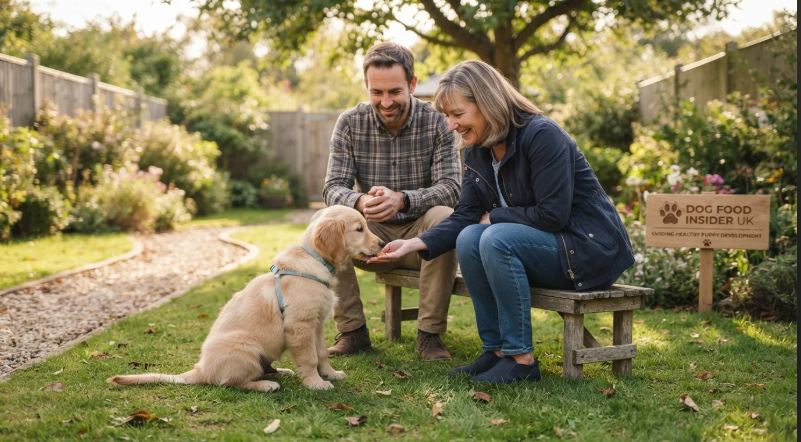
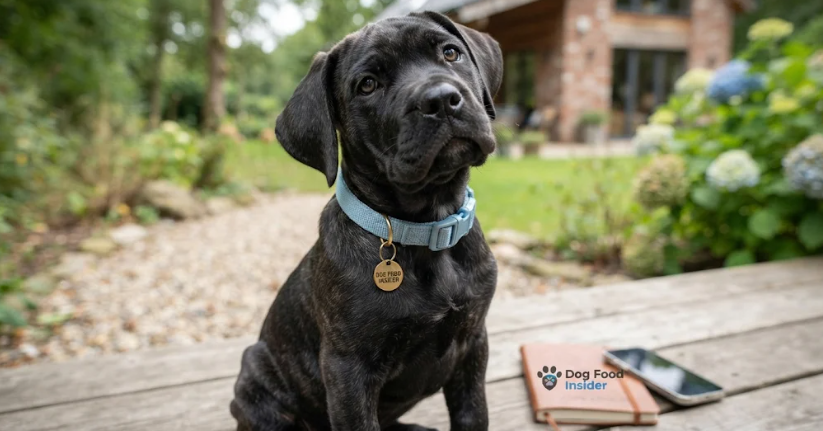
To introduce your puppy to other people safely, start in a quiet, familiar environment, keep interactions brief, and let your puppy approach strangers at their own pace while rewarding calm behavior with high value treats. Forcing a young dog into crowded spaces or allowing strangers to crowd them can trigger fear based reactivity, whereas controlled, positive socialization builds lifelong confidence.
However, effective socialization is about quality rather than the sheer volume of greetings. At Dog Food Insider, we emphasize pairing gradual exposure with proper nutrition and positive reinforcement, so your puppy associates new faces with safety and rewards.
Essential Steps for Puppy Socialization with Strangers
Follow these structured steps to ensure every new introduction remains calm and rewarding:
-
Choose a Low-Distraction Setting: Begin in your own home or a quiet garden where your puppy already feels secure, rather than a busy park or noisy street.
-
Let Your Puppy Initiate Contact: Instruct guests to sit down, turn slightly sideways, and ignore the puppy until your pup voluntarily approaches to sniff.
-
Use High-Value Food Rewards: Have visitors toss tasty treats gently onto the floor near the puppy, creating a positive association without forcing physical touch.
-
Keep Greetings Short and Positive: Limit initial interactions to two or three minutes so your puppy does not become overstimulated or overwhelmed.
-
Avoid Looming or Overhandling: Ask people not to lean directly over the puppy’s head, hug them, or pick them up without warning, as these actions often feel threatening to young dogs.
Reading Your Puppy’s Body Language: Why Pacing Matters
You cannot rush a puppy’s emotional development without risking long-term anxiety. To prevent overwhelm during early puppy training and care, watch closely for subtle stress signals before continuing an introduction:
-
Relaxed Posture: A loose, wiggly body, soft eyes, and a gently wagging tail indicate your puppy is comfortable and ready to interact.
-
Avoidance Behaviors: Turning their head away, hiding behind your legs, or backing up means your puppy needs immediate space.
-
Calming Signals: Frequent lip licking, yawning when not tired, or suddenly sniffing the ground are early signs of mild stress.
-
Freeze or Fear Responses: Tucked tails, pinned-back ears, or a stiff body signal that the interaction must end right away.
Why Use Dog Food Insider for Your Puppy’s Development?
While general training tips often focus solely on obedience, Dog Food Insider connects behavioral milestones with the right nutritional foundation. Choosing the right training treats and balanced puppy diets plays a direct role in focus, gut health, and steady energy levels during socialization sessions. Whether you are raising a sensitive companion or a large guardian breed, our guides break down breed specific nutrition and practical daily routines.
Ready to build a confident, well-socialized companion?
Explore our complete canine nutrition and puppy care resources today to give your puppy the healthiest start in life.


Leave a Reply