

When exploring Can a Dutch Shepherd Be Trusted After It Bites?, no dog that has bitten can ever be 100% trusted, and a working breed like a Dutch Shepherd requires careful, realistic evaluation. Whether a specific Dutch Shepherd can be safely managed depends heavily on the root cause of the bite, its history, and your ability to commit to lifelong management.
When working handlers, active pet owners, and shepherd enthusiasts search for guidance on Can a Dutch Shepherd Be Trusted After It Bites?, evaluating bite thresholds, genetic drive influences, behavioral trigger diagnostics, and strict environmental safety protocols ensures that handlers protect human safety while treating the dog responsibly. At Dog Food Insider, we follow evidence-based canine behavioral models and working breed standards (supported by guidelines from organizations like the American Kennel Club) to help you evaluate bite incidents, establish strict management protocols, and support long-term canine health.
Can a Dutch Shepherd Be Trusted After It Bites?: Root Cause and Intent Evaluation
When evaluating Can a Dutch Shepherd Be Trusted After It Bites?, identifying the exact underlying motivation behind the bite incident determines whether the behavior can be managed or modified.
Analyzing the Root Triggers Behind a Bite:
-
Puppy Mouthiness vs. Adult Aggression: Adolescent mouthing or drive-induced redirected nips during play carry a vastly different prognosis compared to offensive, unprovoked adult bites.
-
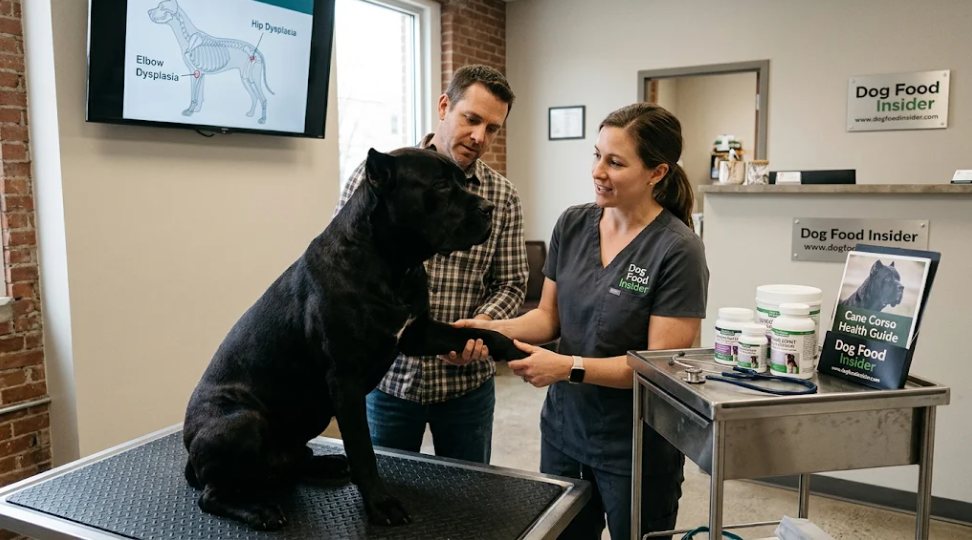
Pain or Medical Discomfort: A sudden, out-of-character bite caused by physical pain (such as hip dysplasia, severe ear infections, or dental damage) often resolves completely once the underlying medical issue is treated.
-
Fear-Based Defensive Aggression: If a dog bites because it feels cornered, trapped, or physically threatened, handler management focuses on desensitization and removing threat triggers.
-
Resource or Territorial Guarding: Dutch Shepherds with unmanaged guarding traits may bite to defend food, space, or handlers; managing this requires strict environmental controls and professional modification.
-
High-Drive Prey / Catch Redirection: As intense working dogs bred for protection and herding, a Dutch Shepherd over-aroused during high-speed play or bite-work may accidentally redirect onto a handler.
Can a Dutch Shepherd Be Trusted After It Bites?: The Reality of Lifelong Management
Understanding Can a Dutch Shepherd Be Trusted After It Bites? requires accepting that “fixing” a bite history means implementing lifelong safety boundaries rather than assuming total trust.
Core Management Pillars for a Dog with a Bite History:
-
Basket Muzzle Conditioning: Training your Dutch Shepherd to wear a comfortable, bite-proof basket muzzle during vet visits, walks, and around guests eliminates physical injury risk.
-
Strict Environmental Management: Utilizing double-gate entryways, secure crate setups, and keeping the dog away from high-stress public situations prevents accidental trigger exposure.
-
Professional Veterinary Behaviorist Evaluation: Working alongside a certified board-certified veterinary behaviorist (DACVB) or professional working-dog trainer provides an objective, unbiased safety assessment.
Direct Comparison: Bite Severity Levels and Prognosis
To help you answer Can a Dutch Shepherd Be Trusted After It Bites?, review this direct comparative breakdown of bite severity (based on Dr. Ian Dunbar’s Bite Scale), underlying triggers, management complexity, and safety prognosis:
| Bite Severity Level | Primary Trigger / Motivation | Required Management Protocol | Safety & Trust Prognosis |
| Level 1–2 (Air Snap / Skin Nip) | Play over-arousal or teething | Redirection & drive containment | High (With Consistent Training) |
| Level 3 (Single Shallow Puncture) | Fear or severe resource guarding | Basket muzzle & strict boundaries | Moderate (Requires Lifelong Management) |
| Level 4–5 (Deep Punctures / Multiple Bites) | Offensive territorial / Severe aggression | Extreme containment / Professional evaluation | Poor / High Risk (Cannot Be 100% Trusted) |
Exploring Breeds and Finding the Ideal Match
While exploring questions like Can a Dutch Shepherd Be Trusted After It Bites? highlights high-drive safety evaluation, assessing overall breed suitability ensures a safe match for your living space. If you are researching specific purebred working traits or alternative family companions, explore our comprehensive breed database category to understand how different working, herding, and guard breeds behave in domestic settings.
For families seeking wonderful, gentle companions that naturally thrive in household settings with easygoing indoor traits, review our expert recommendations in our detailed guide on top dog breeds for families. Conversely, understanding which high-drive guardian and herding animals require specialized handling and physical containment is equally vital; review our analysis of the worst dog breeds for families with toddlers.
Practical Rules for Handling a Dutch Shepherd with a Bite History
If you are managing a Dutch Shepherd that has displayed biting behavior, strictly adhere to these essential handler safety rules:
-
Never Leave the Dog Unsupervised Around Children or Guests: Children make unpredictable movements and loud noises that can trigger working-dog prey or defensive responses.
-
Institute Muzzle Safety in Public Spaces: Always use a properly fitted basket muzzle whenever your dog is outside your secure home or private yard.
-
Avoid Physical Punishment or Confrontational Force: Using alpha rolls or physical violence increases fear and arousal, drastically elevating the risk of defensive bites.
Nutritional Needs to Fuel Brain Health and Emotional Stability
Providing balanced, species-appropriate working-breed nutrition rich in clean animal proteins, stable healthy fats, and essential omega-3 fatty acids (EPA/DHA) supports joint health, cognitive function, and emotional stability in reactive working dogs. Before establishing your dog’s feeding routine, explore our complete guide on raw meat feeding for dogs to evaluate balanced diet options.
Share Your Insights or Reach Out to Our Team
How do you manage high drive and reactivity in your working shepherd? We welcome expert working handler insights, trainer tips, and guest contributions. If you are passionate about working dog behavior and rehabilitation, feel free to write for us and share your expertise with our growing community.
Have specific questions about Dutch Shepherd training or working breed nutrition? Contact us today to connect with our editorial team.
Why Choose Dog Food Insider for Canine Guidance?
At Dog Food Insider, we prioritize science-backed canine care and honest behavioral advice to help you make informed decisions for your pet’s wellbeing.
Before introducing a high-drive working breed like a Dutch Shepherd into your home, explore our complete feeding guides to ensure your dog thrives throughout life. Looking for tailored guidance for your canine companion? Visit Dog Food Insider today to access expert nutrition calculators, behavioral insights, and personalized advice to keep your family thriving.











Leave a Reply