
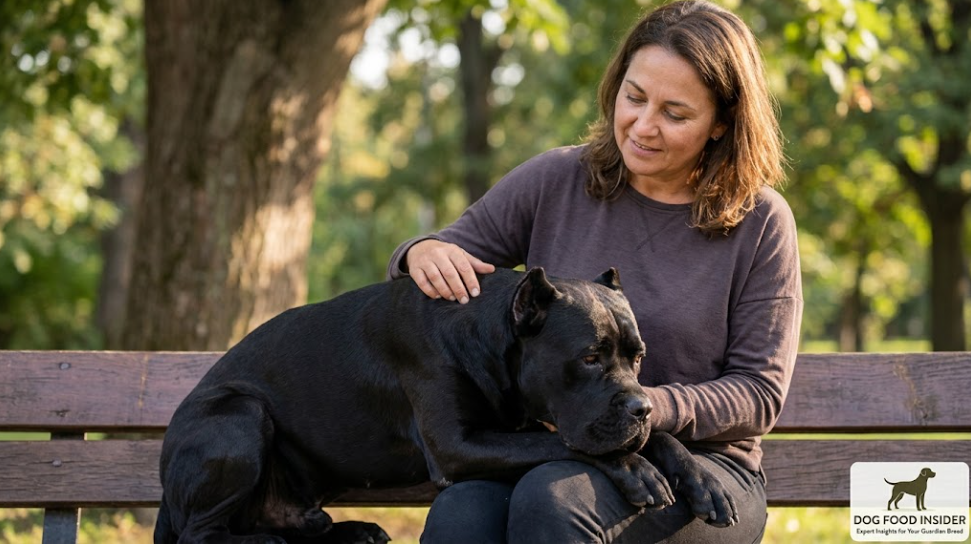
No, Cane Corsos do not randomly “turn on” or betray their owners without a root cause. As a powerful guardian breed, a Cane Corso’s behavior is rooted in genetics, socialization, training, and environment. When a dog exhibits sudden aggression, there is almost always an underlying trigger such as unrecognized medical pain, fear, improper handling, lack of early socialization, or a breakdown in boundaries.
However, because of their immense strength and protective instincts, these dogs demand experienced ownership. At Dog Food Insider, our canine care experts emphasize that proactive training and proper breed management ensure a well-adjusted, loyal companion.
Common Factors Behind Aggression in Cane Corsos
Sudden or problematic aggressive behavior in guard dogs typically stems from:
-
Untreated Medical Issues or Pain: Hidden injuries, hip dysplasia, neurological issues, or sudden illness can cause a dog to react defensively when touched.
-
Lack of Socialization and Training: Failing to expose a puppy to various people, animals, and environments can lead to fear-based reactivity later in life.
-
Inconsistent Leadership and Boundaries: Permitting improper dominance behaviors or using harsh, punitive training methods can create confusion and defensive aggression.
-
Resource Guarding: Inadequate training regarding high-value items like food, toys, or sleeping areas can trigger protective guarding responses.
-
Genetic Predisposition: Poor breeding practices from unverified kennels can sometimes introduce unstable temperaments into the lineage.
The Behavioral Assessment Process: Why Professional Evaluation is Required
You cannot fix deep-seated aggression or sudden behavioral changes without a comprehensive root-cause analysis. To ensure safety and properly address behavioral challenges, our canine care team at Dog Food Insider recommends consulting certified veterinary behaviorists or professional trainers who may perform:
-
Veterinary Health Examination: Comprehensive bloodwork and physical diagnostics to rule out underlying pain or hormonal imbalances.
-
Environmental Assessment: Reviewing daily routines, household stressors, and potential triggers in the dog’s living space.
-
Behavioral History Review: Analyzing the dog’s developmental milestones, past trauma, and specific triggers that provoke defensive responses.
Why Choose Proper Guidance and Nutrition for Your Cane Corso?
While training and socialization are the foundation of a stable temperament, overall physical well-being plays a critical role in canine mood regulation. Proper nutrition supports optimal brain function, reduces systemic inflammation, and keeps your dog calm and focused. To learn more about selecting the right diet to fuel your guardian breed, explore our comprehensive guide on Canine Nutrition Standards. If your dog’s behavioral changes are complex or involve safety risks, we always recommend consulting a qualified professional immediately.
Need expert advice on canine care, nutrition, or breed traits? Visit Dog Food Insider today. We offer evidence-based guides and expert insights to help you raise a happy, healthy, and well-behaved family companion.







Leave a Reply