

When exploring How can I quickly help my dog with separation anxiety?, true separation anxiety is a panic response that takes weeks or months of desensitization to truly cure, you cannot fix it overnight. However, you can take immediate steps today to lower your dog’s distress and keep them safe while you start a proper training plan.
When prospective pet owners, working handlers, and anxious-dog caregivers search for guidance on How can I quickly help my dog with separation anxiety?, evaluating immediate management interventions, departure cue desensitization, environmental enrichment protocols, and veterinary support options ensures that handlers prevent self-injury and reduce canine stress rapidly. At Dog Food Insider, we follow evidence-based canine behavioral models and veterinary neuro-behavioral standards (supported by guidelines from organizations like the American Kennel Club) to help you manage separation panic, establish calming home routines, and support long-term canine health.
How can I quickly help my dog with separation anxiety?: Immediate Management Action Steps
When evaluating How can I quickly help my dog with separation anxiety?, implementing immediate lifestyle modifications today lowers baseline stress before embarking on long-term behavioral desensitization.
Immediate Tactical Steps You Can Take Today:
-
1. Neutralize Departure Cues: Dogs pick up on departure triggers long before you walk out the door—such as grabbing keys, putting on shoes, or picking up a coat. Pick up your keys or put on your coat randomly throughout the day without leaving, breaking the link between these cues and your departure.
-
2. Make Departures and Arrivals Completely Low-Key: Never engage in emotional goodbyes or high-energy greetings. When leaving or returning, remain calm, quiet, and neutral for the first 5 minutes to signal that departures are non-event routines.
-
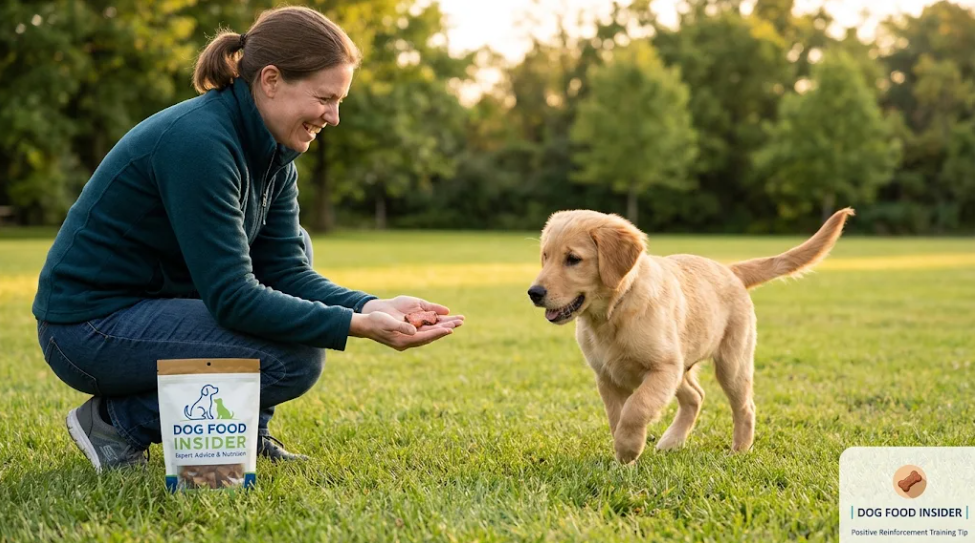
3. Utilize High-Value Occupation Toys: Give your dog a frozen peanut butter KONG, snuffle mat, or long-lasting lick mat 5 minutes before leaving. Licking and chewing release endorphins that naturally lower heart rate and cortisol levels.
-
4. Provide Scent Comfort and Background Sound: Leave an unwashed t-shirt carrying your scent in their sleeping area, and play calm classical music or white noise to muffle alarming outside noises.
How can I quickly help my dog with separation anxiety?: Short-Term Support vs. Long-Term Desensitization
Understanding How can I quickly help my dog with separation anxiety? requires recognizing the difference between immediate symptom suppression and long-term behavioral modification.
Comparing Management Strategies:
-
Immediate Relief Measures (Day 1 to Week 2): Using calming supplements, doggy daycare, pet sitters, frozen enrichment chews, and low-key exits to manage panic symptoms without leaving the dog alone past their tolerance threshold.
-
Sub-Threshold Desensitization (Long-Term Plan): Step-by-step micro-absences starting at just 5 seconds, gradually expanding alone time only while the dog remains totally calm and relaxed.
Direct Comparison: Separation Anxiety Relief Techniques
To help you answer How can I quickly help my dog with separation anxiety?, review this direct comparative breakdown of immediate intervention tactics, implementation ease, stress reduction impact, and long-term effectiveness:
| Anxiety Relief Technique | Implementation Speed | Immediate Distress Reduction | Long-Term Behavioral Cure | Recommended Handler Action |
| Departure Cue Desensitization | Immediate (Day 1) | High (Lowers Pre-Departure Panic) | High (Core Training Element) | Practice key touches without leaving |
| Frozen Lick / Chew Puzzles | Immediate (Day 1) | Moderate to High | Low (Management Tool Only) | Offer 5 mins before leaving |
| Mid-Day Sitter / Daycare | Fast (1–2 Days) | Extreme (Prevents Alone Time) | Moderate (Avoids Traumatic Relapses) | Utilize during training phases |
| Verbal Scolding / Punishing | Avoid Completely | Zero (Worsens Anxiety) | Severe Damage / Increased Panic | Never Punish Separation Panic |
Exploring Breeds and Finding the Ideal Match
While exploring questions like How can I quickly help my dog with separation anxiety? highlights emotional care strategies, evaluating overall breed suitability ensures a safe match for your living space and daily schedule. If you are researching specific purebred working traits or alternative family companions, explore our comprehensive breed database category to understand how different working, herding, and guard breeds behave in domestic settings.
For families seeking wonderful, gentle companions that naturally thrive in household settings and build balanced emotional resilience, review our expert recommendations in our detailed guide on top dog breeds for families. Conversely, understanding which high-drive or sensitive working animals require specialized exercise restriction and structured alone-time conditioning is equally vital; review our analysis of the worst dog breeds for families with toddlers.
Practical Rules for Managing Separation Anxiety Crises
To protect your dog’s safety and accelerate emotional recovery during separation anxiety management, strictly adhere to these core rules:
-
Never Punish Anxiety Behaviors: Never scold or physically correct a dog for chewing, digging, barking, or having accidents while you were away; punishment increases panic and fear.
-
Avoid Leaving the Dog Past Their Panic Threshold: During early desensitization, utilize doggy daycare, family assistance, or work-from-home options to avoid leaving your dog alone long enough to trigger full panic.
-
Consult a Veterinary Professional for Severe Panic: If your dog engages in destructive self-injury, window-breaking, or non-stop howling, consult a veterinary behaviorist to evaluate calming supplements or short-term anti-anxiety medications.
Nutritional Needs to Support Neurological Health and Emotional Stability
Providing balanced, species-appropriate canine nutrition rich in clean animal proteins, stable healthy fats, L-theanine, and essential omega-3 fatty acids (EPA/DHA) supports brain chemistry, neurological stability, and stress regulation. Before establishing your dog’s feeding routine, explore our complete guide on raw meat feeding for dogs to evaluate balanced diet options.
Share Your Insights or Reach Out to Our Team
What immediate steps helped lower your dog’s separation anxiety? We welcome expert veterinary insights, trainer tips, and guest contributions. If you are passionate about canine emotional health and behavioral modification, feel free to write for us and share your expertise with our growing community.
Have specific questions about separation anxiety protocols or canine nutrition? Contact us today to connect with our editorial team.
Why Choose Dog Food Insider for Canine Guidance?
At Dog Food Insider, we prioritize science-backed canine care and honest behavioral advice to help you make informed decisions for your pet’s wellbeing.
Before introducing a new dog into your home, explore our complete feeding guides to ensure your dog thrives throughout life. Looking for tailored guidance for your canine companion? Visit Dog Food Insider today to access expert nutrition calculators, behavioral insights, and personalized advice to keep your family thriving.








Leave a Reply