

When learning How to Train a Dog to Behave Around Children, to train a dog to behave safely and calmly around children, use positive reinforcement, establish clear boundaries, and practice gradual desensitization as outlined by leading veterinary behaviorists.
When parents search for guidance on How to Train a Dog to Behave Around Children, having clear, science-backed behavioral steps ensures household safety and prevents avoidable bite risks. At Dog Food Insider, we follow evidence-based veterinary behavior principles (supported by standards from organizations like the American Kennel Club) to help you guide your dog into becoming a reliable, gentle companion for your children.
How to Train a Dog to Behave Around Children: Core Foundation Commands
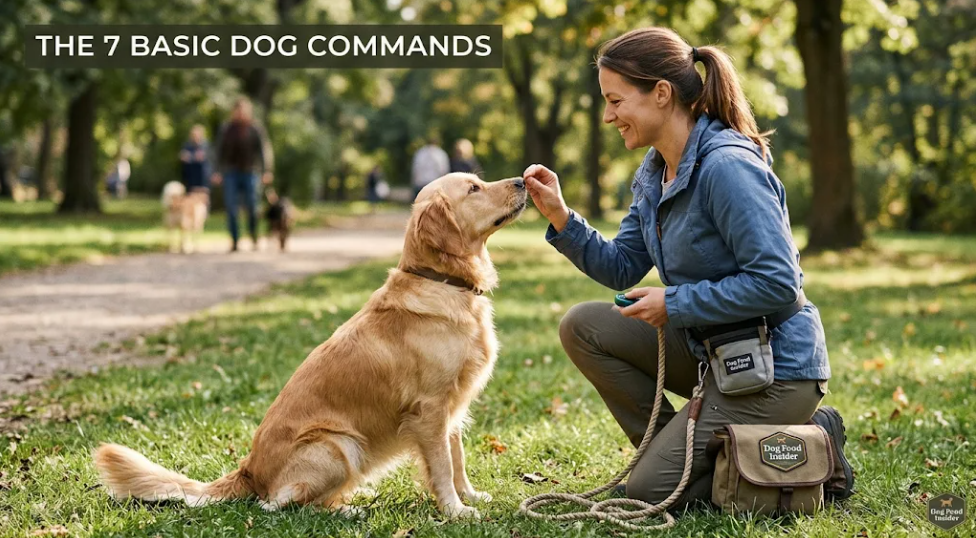
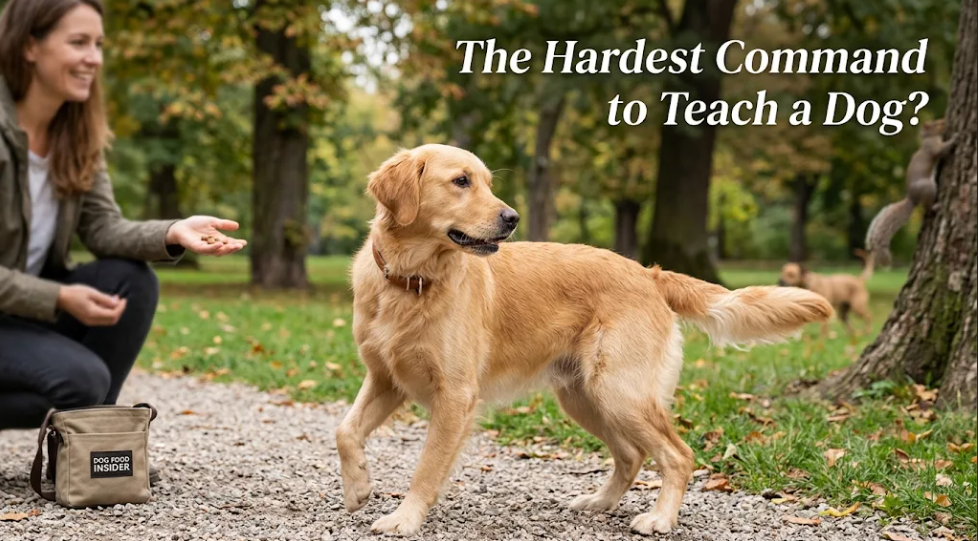
Mastering How to Train a Dog to Behave Around Children begins with instilling reliable impulse-control commands. A dog that can pause on cue remains safe during fast-paced play, sudden noises, or chaotic child movement.
Essential Obedience Commands for Kid Safety:
-
Solid “Sit-Stay” and “Down-Stay”: Prevents excited jumping when kids run into the room or come home from school.
-
“Leave It” and “Drop It”: Teaches your dog to disengage immediately from child toys, dropped snacks, or personal items without aggression.
-
“Go to Place” (Mat Training): Directs your dog to a designated bed or mat when kid activity becomes overly intense or chaotic.
-
Gentle Mouth Control (“Take It Nice”): Ensures your dog accepts treats gently without accidental nipping or snatching.
How to Train a Dog to Behave Around Children: Desensitization and Boundaries
Understanding How to Train a Dog to Behave Around Children requires active exposure management and setting firm household boundaries for both the dog and the children.
Key Steps for Safe Integration:
-
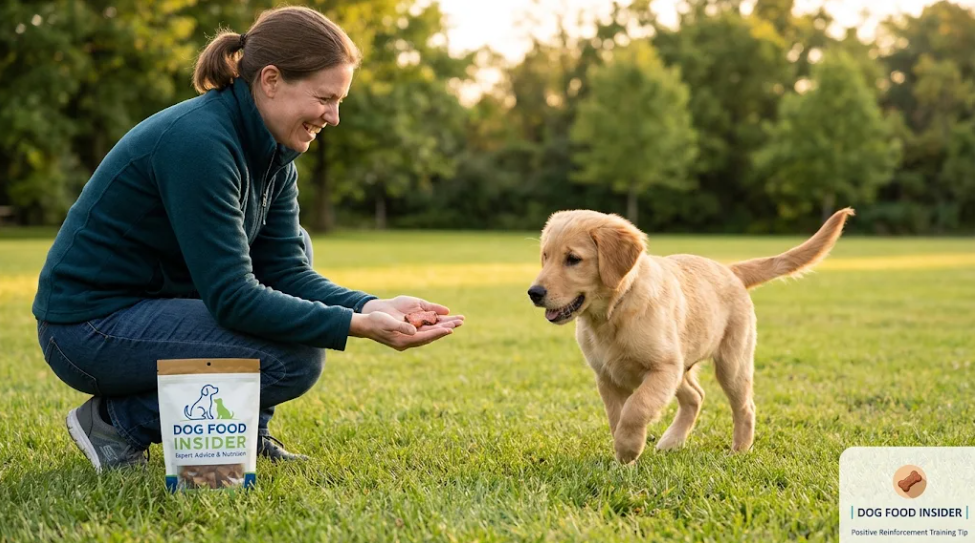
Desensitize to Sudden Sounds and Movements: Reward your dog with high-value treats whenever kids run, laugh loudly, or play nearby so they associate noise with positive outcomes.
-
Establish Safe Decompression Zones: Set up a quiet crate or room equipped with a dog bed where the pet can retreat without being disturbed by kids.
-
Teach Children Dog Etiquette: Educate kids never to disturb a sleeping or eating dog, pull ears or tails, or corner a pet.
-
Always Supervise Active Interactions: Never leave young children and dogs unmonitored, regardless of how friendly or trained the dog appears.
Direct Comparison: Positive Reinforcement vs. Punishment-Based Training
To help you understand How to Train a Dog to Behave Around Children, review this direct comparative breakdown showing why reward-based training is superior for child safety:
| Training Approach | Positive Reinforcement Training | Punishment / Corrections |
| Emotional State | Builds confidence, trust, and willingness | Increases anxiety, fear, and frustration |
| Bite Risk Potential | Significantly reduced (dog feels safe) | Significantly increased (fear-based reactions) |
| Behavior Durability | Long-lasting habits driven by rewards | Temporary compliance driven by fear |
| Child Interaction Safety | Dog views kids as a source of good things | Dog views kids as a source of stress or pain |
| Overall Recommendation | Standard choice recommended by vets | Strictly discouraged in child households |
Exploring Breeds and Finding the Ideal Match
While proper training is essential when discovering How to Train a Dog to Behave Around Children, understanding your dog’s underlying lineage characteristics helps tailor your training plan. If you are researching specific purebred traits or shelter mixes, explore our comprehensive breed database category to understand how different working, herding, and companion breeds behave in domestic settings.
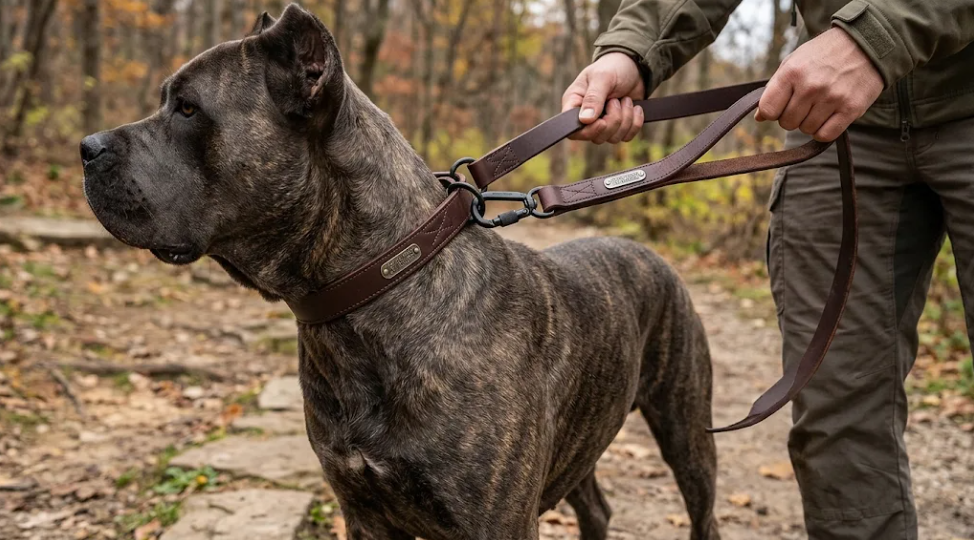
For families seeking wonderful, gentle companions that naturally thrive in child-centric homes, review our expert recommendations in our detailed guide on top dog breeds for families. Conversely, understanding which animals to avoid in chaotic toddler homes is equally vital; review our analysis of the worst dog breeds for families with toddlers.
Recognizing Canine Stress Signals Around Children
An essential part of training involves reading subtle body language cues that indicate your dog needs a break:
-
Yawning or Lip Licking: Early indicators of mild stress when handling becomes too intense.
-
Whites of Eyes Showing (“Whale Eye”): Signals anxiety or discomfort during close contact.
-
Stiff Body Posture or Head Turning Away: Indicates the dog wants distance and requires immediate parental intervention to move the child away.
Nutritional Needs for Family Dogs in Training
Providing balanced, species-appropriate nutrition supports cognitive focus, brain health, and emotional calm during intensive daily training sessions. Before establishing your feeding routine, explore our complete guide on raw meat feeding for dogs to evaluate balanced diet options.
Share Your Insights or Reach Out to Our Team
Do you have experience training your family dog to interact safely with kids? We welcome expert veterinary insights, success stories, and guest contributions. If you are passionate about canine behavior and wellness, feel free to write for us and share your expertise with our growing community.
Have specific questions about family pet safety or dog behavioral training? Contact us today to connect with our editorial team.
Why Choose Dog Food Insider for Canine Guidance?
At Dog Food Insider, we prioritize science-backed canine behavior and family safety to help you make informed decisions for your pet’s wellbeing.
Before introducing new pets into your household, explore our complete feeding guides to ensure your dog thrives throughout life. Looking for tailored guidance for your canine companion? Visit Dog Food Insider today to access expert nutrition calculators, behavioral insights, and personalized advice to keep your family thriving.



Leave a Reply