

When exploring How to Train a Dutch Shepherd, training a Dutch Shepherd requires firm consistency, early structure, and a clear channel for their high energy and working drive.
When prospective working-dog owners, active handlers, and European shepherd enthusiasts search for guidance on How to Train a Dutch Shepherd, evaluating obedience conditioning, engagement building, impulse control protocols, and mental stimulation channels ensures that these high-drive dogs mature into stable, responsive companions. At Dog Food Insider, we follow evidence-based canine behavioral models and working dog training standards (supported by guidelines from organizations like the American Kennel Club) to help you establish effective handler leadership, direct working energy, and support long-term canine mental health.
How to Train a Dutch Shepherd: Core Pillars of Working Dog Success
When evaluating How to Train a Dutch Shepherd, understanding the fundamental principles that govern high-drive herding and working temperaments is essential before introducing formal commands.
The Three Essential Training Pillars:
-
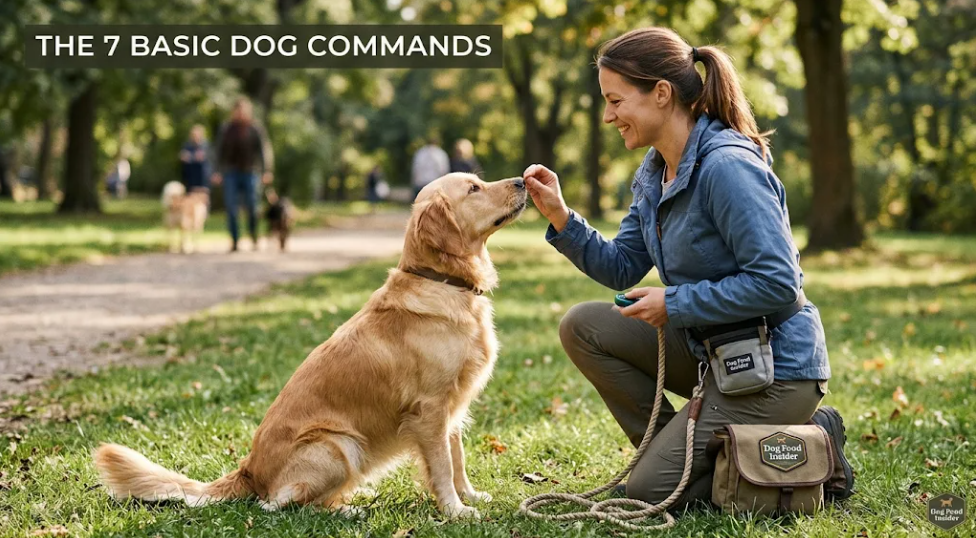
1. High Handler Engagement and Reward Motivation: Dutch Shepherds thrive on handler connection. Using high-value food markers, tug toys, and enthusiastic verbal praise builds intense focus, making training sessions engaging rather than a chore.
-
2. Clear, Unwavering Rules and Boundaries: Because of their intelligence and independent working heritage, Dutch Shepherds quickly test inconsistent boundaries. Enforcing clear household rules from day one prevents bad habits before they start.
-
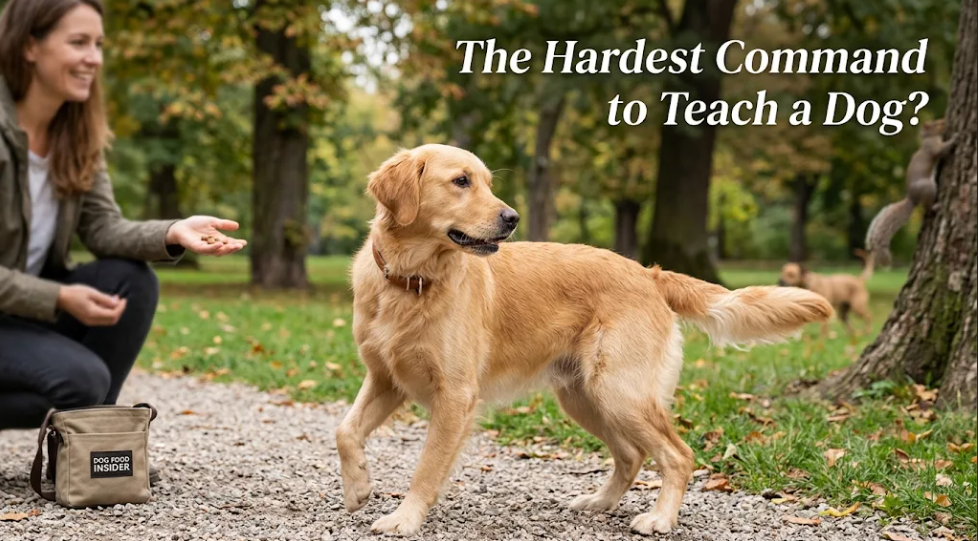
3. Impulse Control from Early Puppyhood: Teaching a high-arousal shepherd to remain calm around movement, novel dogs, and busy environments prevents leash reactivity, boundary frustration, and unchanneled territorial behavior later in life.
How to Train a Dutch Shepherd: Step-by-Step Training Schedule
Understanding How to Train a Dutch Shepherd also requires structuring your training roadmap around developmental age milestones to avoid overwhelming young working minds.
Age-Appropriate Training Roadmap:
-
Puppy Stage (8 to 16 Weeks): Focus on name recognition, housebreaking, crate familiarization, gentle handling, and extensive positive exposure to diverse sights, sounds, and neutral people.
-
Adolescent Stage (4 to 12 Months): Introduce strict leash manners, rapid recall conditioning, “place” stay cues, and impulse control drills around rising distractions.
-
Young Adult Stage (12 to 24 Months): Advance to complex off-leash obedience, tracking, agility, protection sports (such as IGP or KNPV), or specialized scent detection work.
Direct Comparison: Training Requirements Across European Working Breeds
To help you answer How to Train a Dutch Shepherd, review this direct comparative breakdown of training intensity, drive levels, consistency requirements, and recommended handler experience across major working breeds:
| European Working Breed | Training Focus & Style | Working Drive Intensity | Handler Consistency Need | Recommended Handler Level |
| Dutch Shepherd | Engagement & Impulse Control | Very High / High Drive | Extremely High (Strict) | Experienced / Active |
| Belgian Malinois | Precision & High Speed | Extreme / White-Hot | Relentless / Professional | Advanced / Professional |
| German Shepherd | Structured Obedience | High / Balanced | Very High | Intermediate |
| Cavalier King Charles | Gentle / Gentle Reinforcement | Companion Low | Standard | Beginner / Novice |
Exploring Breeds and Finding the Ideal Match
While exploring topics like How to Train a Dutch Shepherd highlights working-dog training protocols, evaluating overall breed suitability ensures a safe match for your living space. If you are researching specific purebred working traits or alternative family companions, explore our comprehensive breed database category to understand how different working, herding, and guard breeds behave in domestic settings.
For families seeking wonderful, gentle companions that naturally thrive in household settings and learn initial routines easily, review our expert recommendations in our detailed guide on top dog breeds for families. Conversely, understanding which high-drive working animals require specialized handling and early structure is equally vital; review our analysis of the worst dog breeds for families with toddlers.
Practical Rules for Everyday Dutch Shepherd Training
To make your daily training sessions effective, predictable, and stress-free, strictly follow these handler rules:
-
Keep Sessions Short and Dynamic: Conduct 3 to 5-minute high-energy training bursts multiple times a day to maintain sharp focus and enthusiasm.
-
End Every Session on a Positive Note: Finish each training sequence with a simple, successful command followed by a play reward so your dog looks forward to the next session.
-
Avoid Heavy Physical Punishment: Harsh methods damage handler trust and trigger defensive reactivity in high-drive working breeds; use fair markers and clear negative markers (such as withholding rewards) instead.
Nutritional Needs to Fuel Mental Focus and Physical Stamina
Providing balanced, species-appropriate nutrition rich in clean animal proteins, stable complex fats, and omega-3 fatty acids supports brain health, mental focus, and recovery during intense training regimens. Before establishing your dog’s feeding routine, explore our complete guide on raw meat feeding for dogs to evaluate balanced diet options.
Share Your Insights or Reach Out to Our Team
Do you have experience training a Dutch Shepherd or competing in working dog sports? We welcome expert veterinary insights, trainer tips, and guest contributions. If you are passionate about working dog training and behavioral science, feel free to write for us and share your expertise with our growing community.
Have specific questions about working shepherd training routines or nutritional support? Contact us today to connect with our editorial team.
Why Choose Dog Food Insider for Canine Guidance?
At Dog Food Insider, we prioritize science-backed canine care and honest behavioral advice to help you make informed decisions for your pet’s wellbeing.
Before introducing a high-drive working shepherd into your home, explore our complete feeding guides to ensure your dog thrives throughout life. Looking for tailored guidance for your canine companion? Visit Dog Food Insider today to access expert nutrition calculators, behavioral insights, and personalized advice to keep your family thriving.










Leave a Reply