

Neither fish nor chicken is universally “better” for dogs; instead, each serves different health needs. Fish is better for anti-inflammatory support, skin and coat health, and dogs with common food allergies, while chicken is better as an affordable, everyday source of lean energy and digestible daily protein.
When pet owners ask is fish better than chicken for dogs, the answer depends heavily on an individual dog’s age, activity level, sensitivity history, and specific medical conditions. Both proteins provide high biological value and essential amino acids required for muscle growth and vital organ function. At Dog Food Insider, we evaluate veterinary nutritional science to help you choose the ideal protein for your canine companion.
Nutritional Breakdown: Is Fish Better Than Chicken for Dogs?
To understand how these two popular animal proteins compare, examine their unique nutritional profiles and health benefits.
1. Nutritional Strengths of Fish for Dogs
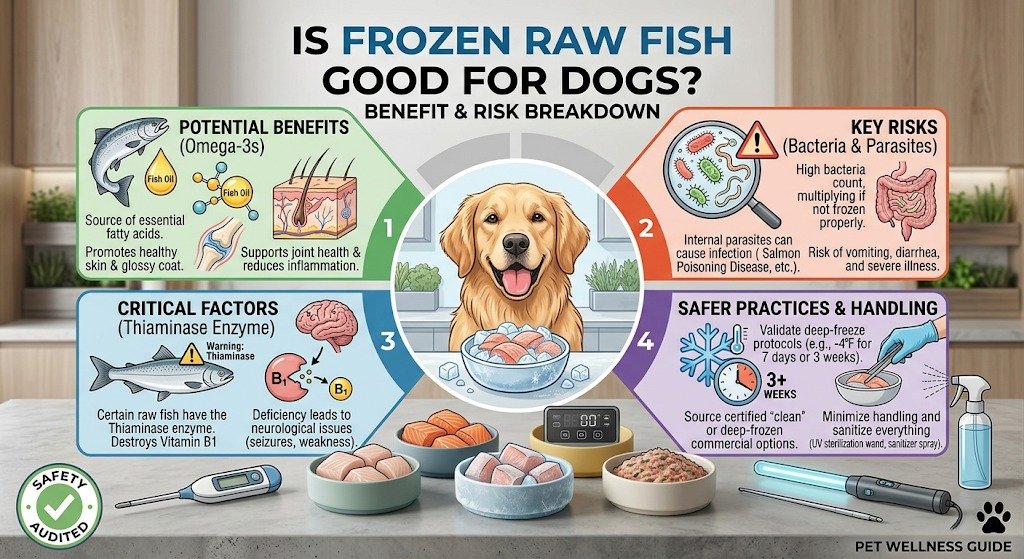
Fish species like wild salmon, Atlantic cod, sardines, and whitefish offer powerful therapeutic benefits:
-
Rich in Omega-3 Fatty Acids (EPA & DHA): Fish contains high concentrations of long-chain Omega-3 fatty acids, which reduce systemic joint inflammation, support mobility in senior dogs, and promote healthy brain function.
-
Skin and Coat Moisture: Omega-3s strengthen the skin barrier, reducing itching, hot spots, dry skin, and excessive shedding.
-
Hypoallergenic Alternative: Fish is a novel protein for many dogs, making it an excellent dietary choice for pets suffering from food sensitivities or environmental allergies.
2. Nutritional Strengths of Chicken for Dogs
Chicken breast and thigh meat remain the most widely used protein sources in commercial dog food:
-
Lean High-Protein Energy: Chicken provides an abundance of essential amino acids like glucosamine and chondroitin for lean muscle maintenance and tissue repair.
-
Highly Digestible and Palatable: Plain boiled chicken breast is exceptionally easy to digest, making it the preferred choice for bland recovery diets.
-
Affordability and Accessibility: Chicken is widely available and budget-friendly, allowing pet parents to feed high-quality protein without high costs.
Direct Comparison: Fish vs. Chicken for Dogs
To evaluate is fish better than chicken for dogs across specific health categories, review this comparison:
| Health Category | Fish Protein | Chicken Protein | Winner / Best Choice |
| Joint & Anti-Inflammatory Support | High Omega-3s (EPA/DHA) | Low natural Omega-3s | Fish |
| Skin & Coat Health | Reduces itching, boosts shine | Standard skin support | Fish |
| Food Allergy Management | Rarely causes allergic reactions | Common canine food allergen | Fish |
| Digestibility for Upset Stomach | Highly digestible (lean fish) | Ultra-digestible (boiled breast) | Chicken |
| Affordability & Daily Cost | Higher price point | Economical & widely available | Chicken |
| Muscle Building & Energy | Moderate to high protein | High lean protein density | Tie |
Allergies and Sensitivities: When Fish Outperforms Chicken
One major reason pet owners question is fish better than chicken for dogs is food allergies. Chicken is one of the most common protein allergens in dogs, along with beef and dairy.
Signs Your Dog May Be Sensitive to Chicken:
-
Chronic ear infections and red, inflamed paws.
-
Frequent scratching, biting, or licking at skin folds.
-
Gastrointestinal distress, gas, loose stools, or chronic vomiting.
If a dog develops an immune hypersensitivity to chicken proteins, switching to a fish-based diet eliminates the allergic trigger. Fish acts as a clean, hypoallergenic protein source that calms cutaneous inflammation and restores gut health.
When Chicken Is the Better Option for Your Dog
While fish offers impressive therapeutic benefits, chicken remains superior in specific scenarios:
-
Bland Diet Recovery: When a dog suffers from acute diarrhea or vomiting, plain boiled chicken breast combined with white rice offers the fastest digestive relief.
-
Budget-Friendly Feeding: For multi-dog households or large breeds requiring high daily caloric intake, chicken provides affordable, high-quality nutrition.
-
Picky Eaters: Chicken boasts high natural palatability, making it enticing for dogs with selective appetites.
Can You Rotate Between Fish and Chicken?
Yes, rotating between fish and chicken is an excellent feeding strategy for healthy dogs without food allergies. Protein rotation provides key benefits:
-
Prevents Food Boredom: Keeps mealtime exciting with varying textures and natural flavors.
-
Broadens Nutrient Profile: Delivers a balanced spectrum of amino acids, trace minerals, and essential fatty acids.
-
Reduces Allergy Development: Rotating proteins reduces the likelihood of developing late-onset food sensitivities.
Safety Guidelines When Serving Fish and Chicken
Whether serving fish or chicken, follow these essential preparation safety rules:
-
Cook Plain: Never use cooking oils, butter, salt, garlic, onion powder, or commercial spices.
-
Remove All Bones: Remove all poultry bones and small fish pin bones before serving to prevent choking or intestinal punctures.
-
Avoid Raw Supermarket Meat: Cook grocery meats thoroughly to eliminate bacterial threats like Salmonella, Listeria, and parasites.
Why Choose Dog Food Insider for Canine Feeding Advice?
At Dog Food Insider, we prioritize evidence-based canine nutrition and safety to help you protect your pet from preventable dietary hazards.
Before introducing raw or specialized protein diets, explore our complete guide on raw meat feeding for dogs to weigh all advantages against safety risks.
Looking for tailored dietary advice for your canine companion? Visit Dog Food Insider today to access expert nutrition calculators, feeding guides, and personalized advice to keep your dog thriving.







Leave a Reply