

A fully balanced raw dog food diet is a minimally processed meal plan made of fresh, whole-food ingredients that provides all the essential proteins, fats, vitamins, minerals, and amino acids a dog needs to stay healthy. Unlike simple raw muscle meat feeding, a balanced raw diet precisely mimics the complete nutrient profile of natural prey while meeting strict veterinary nutritional standards set by organizations like FEDIAF or AAFCO.
Many pet owners transitioning away from processed commercial kibble wonder what is fully balanced raw dog food and how it differs from informal homemade raw meals. Feeding raw without proper nutritional balance can lead to severe skeletal deformities, organ dysfunction, and long-term metabolic diseases. At Dog Food Insider, we utilize evidence-based veterinary science to help you understand complete raw nutrition for your pet.
Core Principles: What Is Fully Balanced Raw Dog Food?
When defining what is fully balanced raw dog food, veterinarians emphasize that raw feeding is not simply throwing an uncooked steak into a bowl. True biological balance requires an exact combination of four fundamental raw ingredient categories:
1. Muscle Meat (70% – 80%)
Muscle tissue serves as the main engine of a raw diet, supplying high-quality amino acids, taurine, and energy. Muscle meat includes lean cuts of beef, turkey, chicken, pork, lamb, alongside cardiac tissue (heart) and tongue.
2. Raw Edible Bones (10%)
Raw edible bones provide essential calcium, phosphorus, and trace minerals in the natural, bioavailable ratios required for bone and dental integrity. Safe options include soft, pliable bones such as chicken necks, turkey wings, or duck necks.
3. Secreting Organs (10%)
Organ tissues act as nature’s multivitamins. A balanced raw diet mandates:
-
5% Liver: Packed with concentrated Vitamin A, copper, and iron.
-
5% Other Secreting Organs: Kidney, spleen, pancreas, or thymus glands supplying B-complex vitamins, iodine, and essential enzymes.
4. Essential Suppliments & Botanical Fibers (0% – 10%)
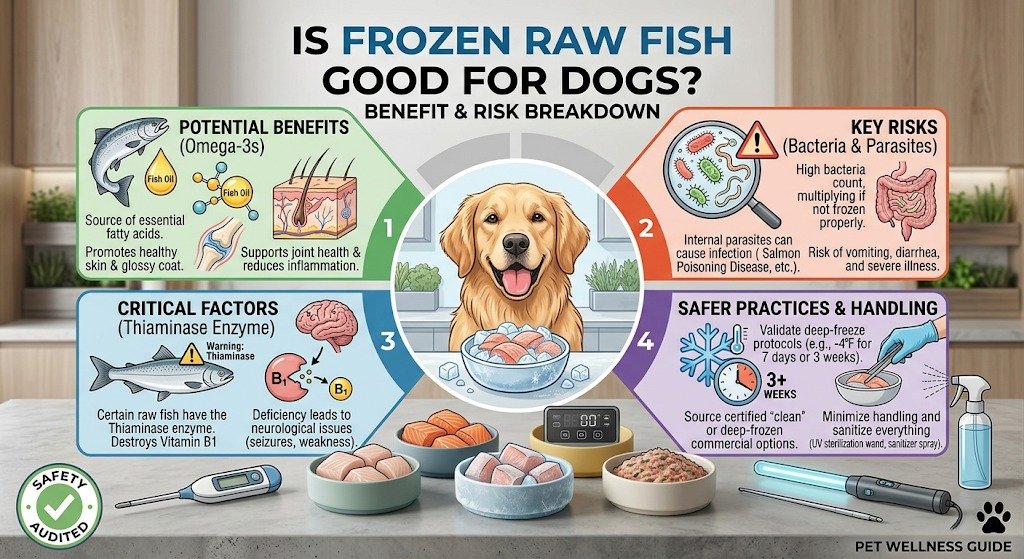
Depending on whether you follow a BARF or Prey Model framework, pureed low-glycemic vegetables, berries, kelp, and high-quality Omega-3 oils (such as wild salmon oil) are added to fill critical trace mineral gaps.
Popular Raw Models: BARF vs. Prey Model Raw (PMR)
Understanding what is fully balanced raw dog food involves exploring the two primary structural models recognized in canine nutrition:
1. The BARF Diet (Biologically Appropriate Raw Food)
Developed by Dr. Ian Billinghurst, the BARF model incorporates plant matter to simulate the stomach contents of wild prey:
-
70% Muscle Meat
-
10% Raw Edible Bone
-
5% Liver
-
5% Other Secreting Organs
-
7% Low-Glycemic Vegetables & Leafy Greens
-
2% Fruits & Seeds
-
1% Natural Oils & Trace Minerals
2. The PMR Diet (Prey Model Raw)
The PMR model strictly eliminates plant-based ingredients, attempting to recreate a whole, un-gutted prey animal exclusively from animal tissues:
-
80% Muscle Meat
-
10% Raw Edible Bone
-
5% Liver
-
5% Other Secreting Organs
Nutritional Breakdown: Key Minerals in Balanced Raw Diets
To understand why complete balance is crucial, evaluate the essential nutrient functions within a raw diet:
| Nutrient / Element | Source in Raw Diet | Primary Health Function in Dogs | Risks of Imbalance |
| Calcium & Phosphorus | Raw Edible Bones | Skeletal structure, nerve firing, heart health | Metabolic bone disease, fractures |
| Vitamin A | Raw Animal Liver | Immune function, vision, cell reproduction | Skin lesions, night blindness, organ failure |
| Omega-3 Fatty Acids | Wild Fish / Algae Oil | Systemic anti-inflammatory, coat health | Dry itching skin, joint inflammation |
| Iodine | Kelp / Glandular Tissue | Thyroid hormone production & metabolism | Hypothyroidism, hair loss, lethargy |
| Zinc & Copper | Secreting Organs / Beef | Coat pigmentation, skin barrier, immunity | Dull coat, skin lesions, anemia |
Commercial Balanced Raw vs. Homemade Raw
When asking what is fully balanced raw dog food, pet owners must weigh the differences between pre-made commercial raw foods and home-prepared raw meals:
1. Commercial Pre-Made Raw Foods
Commercially formulated raw diets (frozen patties, nuggets, or chubs) are produced in specialized food-grade facilities.
-
Guaranteed Analysis: Laboratory testing confirms each batch meets complete FEDIAF or AAFCO nutrient profiles.
-
Pathogen Control: Many commercial raw manufacturers utilize High-Pressure Processing (HPP) to neutralize Salmonella and E. coli while preserving raw nutrients.
-
Convenience: Eliminates complex kitchen calculations, weighing, and sourcing risks.
2. Homemade Raw Diets
Preparing raw diets at home offers total control over protein sourcing but requires meticulous attention to detail. Without guidance from a board-certified veterinary nutritionist, home-prepared raw diets frequently suffer from severe calcium, zinc, or Vitamin E deficiencies.
Key Health Benefits of a Balanced Raw Diet
When properly formulated, feeding a fully balanced raw food diet delivers noticeable health transformations:
-
Improved Dental Hygiene: Chewing raw edible bones scrapes away tartar and plaque, naturally reducing bad breath and gum inflammation.
-
Enhanced Digestion and Smaller Stools: Highly bioavailable whole-food ingredients are absorbed efficiently, resulting in firmer, smaller, and less odorous stools.
-
Healthy Skin and Lustrous Coat: High concentrations of natural essential fatty acids reduce itching, hot spots, and excessive shedding.
-
Lean Muscle Maintenance: Concentrated animal proteins support muscle tone, joint mobility, and healthy weight management.
Essential Safety and Handling Guidelines
Practicing strict hygiene prevents bacterial cross-contamination when handling raw pet food at home:
-
Thaw Safely: Always thaw frozen raw food inside your refrigerator, never at room temperature.
-
Dedicated Equipment: Maintain separate cutting boards, bowls, and scales specifically for raw pet prep.
-
Sanitize Thoroughly: Clean all prep surfaces and feeding dishes with hot, soapy water followed by a disinfectant bleach solution.
-
Wash Hands: Wash your hands with warm water and antibacterial soap for at least 20 seconds after feeding.
Why Choose Dog Food Insider for Canine Nutrition Guidance?
At Dog Food Insider, we prioritize science-backed canine nutrition and safety to help you make informed feeding decisions for your pet’s long-term health.
Before introducing raw or specialized protein diets, explore our complete guide on raw meat feeding for dogs to weigh all advantages against safety risks carefully.
Looking for expert canine nutrition guidance? Visit Dog Food Insider today to access feeding calculators, nutritional insights, and personalized advice to keep your dog thriving.






Leave a Reply