

The Labrador Retriever and Golden Retriever are widely considered the easiest and best dog breeds for families because of their friendly, patient, and eager-to-please temperaments. For households looking to welcome a furry companion without managing the intense behavioral quirks or high-strung guarding instincts of specialized working dogs, identifying an easy, adaptable breed is essential for long-term domestic harmony.
When prospective pet owners ask what is the easiest dog breed for a family to own, they need clear, evidence-based guidance rather than generalized myths. At Dog Food Insider, we follow veterinary behavior principles to help you select a canine companion that matches your family’s lifestyle and energy levels.
Top Contenders: What Is the Easiest Dog Breed for a Family to Own?
When evaluating what is the easiest dog breed for a family to own, canine experts look for breeds that combine high trainability, emotional stability, and a natural love for human companionship:
1. Labrador Retriever
Consistently ranking as one of the most popular family dogs worldwide, Labs are famously easy to love and manage.
-
Why They Are Easy: High intelligence, quick obedience training responsiveness, and an easygoing attitude toward children and strangers.
-
Considerations: High physical energy levels during puppyhood require dedicated daily play and exercise.
2. Golden Retriever
Golden Retrievers possess a gentle, forgiving demeanor that makes them exceptionally easy to integrate into busy family routines.
-
Why They Are Easy: Deeply intuitive, eager to please their human pack, and exceptionally patient during play with kids.
-
Considerations: Their lush double coats require regular brushing to manage seasonal shedding.
3. Cavalier King Charles Spaniel
For families seeking a smaller, low-impact companion, the Cavalier stands out as an effortless house pet.
-
Why They Are Easy: Adaptable to apartment or house living, highly affectionate, and content with moderate daily walks.
-
Considerations: Requires careful breeder screening due to predisposition toward specific hereditary heart conditions.
Key Characteristics of Easy Family Dog Breeds
When researching what is the easiest dog breed for a family to own, focus on these three core traits that simplify daily management:
-
High Emotional Resilience: Easy family dogs bounce back quickly from loud noises, dropped toys, or sudden toddler movements without showing fear or aggression.
-
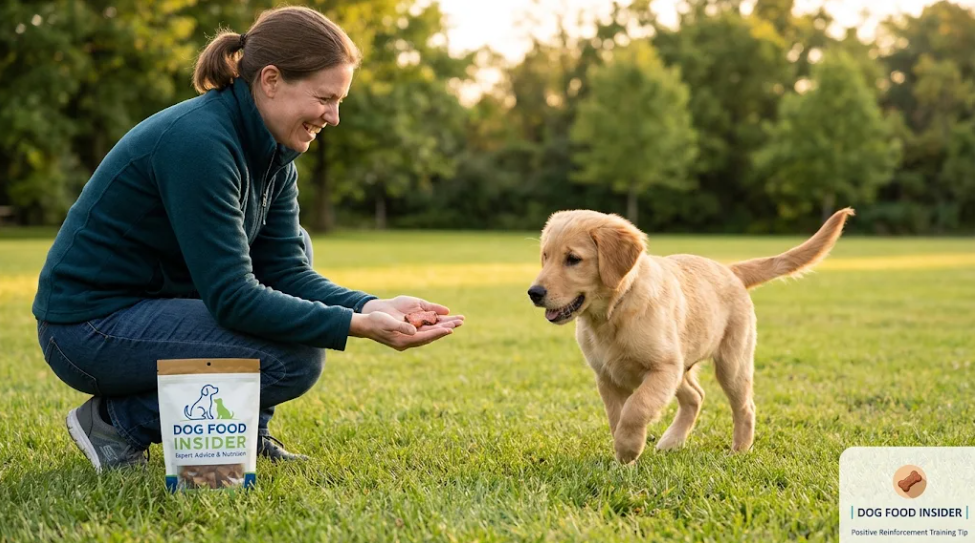
Motivated by Praise and Food: Breeds that are easy to train respond enthusiastically to positive reinforcement, making basic obedience simple for all family members.
-
Sociable Pack Mentality: They genuinely enjoy being part of family activities rather than isolating themselves or showing aloof territorial guarding.
Comparative Guide: Easy Family Dog Breeds
Review how top easy-going family breeds compare across essential household criteria:
| Breed Name | Ideal Home Environment | Training Ease | Grooming Needs | Family Suitability |
| Labrador Retriever | Houses with yards | Very High | Moderate | Exceptional |
| Golden Retriever | Active households | Very High | High | Exceptional |
| Cavalier King Charles | Apartments or homes | High | Moderate | Great |
Exploring Breeds and Finding the Ideal Match
While popular breeds make fantastic companions, exploring a wide variety of lineage traits helps ensure a perfect match. If you are researching specific purebred characteristics, explore our comprehensive breed database category to understand how different working, herding, and companion dogs behave in domestic settings.
For families seeking wonderful, gentle companions that naturally thrive in child-centric homes, review our expert recommendations in our detailed guide on top dog breeds for families. Conversely, understanding which animals to avoid in chaotic toddler homes is equally vital; review our analysis of the worst dog breeds for families with toddlers.
Practical Steps to Ensure Success with Your New Dog
Once you choose the easiest dog breed for your household, follow these steps to ensure a smooth transition:
-
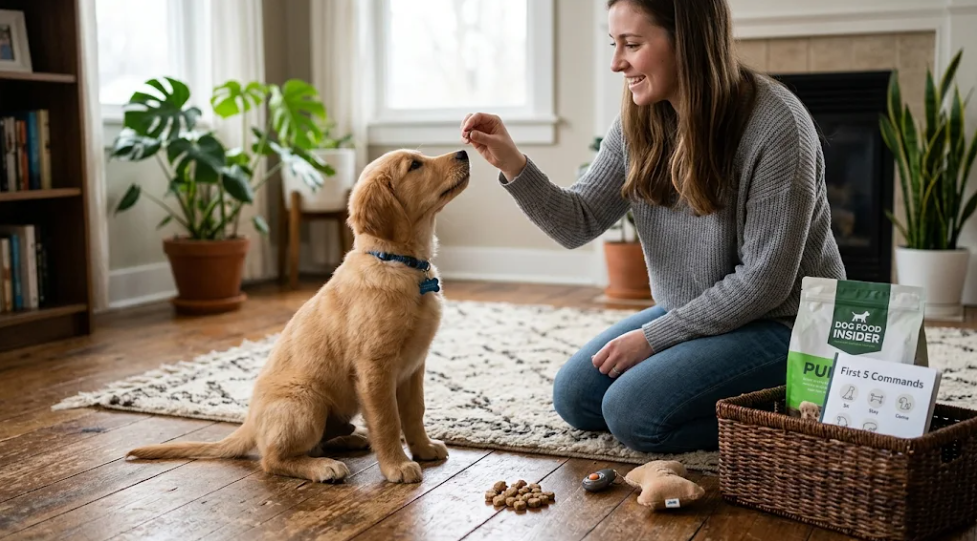
Establish Consistent Rules: Ensure every family member uses the same training commands and house rules to avoid confusing the dog.
-
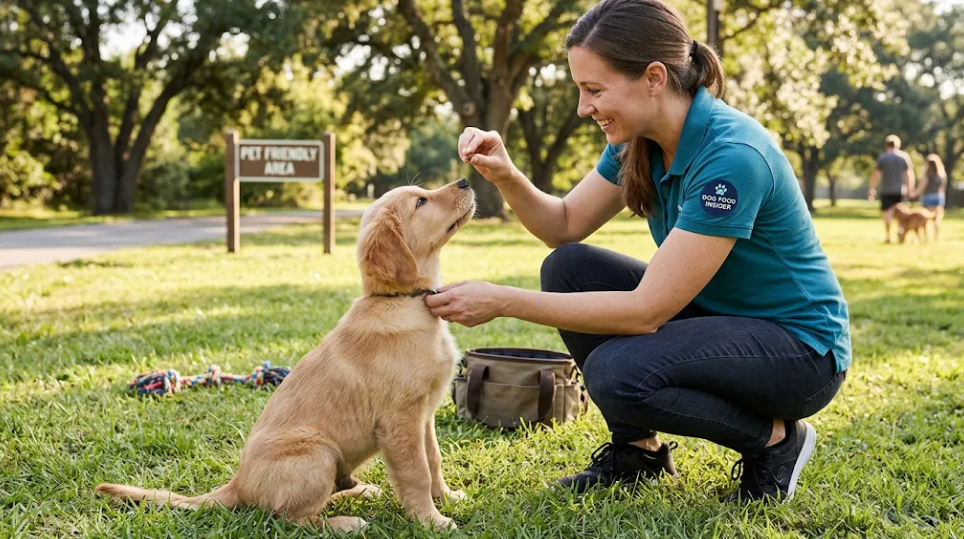
Prioritize Early Socialization: Expose your dog to positive new sights, sounds, and gentle handling during their crucial developmental window.
-
Provide Proper Nutrition: Providing balanced, species-appropriate meals is vital for long-term health. Before establishing your feeding routine, explore our guide on raw meat feeding for dogs to evaluate nutritional options.
Share Your Insights or Reach Out to Our Team
Do you have experience raising easy-going dog breeds alongside children? We welcome expert veterinary insights and guest contributions. If you are passionate about canine behavior and wellness, feel free to write for us and share your expertise with our growing community.
Have specific questions about family pet safety or nutrition? Contact us today to connect with our editorial team.
Why Choose Dog Food Insider for Canine Guidance?
At Dog Food Insider, we prioritize science-backed canine behavior and family safety to help you make informed decisions for your pet’s wellbeing.
Before introducing new pets into your household, explore our complete feeding guides to ensure your dog thrives throughout life. Looking for tailored guidance for your canine companion? Visit Dog Food Insider today to access expert nutrition calculators, behavioral insights, and personalized advice to keep your family thriving.











Leave a Reply