

Yes, you can mix wet and dry dog food together. Combining both formats is a popular feeding strategy that allows pet parents to provide the nutritional completeness of kibble with the enticing aroma, high moisture content, and rich flavor of wet food, making mealtime more appealing for dogs.
However, mixing wet and dry food requires a thoughtful approach to calorie management, portion control, and dental health. At Dog Food Insider, our canine nutrition experts evaluate dietary guidelines to help you combine these foods safely and effectively for your dog’s specific lifestyle and health needs.
Common Benefits of Mixing Wet and Dry Dog Food
Integrating both food types into your dog’s daily routine offers several distinct advantages:
-
Enhanced Palatability: Picky eaters, senior dogs with declining appetites, or dogs recovering from illness often respond enthusiastically to the savory scent and texture of mixed meals.
-
Increased Hydration: Wet food contains significantly more moisture than dry kibble, helping support daily water intake and urinary tract health.
-
Calorie and Weight Management: For dogs needing to lose weight, replacing a portion of calorie-dense kibble with lower-calorie, high-volume wet food can help them feel full while reducing overall calorie intake.
-
Convenience and Cost-Effectiveness: Dry kibble is generally more affordable and easier to store, while wet food adds variety and excitement when used as a topper.
The Nutritional Balancing Act: Why Portion Control Matters
You cannot simply scoop equal parts of wet and dry food without checking the calorie counts. Every commercial pet food has a specific calorie density (kilocalories per cup or per can). To prevent canine obesity, you must calculate your dog’s total daily caloric requirement and adjust the portion sizes of both the kibble and the wet food accordingly.
To ensure a balanced diet, pet parents should review comprehensive dog food nutritional guidelines to understand macronutrient breakdowns, protein bioavailability, and safe feeding ratios.
Potential Downsides and Considerations
While beneficial for many dogs, mixed feeding comes with a few trade-offs to keep in mind:
-
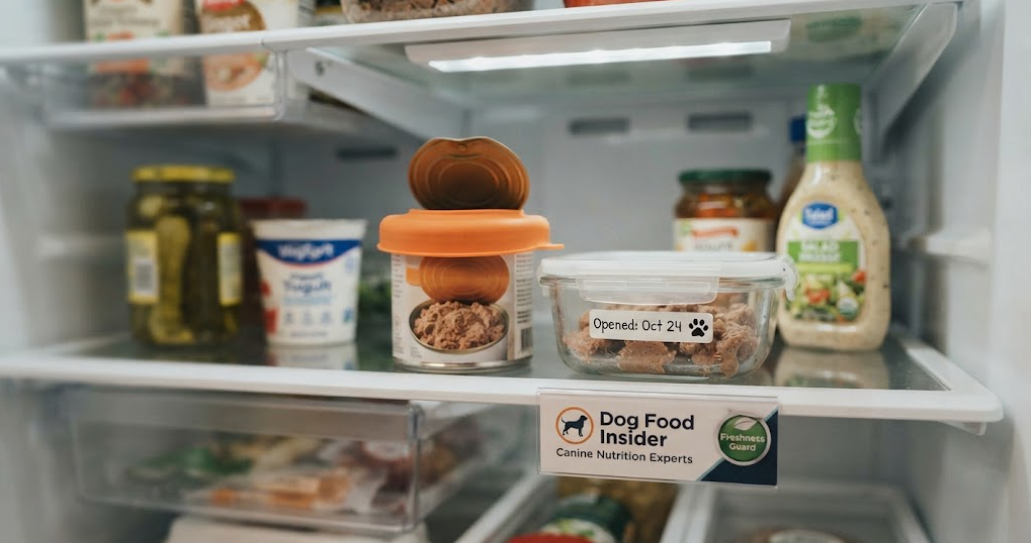
Shorter Shelf Life: Unlike dry kibble that can sit in a bowl all day, leftover wet food must be refrigerated promptly to prevent bacterial spoilage.
-
Dental Health Impact: While dry kibble provides a mild mechanical scraping action against plaque, wet food leaves behind softer residues. Regular dental hygiene practices remain essential.
-
Digestive Sensitivity: Rapidly switching between or combining new foods can cause stomach upset. Introducing mixed meals gradually allows your dog’s digestive system to adapt.
Why Trust Dog Food Insider for Your Canine Nutrition Guidance?
Navigating pet food labels, ingredient safety, and specialized dietary requirements can feel overwhelming. At Dog Food Insider, we prioritize evidence-based pet nutrition, transparent ingredient analysis, and expert dietary advice. Whether you are looking for the best dry dog food brands or comparing moisture and crude protein levels across formulas, we provide the in-depth insights you need to keep your dog healthy and thriving.
Looking to optimize your dog’s daily meal plan? Explore our expert canine diet guides and reviews today to make informed, confident choices for your pet’s health.















Leave a Reply