

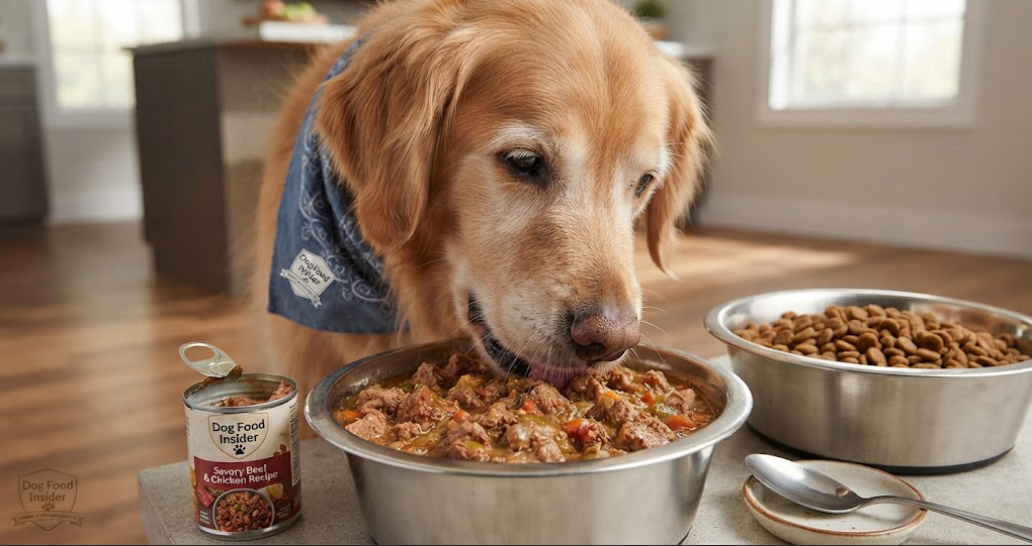
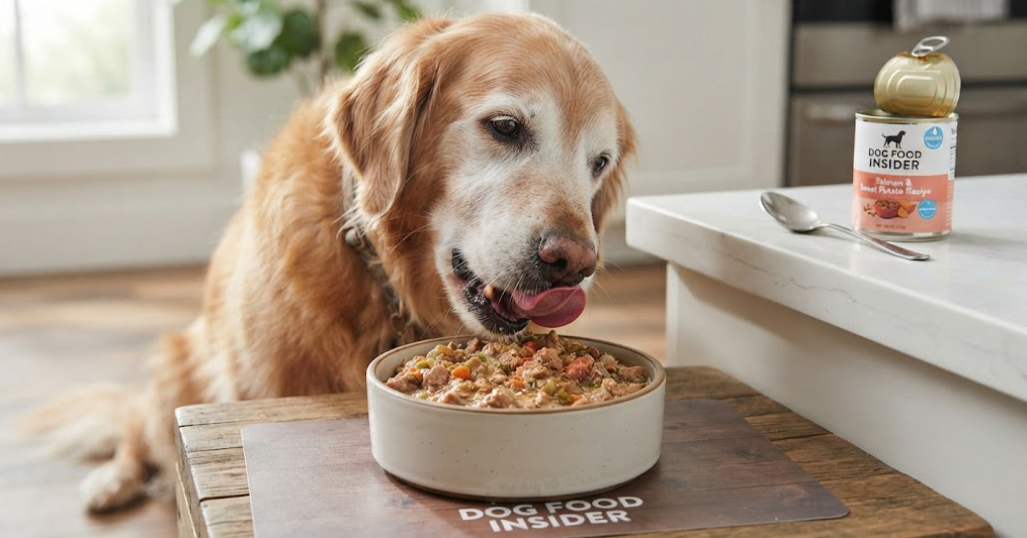
Yes, wet dog food can be an excellent choice for dogs with sensitive stomachs. While dry kibble works well for many pets, the higher moisture content, softer texture, and simpler ingredient processing of high-quality canned foods make them significantly easier to break down and digest. For dogs prone to vomiting, gas, or irregular stools, switching to a well-formulated wet diet often provides fast and noticeable relief.
However, not all wet diets are created equal. At Dog Food Insider, our editorial team follows rigorous nutritional science and veterinary guidelines to help pet parents choose formulas that soothe the gastrointestinal tract without sacrificing essential nutrients.
Why Wet Food Supports Sensitive Digestion
Wet dog foods frequently outperform dry kibble in digestive compatibility for several key reasons:
-
High Moisture Content: Ranging typically between 70% and 80% water, wet food keeps dogs hydrated and eases the mechanical strain on the upper digestive tract.
-
Softer Texture: Pre-softened food breaks down effortlessly in the stomach, reducing the time and energy required for gastric processing.
-
Simpler Ingredient Profiles: Many premium wet recipes use fewer synthetic additives and rely on limited, high-biological-value protein sources.
-
Palatability and Aroma: Dogs experiencing gastrointestinal distress often lose their appetite; the rich scent of wet food naturally encourages eating.
Common Digestive Conditions Benefited by Wet Food
Veterinarians frequently recommend incorporating wet nutrition or transitioning fully to canned diets when managing specific canine health issues:
-
Chronic Gastritis or Acid Reflux: High moisture helps dilute stomach acids, minimizing irritation and morning bilious vomiting.
-
Colitis and Irritable Bowel: Easily digestible proteins and lower starch loads reduce large-intestinal inflammation and firm up loose stools.
-
Senior Dental and Digestion Decline: Older dogs missing teeth or experiencing slow gastric motility find wet formulas much more manageable.
-
Post-Surgical Recovery: Following abdominal or dental procedures, soft, nutrient-dense foods ensure gentle gastrointestinal recovery.
The Evaluation Process: How to Choose the Right Formula
You should not switch your dog’s diet abruptly or base your decision solely on marketing claims. To prevent worsening gastrointestinal upset, responsible pet owners should evaluate potential options through:
-
Veterinary Consultation: Ruling out underlying systemic illnesses, parasites, or severe food allergies before changing diets.
-
Guaranteed Analysis Review: Inspecting crude protein, fat, fiber, and ash levels to ensure balanced nutrition tailored to your dog’s life stage.
-
Ingredient Transparency: Checking for single-source novel proteins (such as venison or duck) and easily digestible carbohydrates (like pumpkin or white rice) while avoiding artificial fillers.
Why Trust Dog Food Insider for Your Nutritional Decisions?
Navigating the pet food marketplace can feel overwhelming with conflicting marketing claims. Dog Food Insider prioritizes canine health and consumer transparency. We provide independent evaluations, deep-dive ingredient breakdowns, and expert-reviewed dietary guides to help you make confident choices. If your dog suffers from chronic digestive challenges, our resources can guide you toward the right therapeutic or everyday diet.
Looking for expert guidance on canine nutrition and safe ingredient lists? Explore our latest Dog Food Insider articles today. We offer evidence-based reviews and expert tips to help your canine companion live a healthier, happier life.










Leave a Reply