

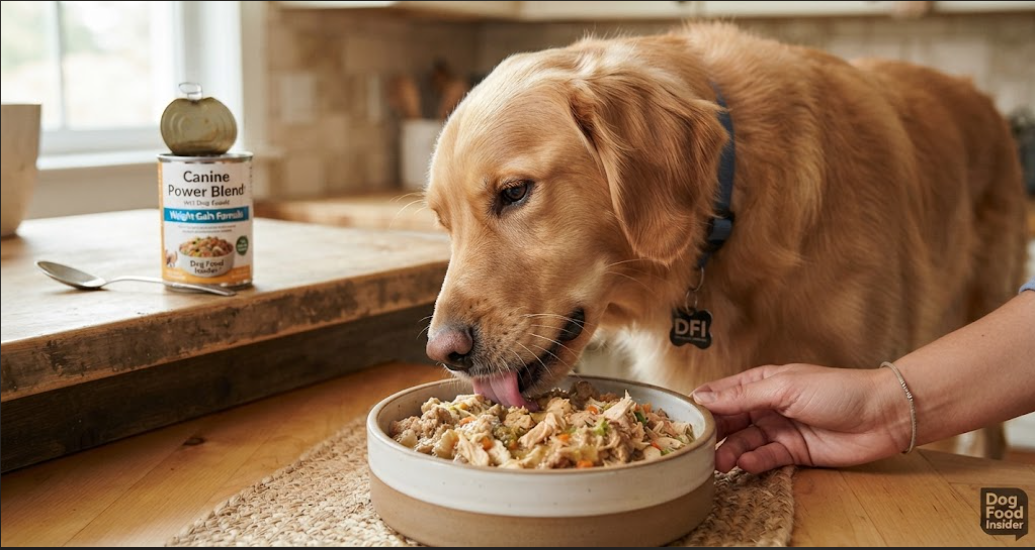
Yes, wet dog food can cause weight gain if it is fed in excessive quantities, but it does not inherently cause weight gain on its own. Weight regulation in dogs ultimately comes down to total daily caloric intake versus energy expenditure, regardless of whether you feed dry kibble, raw, or canned wet food.
However, wet dog food has several unique characteristics that can make overfeeding easier if pet owners aren’t careful. At Dog Food Insider, we emphasize that understanding your dog’s daily energy requirements and reading pet food labels accurately are the best ways to prevent unwanted weight gain.
Why Wet Dog Food Can Lead to Weight Gain
While canned food is often praised for its high moisture content and palatability, certain factors require careful portion management:
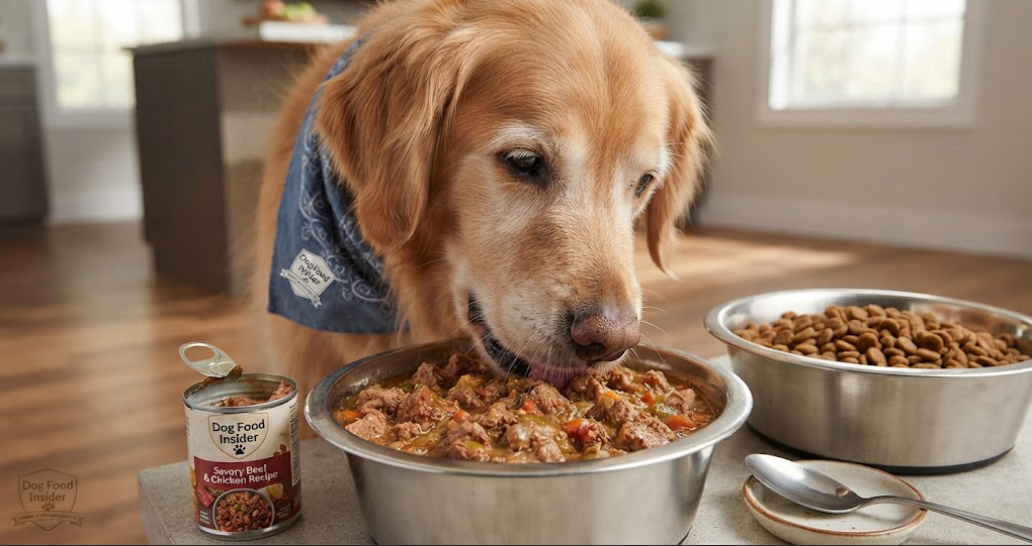
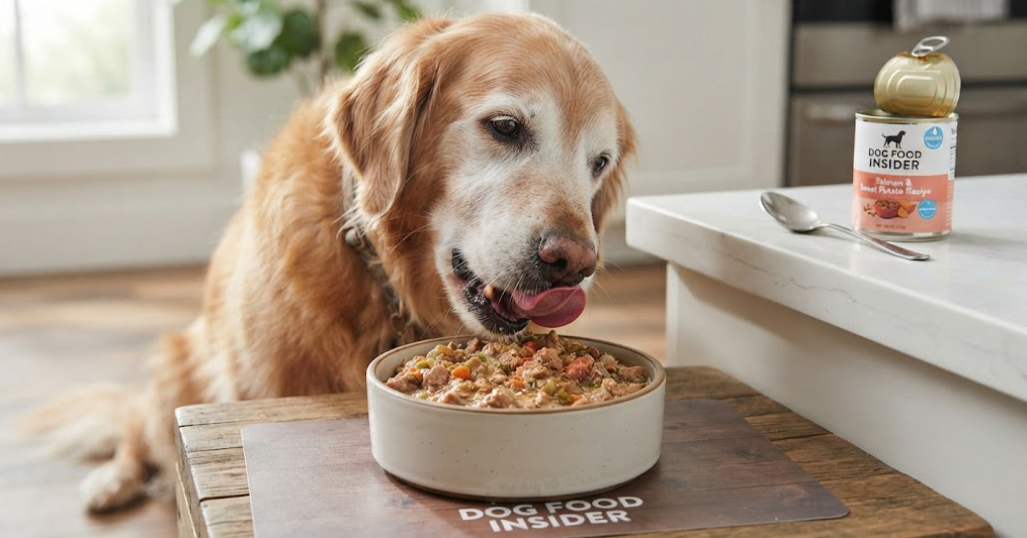
Higher Palatability: Wet food is typically much more enticing and aromatic to dogs than dry kibble, which can lead to overeating or begging behavior if meals aren’t strictly portioned.
Calorie Density Variations: Although wet food has lower calorie density per ounce than dry kibble (due to high water content), some premium or high-fat formulas are packed with rich animal proteins and fats that add up quickly.
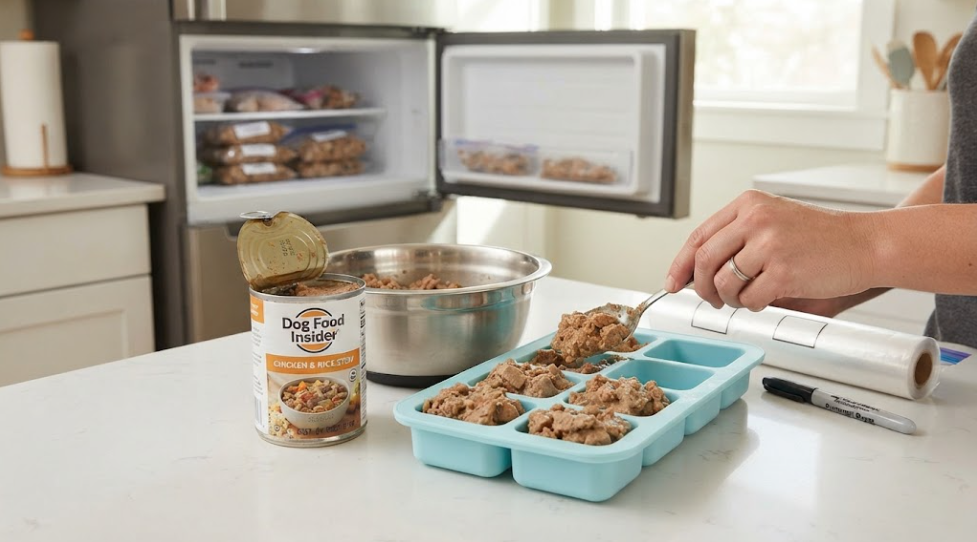
Inaccurate Measuring: Eyeballing portions or failing to use a measuring cup/scale can easily result in feeding too many calories per day.
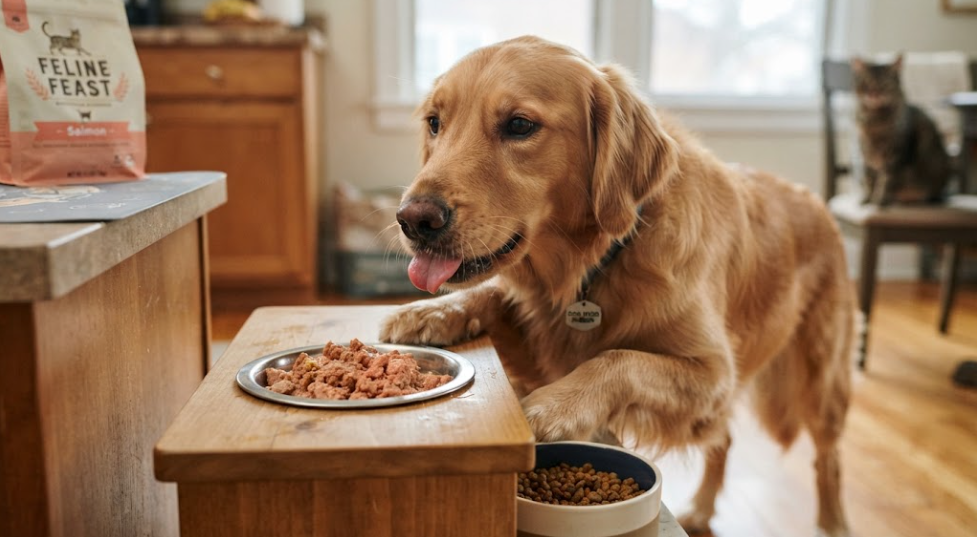
Treat and Topper Overload: Many owners use wet food as a food topper or mix-in without subtracting those extra calories from their dog’s main daily allowance.
How to Safely Feed Wet Food Without Weight Gain
Preventing canine obesity while feeding canned food requires a structured, evidence-based approach to nutrition:
Calculate Daily Calories: Determine your dog’s Resting Energy Requirement (RER) and adjust for their activity level, spay/neuter status, and life stage.
Follow Feeding Guidelines Closely: Use the feeding chart on your preferred dog food brand as a baseline, but monitor your dog’s body condition score (BCS) rather than relying solely on the chart.
Account for Mix-Ins: If you use wet food as a kibble topper, reduce the corresponding amount of dry food to maintain a neutral energy balance.
Incorporate Regular Weigh-Ins: Regularly check your dog’s weight and body condition feeling for ribs without excess fat cover—to catch any upward trends early.
Why Proper Nutrition Management Matters with Dog Food Insider
Navigating canine diets can feel overwhelming with so many conflicting opinions online. Dog Food Insider is dedicated to providing transparent, science-backed pet food reviews, ingredient analysis, and dietary guidance to help you make informed choices for your dog’s health. Whether you are balancing meals or looking for expert canine nutrition advice, we provide the reliable insights you need to keep your dog at an optimal weight.
Looking for the right diet for your dog? Explore Dog Food Insider today for expert reviews, nutritional breakdowns, and practical feeding tips to help your pet live a longer, healthier life.









Leave a Reply