

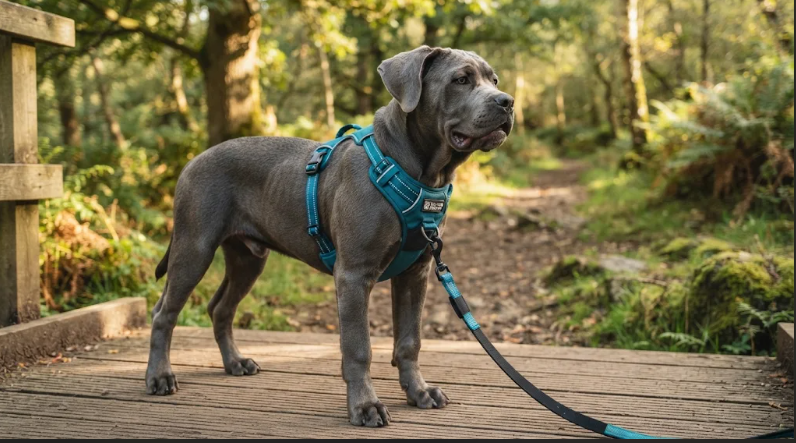
At 3 months (12 weeks) of age, a healthy male Cane Corso puppy typically weighs between 28 and 40 lbs. (12.7 to 18 kg), while a healthy female typically weighs between 24 and 35 lbs. (11 to 16 kg). Because individual bloodlines, bone density, and litter size influence early growth rates, some purebred puppies may sit slightly above or below these averages while remaining completely healthy.
However, scale weight alone does not tell the full story of giant-breed development. At Dog Food Insider, our canine nutrition research emphasizes steady, lean growth rather than rapid weight gain to protect developing joints and prevent orthopedic stress.
Key Factors That Influence a 3-Month-Old Cane Corso’s Weight
Several biological and environmental variables determine where your puppy falls on the Cane Corso puppy growth chart:
-
Biological Sex: Males naturally develop heavier bone structure and muscle mass early on, typically weighing 4 to 6 lbs. more than females from the same litter by 12 weeks.
-
Bloodline and Genetics: Traditional Italian working lines and larger American show lines often track toward the upper end of the weight spectrum (35 to 45 lbs. for males), whereas leaner athletic lines grow at a more moderate pace.
-
Large-Breed Puppy Nutrition: Feeding a balanced large-breed puppy food with controlled calcium-to-phosphorus ratios and moderate calories prevents premature skeletal growth.
-
Litter Size and Weaning Transition: Puppies from smaller litters often have higher birth weights and maintain a slight size advantage through their third month.
-
Parasite Control: Intestinal worms can silently steal nutrients and stall weight gain, making routine deworming essential during the first 12 weeks.
Assessing Healthy Growth: What to Check Beyond the Scale
You cannot judge a giant-breed puppy’s health solely by comparing numbers on a chart. To ensure your 3-month-old is growing at a safe, proportionate rate, evaluate their healthy puppy weight using these physical checks:
-
The Rib Test: You should be able to easily feel your puppy’s ribs beneath a thin layer of fat without pressing hard, though the ribs should not visibly protrude.
-
Overhead Waist Check: Looking down from above, your puppy should have a noticeable hourglass tuck behind the ribcage rather than a round, barrel-shaped torso.
-
Joint and Paw Alignment: Watch for straight, sturdy pasterns (wrists) and effortless movement; excess weight at 12 weeks puts unnecessary strain on soft growth plates.
Why Follow Dog Food Insider for Your Cane Corso’s Nutrition?
While generic weight charts only give you broad numbers, Dog Food Insider provides science-backed feeding guides tailored specifically to giant breeds. We break down exact daily calorie targets, portion sizes, and ingredient standards so you can fuel steady muscle and bone development without risking obesity or joint issues.
Want to make sure your puppy is getting the right nutrients for their exact weight and age? Explore Dog Food Insider today for expert feeding calculators, breed-specific diet reviews, and practical puppy care guides.








Leave a Reply