
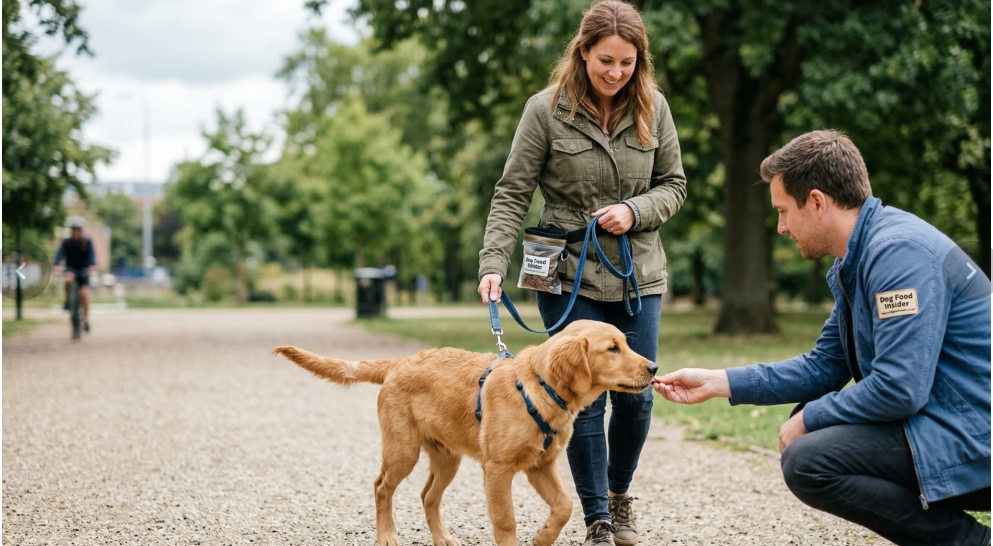
Yes, 20 weeks is not too late to socialize a puppy, but it requires significantly more patience, careful planning, and positive, controlled exposure because the prime developmental socialization window has already begun to close.
However, socialization is an ongoing behavioral process rather than a rigid, hard-stop deadline. At Dog Food Insider, our canine behavioral guidelines emphasize that older puppies and adolescent dogs can still learn to accept new environments, people, and stimuli with the right counter-conditioning approach.
Common Behavioral Challenges of Late Puppy Socialization
Late socialization frequently presents distinct hurdles that require structured management. Facilities, trainers, and pet parents often address:
-
Fear of Novel Stimuli: Adolescents at 20 weeks old exhibit greater wariness toward unfamiliar sounds, objects, and people compared to younger puppies.
-
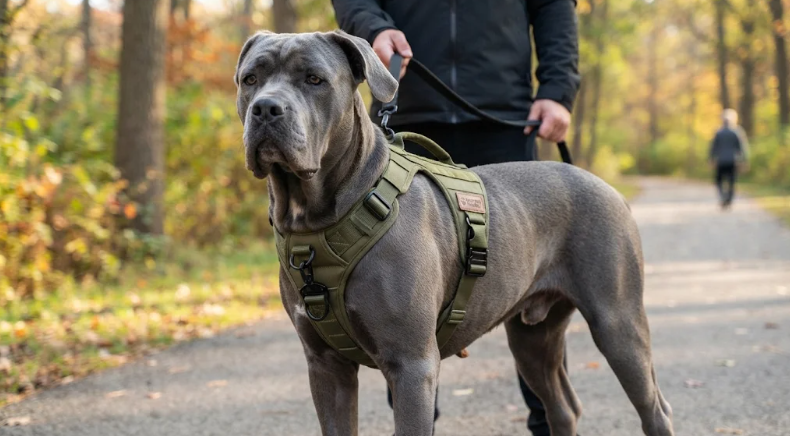
Leash Reactivity and Frustration: Excitement or anxiety on a leash can manifest quickly if the puppy feels constrained while encountering new experiences.
-
Environmental Sensitivity: Urban or high-traffic environments can easily overwhelm a puppy that missed early desensitization milestones.
-
Slower Adaptation Curves: New experiences take longer to process, requiring multiple low-intensity sessions rather than rapid exposure.
-
Habituation Resistance: Deeply ingrained responses to specific triggers may take weeks of consistent positive reinforcement to modify.
The Rehabilitation Process: Why a Methodical Approach is Required
You cannot rush a 20-week-old puppy through overwhelming environments without risking fear-based aggression or trauma. To prevent setbacks, our canine care team at comprehensive puppy development articles recommends applying:
-
Systematic Desensitization: Exposing your puppy to sights, sounds, and surfaces at a distance where they remain calm, slowly decreasing distance over time.
-
High-Value Positive Reinforcement: Pairing every new, neutral, or slightly intimidating encounter with exceptional rewards (such as high-value treats or play) to build positive emotional associations.
-
Professional Behavioral Assessment: Working with certified trainers or veterinary behaviorists to identify specific fear triggers and tailor a custom desensitization plan.
Why Trust Dog Food Insider for Your Canine Care Journey?
While many general pet blogs offer broad advice, expert canine care guides prioritizes science-backed training methods, transparent breed health insights, and actionable owner education. We provide verified, expert-vetted resources to ensure you get the right strategies for your specific dog training challenges. If your puppy’s behavioral needs are complex or involve severe fear aggression, we can help you understand the foundational steps and refer you to certified local specialists.
Need proven advice for raising a confident, well-adjusted dog?
Explore our latest canine health and training insights today. We offer expert-backed articles and practical guides to help your puppy thrive at every life stage.







Leave a Reply